Golden Temples, Island Beaches and Street Food
Thailand is a kingdom in Southeast Asia, famed for its gilded temples, tropical islands, lively street food and a warm, smiling hospitality often summed up as the land of smiles. From the capital, Bangkok, the country reaches north to the mountains and ancient kingdoms around Chiang Mai, and south to the Andaman Sea and the Gulf of Thailand, where beaches and limestone islands line the coast. The result is a country that suits first-time travellers, honeymooners, families and culture seekers equally, with an excellent range of stays from heritage guesthouses to beachfront resorts.
History is easy to explore. Ayutthaya and Sukhothai, the former capitals, were both inscribed by UNESCO in 1991 and offer ruined temples and towering stone Buddhas set among lawns and lakes. Chiang Mai, in the north, is the centre of Lanna culture, with its walled old town, hundreds of temples and craft villages, while the festival of Loy Krathong, when floating lanterns and lights fill the rivers, is among the most beautiful sights of the year. Travellers who love Asia often pair this journey with Bangkok as a gateway and Singapore as a stopover.
Phuket, Krabi and the Andaman Coast
Thailand's coastline is its signature. On the Andaman side, Phuket is the largest island and a long-established beach destination, with bays such as Kata, Karon and Kamala, and a historic old town of Sino-Portuguese shophouses. Krabi, further east, is known for limestone cliffs, the beaches of Railay and Ao Nang, and boat trips to island clusters such as the Phi Phi Islands. In the Gulf, Koh Samui, Koh Phangan and Koh Tao offer a different, palm-fringed atmosphere, with diving and relaxed beach clubs.
Thai cuisine is a draw in itself, a balance of sweet, sour, salty and spicy. Tom yum soup, green curry, pad thai, som tam salad and mango with sticky rice are signature dishes, and cooking classes in Bangkok and Chiang Mai are among the most popular activities. Songkran, the Thai new year, arrives in mid-April with water festivals nationwide. For a hotel group, Thailand's variety of price points and settings is a major strength, and neighbouring the Philippines and Japan pair well on a longer Asian itinerary.
Best Months and the Journey from the UK
The cool, dry season from November to February is the most popular time for most of the country, with sunny days and gentle humidity, and the Andaman coast is at its best from about November to April. The Gulf islands, including Koh Samui, enjoy good weather for longer, often through to September. The green months bring fewer visitors, lush landscapes and good-value stays, and northern Thailand is particularly beautiful after the rains. Planning a trip around the festival calendar, such as Songkran and Loy Krathong, adds a layer of colour.
Thailand is well served from the UK, with direct flights from London to Bangkok taking around 11 to 12 hours, and onward domestic connections to Phuket, Krabi, Chiang Mai and Koh Samui. A name like VisitThailand.co.uk gives airlines and hotels a single home for the whole Thai story. Many travellers combine Thailand with the Maldives or India, or make a stop in Dubai on the way, which turns a long-haul flight into the first chapter of the holiday.
Where to Stay from Chiang Mai to Koh Samui
Thailand offers a stay for every traveller. In Bangkok, riverside heritage hotels suit culture seekers, while Chiang Mai's old town and the Nimman district offer boutique guesthouses and hillside lodges among rice fields. Chiang Rai adds quiet retreats near the White Temple. On Phuket, Kata and Karon are family favourites, Surin and Bang Tao lean towards luxury villas, and the old town has shophouse boutiques. Krabi's Railay is the climbers' beach, Khao Lak is calm and perfect for divers heading to the Similan Islands, and Koh Lanta has relaxed, family-sized resorts with long, shallow beaches.
In the Gulf, Koh Samui has varied corners: Chaweng for lively beach days, Bophut's Fisherman's Village for boutique charm and Lamai for relaxed family stays, with private pool villas on the hillsides. Koh Tao is for divers and Koh Phangan for yoga and wellness retreats. Hua Hin, the royal seaside resort south-west of Bangkok, is popular with golfers and families who want an easy drive from the capital. Spa retreats, ethical elephant sanctuaries, eco-lodges and heritage homestays add further styles. A airline can use this variety to build twin-centre packages, such as city and beach or mountains and islands, in one booking.
Khao Soi, Silk and Thailand's Festival Calendar
Beyond the famous classics, Thailand's regional dishes reward curiosity. Khao soi, a coconut curry noodle soup topped with crisp noodles, is the signature dish of the north, while larb, a zesty minced-meat salad, is beloved in the north-east, and gaeng hung lay, a mild pork curry, shows Burmese influence. Boat noodles, moo ping skewers, massaman curry and fresh seafood from the south round out the choices. Thai iced tea, coconut water and fruit shakes cool the day. Markets sell mangosteens, rambutans and durian, and street vendors grill bananas and bake coconut pancakes, giving food lovers endless discoveries.
Craft and festivals fill the year. Chiang Mai's Bo Sang village makes handpainted umbrellas, the north is known for hand-woven silk and silverwork, and celadon pottery and Thai massage are ancient arts. Yi Peng, the lantern festival in Chiang Mai, lifts thousands of glowing lanterns into the night sky in November, while the Flower Festival in February parades floral floats. Phuket's Vegetarian Festival in the autumn is a colourful spectacle, and Chinese New Year fills Phuket Old Town and Bangkok's Yaowarat with lanterns. The cool season suits the north, the Andaman coast shines in winter, and the green season offers lush rice terraces and quiet waterfalls.
Diving, Golf and Jungle Days Out
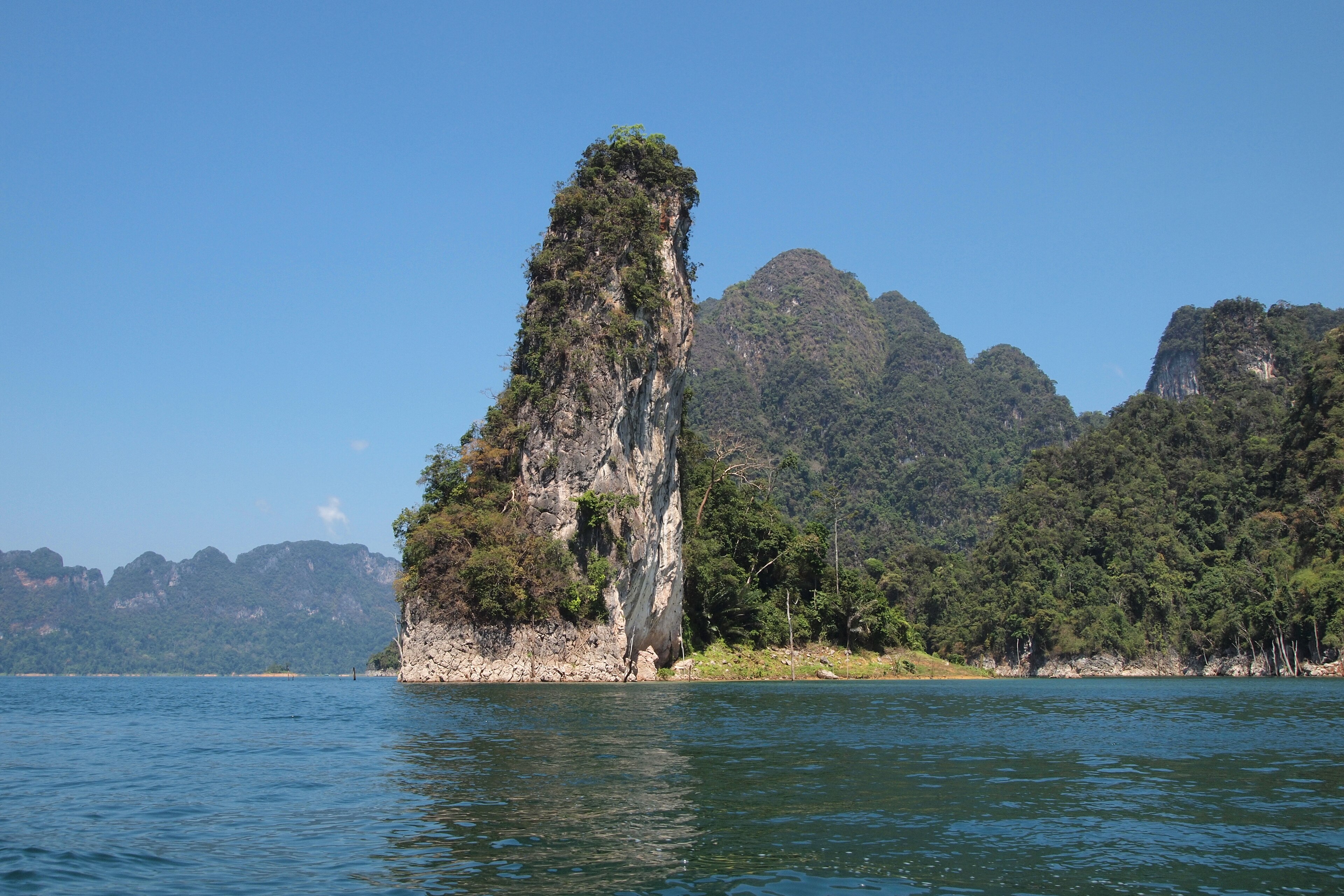
Thailand is made for active holidays. Divers head to the Similan Islands from November to May and to Koh Tao for courses, while sea kayakers paddle between the limestone towers of Phang Nga Bay and the island park of Ang Thong from Koh Samui. Golfers find championship courses in Hua Hin, Phuket and Chiang Mai, and cyclists enjoy the lanes around Sukhothai's ruins and the hills near Chiang Mai. Doi Inthanon, the country's highest peak, offers cool mountain walks and waterfalls, and Khao Sok National Park has ancient rainforest and floating bungalows on Cheow Lan Lake.
Day trips add depth to any base. From Phuket and Krabi, boat tours reach Phang Nga Bay and island groups, and from Chiang Mai, visitors can reach Doi Suthep temple, the Chiang Rai temples and hill-tribe villages. Cooking classes, spa days and ethical elephant sanctuary visits suit rainy days. A themed stay, such as wellness in Samui, diving in Khao Lak or culture in the north, is easy to build, and these combine easily with simple domestic flights. Thailand also pairs with Seoul, Osaka or Australia, and connects through Doha or Abu Dhabi from the UK.
Planning your stay
Most Thailand holidays that disappoint were booked on the wrong sea. The Andaman coast, home to Phuket, Krabi and Koh Lanta, is at its best from November to April and gets the heaviest rain from May to October. The Gulf coast, home to Koh Samui, Koh Phangan and Koh Tao, runs on a different cycle: it is drier through much of the first half of the year, with its wettest weather arriving from October into December.
That split means there is almost always a beach in Thailand with decent weather. December to February is the cool, dry season everywhere and the most expensive, with the north pleasantly cool in the evenings. March to May is hot, often well above 35 degrees inland, and suits people who plan around the sea. June to October is the green season: cheaper, quieter and showery rather than constant, though not every month is equal.
Entry rules for UK passport holders
From 15 September 2026, UK visitors entering under the visa exemption scheme can stay for up to 30 days for tourism only, and entry on that basis is normally limited to two times per calendar year. If you entered before that date you are usually allowed the period granted on arrival. Business activity, including attending conferences, is not covered, so check the rules if your trip has any work in it.
Your passport needs at least six months of validity from the day you arrive and one blank page. Everyone entering by air, land or sea must also complete the Thailand Digital Arrival Card online, within three days before arrival. Officers can ask for proof of onward or return travel and funds of at least 10,000 baht per person, and British travellers have been refused entry for lacking that evidence.
Getting there from the UK
Direct flights from London to Bangkok take roughly 11 to 12 hours, and the usual alternative is a single change at a Gulf, Turkish or European hub, which adds time but often lowers the fare. Because Thailand is six or seven hours ahead of the UK depending on the clocks, the first day tends to be lost to sleep. Plan a soft landing in Bangkok instead of a 4 am island transfer.
Airlines that fly this route benefit from reaching travellers while they are still choosing between Phuket and Samui, which is the point of our airline partnerships. Internal flights are cheap and frequent, and the overnight trains and sleeper buses to the north are worth considering if you like to see the country between stops.
Where to base yourself
Start with Bangkok for two or three nights: the temples, the river, street food and a hotel pool are the best recovery from the flight. From there most visitors choose one of three shapes. The north, around Chiang Mai and Chiang Rai, suits culture, markets, elephant sanctuaries run to proper welfare standards and cooler mountain air. The Andaman coast suits dramatic limestone scenery and diving. The Gulf islands suit a slower, more relaxed beach holiday.
For a short boat trip from the Andaman coast, the Phi Phi Islands are the famous choice and are best visited early or late in the day, because day trippers arrive in waves. Families tend to prefer large resort areas with easy medical access, while couples often choose smaller islands where the boat timetable decides the pace.
Before you travel
Entry requirements and official travel guidance are updated regularly, so check the latest position with your government before booking. The sources we used are listed at the foot of this page.
Combining Thailand with the rest of the region
Thailand pairs naturally with its neighbours. A stop in Singapore on the way home works well on a long itinerary, while travellers with more time sometimes add the Philippines for a second island holiday. Our destination guides cover the surrounding region so you can compare options before you commit.
For hotels, the principle is the same as everywhere on our network: a clear, accurate listing is easier for travellers and for AI assistants to recommend, which is why VisitThailand.co.uk supports hotel partners and tourist boards with a verified knowledge base rather than a generic brochure page.
Questions travellers ask about Thailand
What is the best month to visit Thailand?
November to February is the most reliable for the whole country, with the cool, dry season and the best sea conditions on the Andaman coast. If you want Koh Samui, aim for the first half of the year. The cheapest months are in the green season, from June to October, with a higher chance of rain and disruption.
How long is the flight from the UK to Thailand?
A direct flight from London to Bangkok takes roughly 11 to 12 hours. One stop via a Gulf, Turkish or European hub usually takes 14 to 18 hours in total. Thailand is seven hours ahead of the UK in winter and six in summer, so allow a day to adjust before any island transfer.
What is Thailand best known for?
Thailand is best known for its golden temples, bustling Bangkok, tropical beaches in Phuket, Krabi and the Gulf islands, northern culture in Chiang Mai and its celebrated cuisine, including tom yum, green curry and pad thai.
When is the best time to visit Thailand?
November to February is the most popular time, with dry, sunny weather across most regions. The Andaman coast is at its best from November to April, while the Gulf islands such as Koh Samui enjoy good weather for longer.
Where should couples stay in Thailand?
Couples love Phuket's private-pool villas, Koh Samui's Bophut and hillside retreats, Krabi's Railay and the boutique guesthouses of Chiang Mai. Khao Lak and Koh Lanta offer quieter, romantic settings, and riverside heritage hotels in Bangkok suit city breaks.
What should I do in Thailand during the green season?
The green season suits Chiang Mai's mountains, cooking classes, spa days, temples and waterfalls, and the Gulf islands such as Koh Samui often stay sunny. Lush rice terraces, quiet beaches and good-value stays make it a rewarding time to visit.
In the Visit Travel Group portfolio: VisitThailand.co.uk.