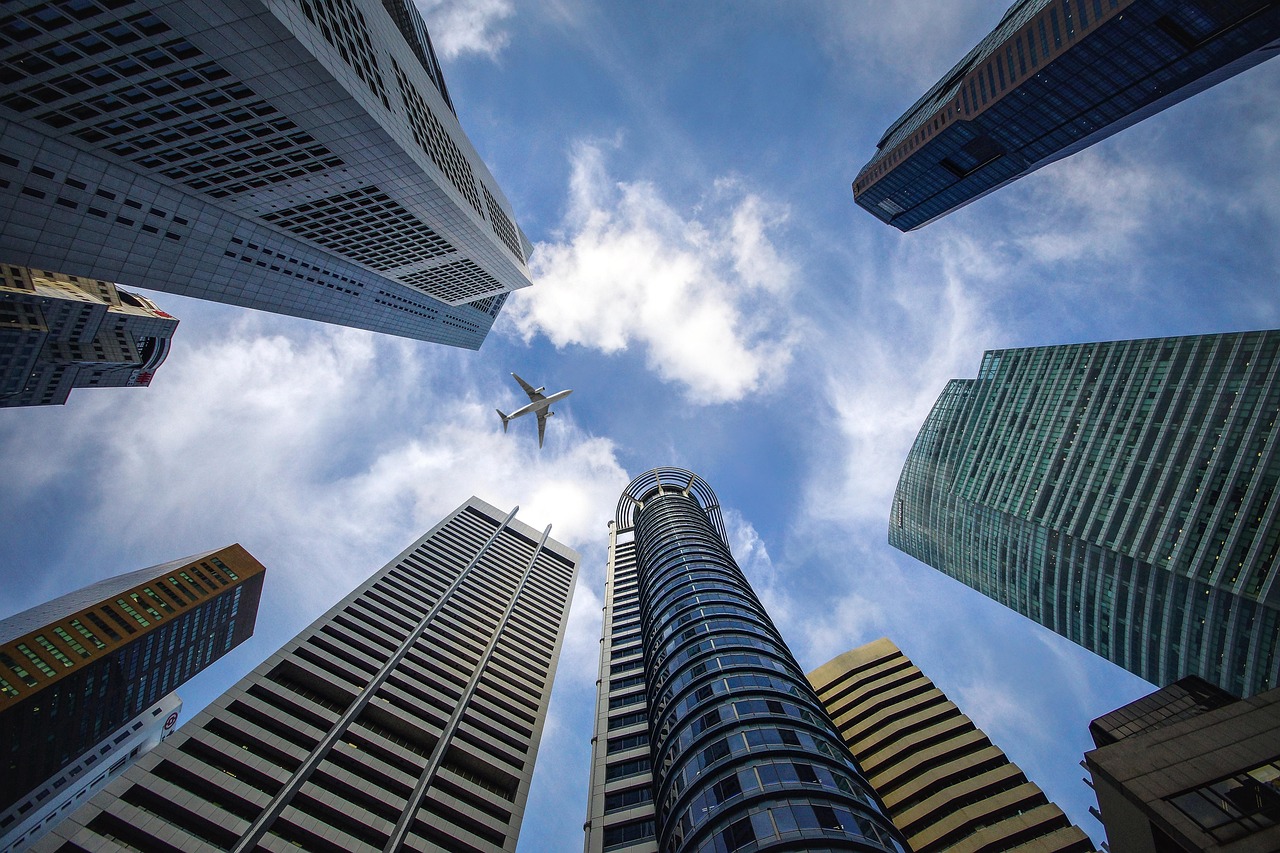
A Garden City of Supertrees and Skylines
Singapore is an island city-state at the southern tip of the Malay Peninsula, known for its futuristic skyline, lush green spaces, multicultural neighbourhoods and some of the best food in Asia. It became an independent republic in 1965 and has since grown into one of the world's leading business and aviation hubs, yet remains remarkably green. Gardens by the Bay, with its towering Supertrees and glass conservatories, and the Singapore Botanic Gardens, inscribed by UNESCO in 2015, show how nature and design sit side by side. Few cities are as easy to explore, with an efficient metro and walkable districts.
Marina Bay is the postcard view, a waterfront ringed by the Marina Bay Sands hotel, the Merlion statue and the ArtScience Museum, with a nightly light show over the water. Heritage is never far away: the Raffles Hotel, which opened in 1887, is a colonial landmark, and the districts of Chinatown, Little India and Kampong Glam each have their own temples, mosques and flavours. Travellers often pair the city with Thailand and Bangkok, or add the beaches of Phi Phi for a relaxed finish.
Hawker Centres, Chilli Crab and Sentosa
Food is Singapore's great unifier. Hawker culture, recognised by UNESCO on its intangible heritage list in 2020, means that Hainanese chicken rice, laksa, char kway teow and satay can be enjoyed at open-air food centres for a few dollars, right beside Michelin-recognised restaurants. Chilli crab, the national favourite, is best eaten with fried buns to mop up the sauce, and kaya toast with soft-boiled eggs is the classic breakfast. Tea, coffee and tropical juices complete the table, and the Peranakan cuisine of the Katong area adds a distinctive, colourful cooking style.
Beyond the table, Singapore is a place for families and curious travellers. Sentosa island offers beaches, golf and attractions, the Singapore Zoo and its Night Safari draw wildlife lovers, and Pulau Ubin gives a glimpse of rural life by bicycle. Hotels range from heritage addresses to riverside boutiques, and a airline building a long-haul route finds in Singapore a natural star, as its Changi Airport is itself a destination with gardens and a butterfly habitat. Onward, Shanghai and Japan are an easy flight away.
Year-Round Sunshine and Direct Flights
Singapore sits close to the equator, so the climate is warm and green all year, with brief tropical showers that keep the gardens lush. February to April is often the driest and sunniest period, and the city's calendar is full of events, from the Chinese New Year light-ups in Chinatown to the Singapore Grand Prix night race in autumn and the Great Singapore Sale season in summer. Air-conditioned malls, covered walkways and river cruises mean the city is enjoyable whatever the weather, and evenings by the bay are always a highlight.
Direct flights from London to Singapore take around 13 hours, and Changi is among the world's best-connected airports, with onward services across Asia, Australia and beyond. A name like YourSingapore.co.uk gives hotels and airlines one confident home for the story. Many UK travellers use Singapore as a stopover on the way to Australia or the beaches of the Maldives, and a night or two in the city is often long enough to fall in love with it.
Marina Bay Towers, Shophouse Boutiques and Sentosa
Singapore is compact, so every stay is close to the action. Marina Bay and the downtown core are the luxury and skyline address, with high-rise hotels, rooftop pools and views over the Gardens by the Bay. Orchard Road is the shopping boulevard, with large hotels beside the malls, while Chinatown and Tanjong Pagar offer converted shophouse boutiques among temples and cafes. Kampong Glam and Little India suit design lovers and food explorers, and Clarke Quay and Robertson Quay place guests by the river with restaurants on the doorstep. Katong and the East Coast have a relaxed Peranakan seaside feel and beach parks.
Sentosa is the family and resort option, with beachfront hotels, golf, attractions and a short monorail or cable-car ride to the mainland. Sentosa Cove adds marina villas and quiet waterfront apartments. Travellers on a stopover often choose Changi's airport hotels or a Marina Bay night, with Jewel Changi's indoor waterfall just beside the terminals. Heritage seekers can pick colonial-era hotels and conservation shophouses, and design lovers will find boutique towers. A tourist board can use this range to show how a short stay in Singapore can be a beach break, a food trip or a city escape, depending on the traveller.
Peranakan Flavours, Festivals and Kopi Culture
Beyond chilli crab, Singapore's food culture is a feast of small dishes. Roti prata, a crisp flatbread with curry, bak kut teh, a peppery pork rib soup, nasi lemak, coconut rice with sambal, and Hokkien mee, a wok-fried noodle dish, are favourites at every hawker centre. Ice kachang, a mountain of shaved ice with syrup and sweet corn, cools the afternoons. Kopi, local coffee sweetened with condensed milk, and teh tarik, pulled milk tea, are daily rituals at kopitiam coffee shops. Peranakan cooking, with its spice pastes and coconut, is also celebrated, and the colourful beaded slippers and porcelain of the culture are lovely keepsakes.
Culture is in the museums and the calendar. The National Gallery Singapore, in the former City Hall and Supreme Court, holds South-East Asian art, the Asian Civilisations Museum explores the region's trade, and the Peranakan Museum tells the story of the community. The Esplanade stages concerts through the year. Thaipusam fills Little India's streets in January or February, Hari Raya lights up Geylang Serai, Deepavali lights glow in Little India, and Chinatown's lanterns mark the Mid-Autumn Festival. Orchard Road glitters at Christmas, the Night Festival lights up the museum district in late summer and food festivals appear in July. February to April is usually sunniest.
Rainforest Walks, Island Cycling and Night Safari
Singapore is an unexpectedly green playground. The Southern Ridges trail, with the curving Henderson Waves bridge, links parks across forested hills, while the MacRitchie treetop walk and Bukit Timah Nature Reserve bring rainforest within a short ride of the city. Pulau Ubin is ideal for cycling past mangroves, kayaking trips leave from the east coast, and St John's Island offers quiet beaches. The Night Safari, the River Wonders aquarium and Jewel Changi's Rain Vortex suit families, and golfers can play on Sentosa. Wellness travellers will find spas, yoga studios and rooftop pools, and cyclists enjoy the park connectors that thread through the island.
Day trips and add-ons are easy. Bintan and Batam, reached by ferry in under an hour or two, offer beach resorts and golf, Johor Bahru in Malaysia is an easy hop across the causeway, and Malacca makes an overnight heritage trip. A stay can be built around themes, such as food, family, nature or design, and most visitors find three or four nights is a good length. Singapore pairs neatly with the Philippines, Seoul or Osaka on an Asian loop, and with Dubai or Abu Dhabi as a long-haul connection from the UK, giving a smooth start to a longer holiday.
Planning your stay
Singapore packs a great deal into a small area. Marina Bay has the skyline and the gardens, Chinatown, Little India and Kampong Glam have temples, markets and food, hawker centres serve cheap meals, and Sentosa offers beaches and attractions. The metro is efficient, so most visitors do not need a car.
It is a natural stopover on the way to Thailand, Bangkok, the Phi Phi Islands or the Philippines, and is often a two to four night stay.
When to go
Singapore is hot and humid throughout the year, so there is no bad season, but rain falls frequently and heavy downpours can appear at short notice. Pack light clothing and a small umbrella, and plan outdoor sightseeing for mornings and evenings, with museums and malls for the middle of the day.
British Airways flies non-stop from London in about 12 hours 45 minutes, and the city is one of Asia's main connecting hubs for onward travel, which makes it a practical way to break a long journey.
Changi Airport is connected to the city by metro and taxis, so arrival is straightforward, and many hotels will hold luggage for stopover guests. If you are staying only a night or two, base yourself near Marina Bay or along a metro line, and complete your arrival card before you leave the UK so that you are not filling it in at the gate.
Entry rules and forms
The Foreign, Commonwealth and Development Office says your passport must have an expiry date six months after you arrive. You can visit without a visa for tourism or business, and the immigration officer decides the period, normally between 30 and 90 days for British citizens.
Biometric details, including iris, face and fingerprints, are recorded when you arrive and depart.
Before you travel
Entry requirements and official travel guidance are updated regularly, so check the latest position with your government before booking. The sources we used are listed at the foot of this page.
Why Singapore matters to the industry
Singapore is a major aviation hub and a high-spend city break, where travellers want clear answers on entry forms and local laws. With YourSingapore.co.uk, an airline, hotel group or tourist board can set out arrival card steps and local rules in plain English, and our AI platform hands them to travellers planning a stopover.
Browse our destination guides, or see our OTA page on how booking platforms use destination content.
Questions travellers ask about Singapore
Do UK citizens need a visa for Singapore?
No visa is needed for tourism or business. The stay is at the immigration officer's discretion, normally 30 to 90 days for British citizens. You must complete the SG Arrival Card in the three days before you arrive.
What is Singapore best known for?
Singapore is best known for Marina Bay Sands, Gardens by the Bay and its Supertrees, hawker centres, chilli crab and Hainanese chicken rice, heritage districts such as Chinatown and Little India, and Changi Airport, one of the world's most admired.
How long is the flight from the UK to Singapore?
Direct flights from London to Singapore take around 13 hours. As Changi is a major hub, many travellers use a short stay in the city as a stopover on the way to Australia, Bali or other parts of Asia.
Where should families stay in Singapore?
Sentosa suits families who want beaches, attractions and resort pools, while Marina Bay and Orchard Road offer easy access to Gardens by the Bay, the zoo and the metro. Many families split a stay between the two.
What should I do in Singapore on a rainy day?
Visit the National Gallery, the Asian Civilisations Museum, Jewel Changi or the aquarium, try a hawker centre, or explore covered walkways and malls. Showers are short, and the gardens and rainforest look their best after the rain.
In the Visit Travel Group portfolio: YourSingapore.co.uk.