Palaces, Hanok Lanes and a River City
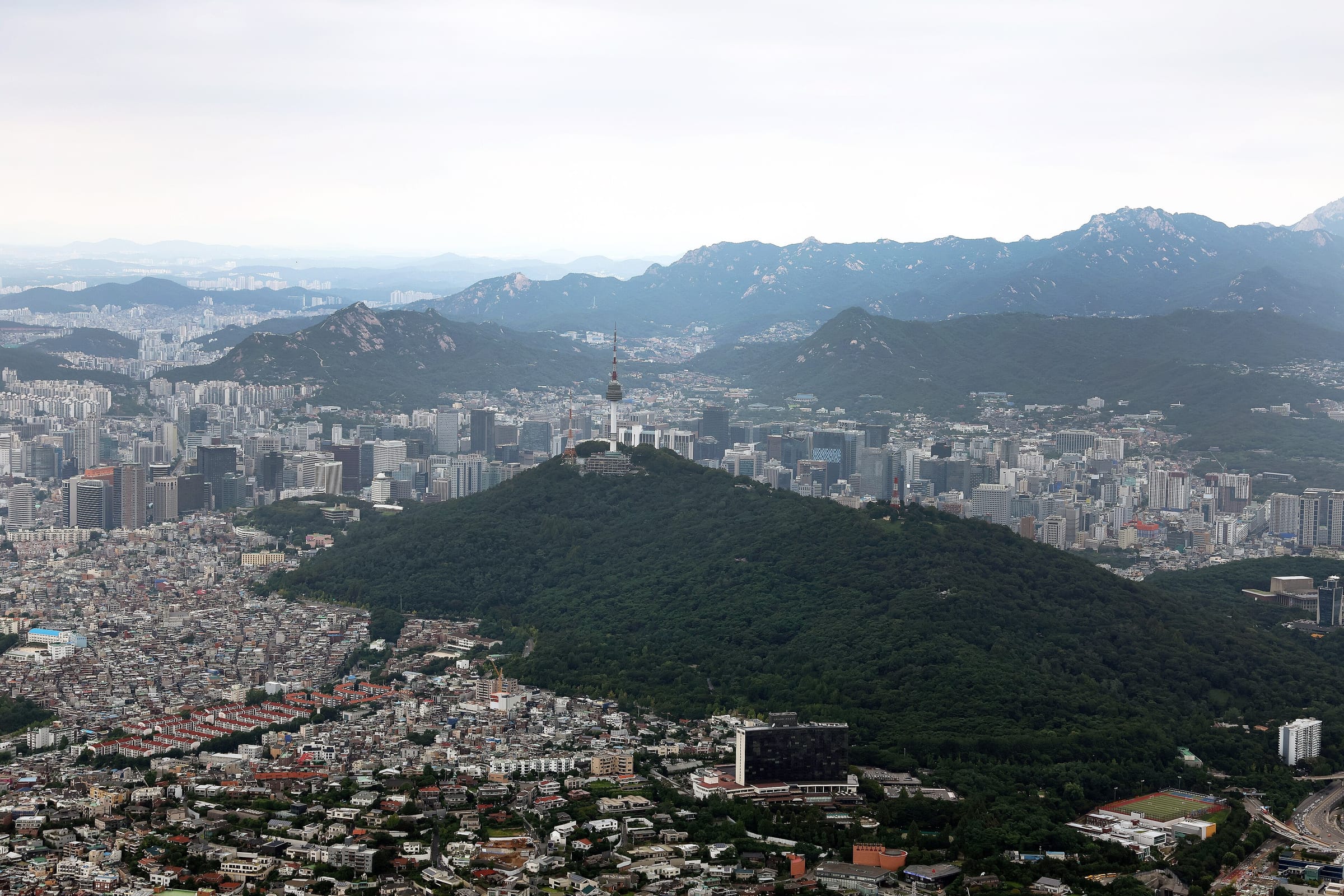
Seoul is the capital of South Korea, a river city of royal palaces, mountain trails, design-led districts and a food scene admired across Asia and beyond. It has been the capital for more than six centuries, since the Joseon dynasty chose it in 1394, and the Han River divides the historic north from the modern south. The skyline moves from palace roofs to glass towers within a few metro stops, and the mountains of Bukhansan and Namsan rise within the city, so a hike with a skyline view is never far from a coffee shop or a spa.
Gyeongbokgung, the grand palace dating from 1395, is the symbol of the city, with a changing-of-the-guard ceremony at the main gate. Nearby, Changdeokgung Palace and its Secret Garden were inscribed by UNESCO in 1997, and Jongmyo Shrine in 1995. The Bukchon Hanok Village, with its traditional tiled-roof houses, rewards a morning walk. Travellers who love Asian capitals often continue to Japan and Osaka, or to Shanghai, for a compelling multi-city route.
Kimchi, Korean Barbecue and Midnight Markets
Food is a highlight. Korean barbecue, grilled at the table with lettuce wraps and banchan side dishes, is a social ritual, while bibimbap, kimchi stew, tteokbokki in fiery red sauce and fried chicken round out the menu. Gwangjang Market, one of the oldest markets in the city, is loved for mung bean pancakes and knife-cut noodles, and Myeongdong's evening street stalls offer snacks and skincare in one stroll. Traditional teahouses in Insadong serve herbal teas with sweets, and coffee culture has made the city's cafes a pleasure in their own right.
Culture ranges from the ancient to the cutting-edge. Dongdaemun Design Plaza, shaped by the architect Zaha Hadid, is a sweeping landmark for exhibitions and fashion, while Hongdae and Gangnam capture the creative energy of K-pop, K-drama and youth culture. Visitors can try a jjimjilbang, a traditional Korean spa, stay in a hanok guesthouse or join a templestay near the city. A hotel group has plenty to show here, from design hotels to palace-view suites, and Bangkok and Singapore link easily by direct flights.
Cherry Blossom, Autumn Colour and Incheon
Spring and autumn are the best seasons. Cherry blossom arrives in early April, lining the Yeouido riverside and the palace lanes in pink, while autumn colours in October and November turn the mountains and palace gardens gold and red. Winter days are crisp and clear, with ski resorts a short journey from the city, and summers are lively, with festivals along the Han River. The city's metro is clean and straightforward, and a short ride reaches almost any highlight, which makes Seoul a natural choice for first-time visitors to Asia.
Incheon International Airport, one of the world's most admired hubs, is linked to the city centre by an express train, and direct flights from London take around 11 hours. A name like VisitSeoul.co.uk offers partners one confident home for the story. With high-speed rail to Busan and a gateway to the island of Jeju, Seoul is an easy base for a wider Korean journey, and Shenzhen and China make a natural continuation for travellers heading further across Asia.
Hanok Guesthouses, Gangnam Towers and Hongdae
Seoul's districts offer many different stays. Bukchon, Insadong and Jongno, near the palaces, have hanok guesthouses with heated floors, paper doors and courtyard gardens, ideal for couples and culture seekers who want to sleep inside the old city. Myeongdong is the shopping and skincare heart, with big hotels and easy metro links, while Itaewon and Hannam suit international travellers and food lovers. Gangnam and Cheongdam offer luxury towers, design stores and spas, and Yeouido has riverfront hotels beside the cherry-blossom park and Han River picnic lawns. Seongsu has converted factories and cafes, loved by design fans and photographers.
Hongdae, near the universities, is the choice for music lovers and younger travellers, with guesthouses, live venues and late-night cafes. Dongdaemun offers convenient hotels near the design plaza and night markets, and families often choose Jamsil for the theme park, aquarium and lakeside promenade. Temple stays on the city's edge offer meditation and vegetarian meals, and jjimjilbang spa hotels give a distinctly Korean way to relax. Styles range from heritage hanok to glossy business towers, and a airline can pair a city stay with Jeju or Busan add-ons. Seoul combines well with Thailand or the Philippines for a warm-weather second stop.
Hanbok, Hallyu and Seoul's Four Seasons
Seoul's food and culture are both generous. Bulgogi, marinated beef, samgyeopsal, grilled pork belly, japchae, glass noodles with vegetables, and naengmyeon, cold buckwheat noodles, are all joys, while hotteok, a sweet filled pancake, and bingsu, shaved ice with fruit and red bean, are favourite treats. Yuja citron tea and omija tea are served in traditional teahouses, and the city's cafes are a culture of their own. Craft traditions include hanji paper, celadon pottery and hanbok, the traditional dress, which visitors can rent and wear to the palaces, where the photographs are delightful.
The cultural calendar is full. The National Museum of Korea is one of Asia's great museums, Jogyesa Temple hosts the Lotus Lantern Festival for Buddha's birthday in May, and the Seoul Lantern Festival lights the Cheonggyecheon stream in autumn. Spring brings blossoms along Yeouido, summer brings green mountains and riverside festivals, autumn paints the palace gardens gold, and winter brings snow, skating and cosy teahouses. Chuseok and Seollal, the harvest and new-year holidays, bring family traditions and festive foods. K-pop concerts, musicals and K-drama locations draw fans all year, and the city's galleries and design markets suit rainy days.
Fortress Walls, Ski Slopes and Island Escapes
Seoul is a surprisingly outdoorsy city. The Seoul City Wall trail climbs over Bugaksan, Naksan and Namsan with skyline views, and Bukhansan National Park offers granite peaks and temple paths within the metro area. Cyclists enjoy the long Han River paths, picnickers gather by the water with takeaway chicken, and Namsan Tower glows over the evening city. Families can visit Lotte World's theme park and the grand parks, and wellness lovers can book spa days. Winter skiers can reach resorts in Gangwon province in a couple of hours, and the coast near Gangneung has beaches, cafes and sunrise viewpoints.
Day trips are rewarding. Suwon's Hwaseong Fortress, inscribed by UNESCO in 1997, is under an hour away, and Nami Island and the lakes of Chuncheon make a scenic outing. Gyeongju, the ancient Silla capital with Bulguksa Temple, is inscribed by UNESCO and reached by high-speed rail. Busan is about two and a half hours by KTX, and Jeju is a short flight for beaches, Hallasan hiking and tangerine groves. A stay can be built around palaces, food, wellness or K-culture. Seoul links easily with Osaka, Australia or Hawaii on a longer trip, and with Dubai as a stopover on the way from the UK.
Planning your stay
Seoul is easiest to enjoy by neighbourhood. Jongno and Bukchon hold the royal palaces and traditional houses, Myeongdong is the shopping and street food district, Hongdae is the student and nightlife area, Itaewon and Hannam have international restaurants, and Gangnam is the business and shopping district south of the Han River. The metro is extensive, clean and signed in English.
Many UK visitors combine Seoul with Osaka and wider Japan, or with Shanghai, Shenzhen and China, because flights between these cities are short and frequent. Day trips to the DMZ and to mountain temples are popular, and need a guided tour for the border zone.
When to go
Spring, from around April to May, and autumn, from around September to November, are the most comfortable seasons, with mild days and clear skies, and they are also the busiest. Summer is hot, humid and wet, and winter is cold and dry, so pack layers and a warm coat if you travel in January or February.
Non-stop flying time from London is roughly 11 to 12 hours, so check your airline's schedule.
Entry rules and the K-ETA
The Foreign, Commonwealth and Development Office says that for a tourist stay of up to 90 days your passport must have an expiry date after the date you leave South Korea. You can enter for up to 90 days for short-term business or tourism, and you must have an onward or return ticket.
Check the notice before you travel, because the exemption has an end date.
Before you travel
Entry requirements and official travel guidance are updated regularly, so check the latest position with your government before booking. The sources we used are listed at the foot of this page.
Why Seoul matters to the industry
Seoul is one of Asia's strongest city-break and culture markets, with travellers who research details closely. On VisitSeoul.co.uk, an airline, hotel group or tourist board could explain the K-ETA exemption dates and neighbourhood choices, and our AI platform would pass that on to travellers before they book.
Compare other East Asian city breaks in our destination guides, or read how booking platforms reuse such pages on the OTA page.
Questions travellers ask about Seoul
Do UK citizens need a visa for South Korea?
No, for up to 90 days of short-term business or tourism. You must have an onward or return ticket, and your passport must be valid beyond the date you leave.
What is Seoul best known for?
Seoul is best known for its royal palaces such as Gyeongbokgung, the traditional Bukchon Hanok Village, Korean barbecue and street food, K-pop and K-drama culture, and the contrast between historic districts and modern, design-led neighbourhoods.
When is the best time to visit Seoul?
Spring and autumn are the most popular seasons, with cherry blossom in early April and golden foliage in October and November. Both bring comfortable days for palace visits, mountain walks and evenings in the city's markets.
Where should I stay in Seoul for the first time?
Bukchon, Insadong and Myeongdong are popular for first visits, with palaces, shopping and metro links close by. Hanok guesthouses offer a traditional stay, while Gangnam and Yeouido suit travellers who prefer modern towers and riverside views.
What should I do in Seoul on a rainy day?
Visit the National Museum of Korea, the Dongdaemun Design Plaza or a gallery, try a jjimjilbang spa, browse Gwangjang Market or relax in a teahouse in Insadong. Seoul's covered shopping streets and cafes make wet days easy.
In the Visit Travel Group portfolio: VisitSeoul.co.uk.