A Country Large Enough for Many Journeys
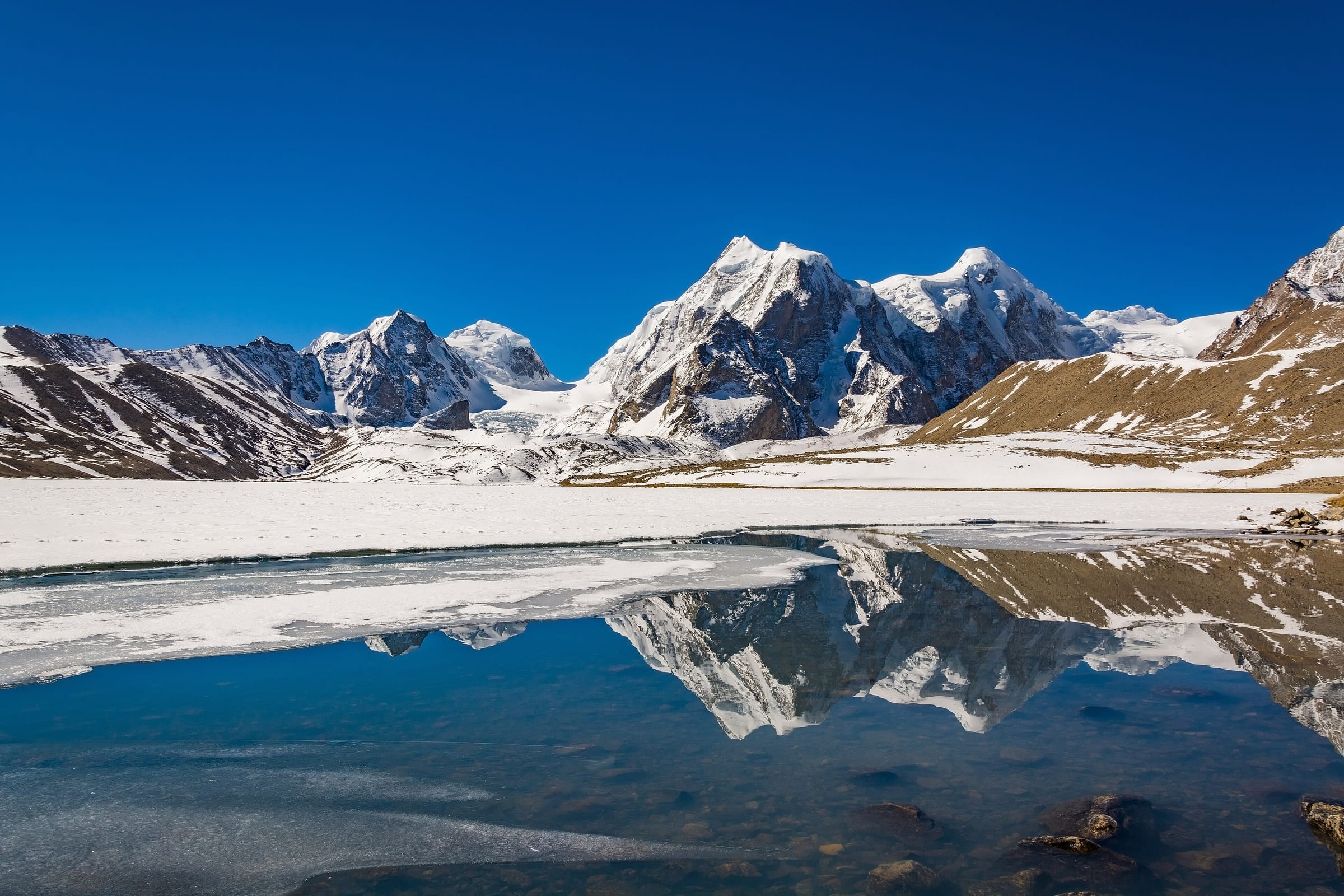
India is a vast South Asian country between the Himalayas and the Indian Ocean, known for its monuments, living traditions, regional cuisines and extraordinary variety of landscape. New Delhi is the capital, and the country spans deserts, tea hills, tropical coast, river plains and snow peaks. The Taj Mahal at Agra, completed in the seventeenth century and a UNESCO World Heritage Site since 1983, remains the most recognised monument, but it is one of dozens of inscribed sites, from the cave temples of Ajanta to the fort cities of Rajasthan. Few places reward a return visit so generously.
Every region has its own language, textiles, festivals and table. Diwali lights homes and streets across the country in autumn, Holi colours the spring, and the Kumbh Mela gathers pilgrims on the river banks in numbers that astonish. In the north, Rajasthan's Jaipur, Udaipur and Jodhpur offer palace hotels and bazaars; in the south, Karnataka mixes ancient Hampi with Bengaluru's modern energy. Cuisine is a journey in itself, from Punjabi tandoor and Mughlai kebabs to Kerala fish curry, dosa and Bengali sweets.
Palaces, Backwaters, Himalaya and Goa's Coast
The classic first journey is the Golden Triangle of Delhi, Agra and Jaipur, pairing Mughal and Rajput architecture with bustling bazaars. From there travellers extend to Varanasi, where dawn boat rides pass the Ganges ghats, or to the lakeside palaces of Udaipur. Kerala brings a slower rhythm, with houseboats gliding through the backwaters of Alleppey and spice plantations in the hills around Munnar. In the north, Ladakh and the Himalayan foothills draw walkers and photographers, while wildlife reserves such as Ranthambore are known for the chance to see tigers.
Beaches suit a different mood. Goa's coast of palm-backed sands, Portuguese-era churches and seafood shacks has long been a favourite, and the long Kerala and Karnataka shorelines add quieter options. India also pairs naturally with island escapes: many travellers finish with a few days in the Maldives, and the wider region connects through hubs such as Dubai. A hotel group can showcase heritage palaces, tented camps and beach resorts in a single, richly varied story.
Cool Season Sunshine and Getting There
The most popular season runs from about October to March, when the plains are bright and mild, Rajasthan's palace cities are at their best and the southern coast is dry and sunny. The Himalaya favours summer for trekking, while the hills of the south are green and lush after the monsoon. Festival timing can shape a trip: Diwali, Holi and the Pushkar camel fair all draw visitors, and each region has its own harvest and temple calendar.
Direct flights link London with Delhi and Mumbai in roughly nine hours, with onward domestic connections to most major cities and a growing network of regional airports. Trains remain a signature experience, from the Palace on Wheels to the long southern routes. For airline and tourism partners, a domain such as VisitBharat.co.uk offers a clear base for telling the many stories of one country, while neighbouring Thailand and Singapore make easy additions for longer Asian itineraries.
Where to Stay from Palaces to Plantations
India's stays are as varied as its landscapes. In Rajasthan, converted palaces and havelis in Jaipur, Udaipur and Jodhpur let guests sleep behind sandstone walls once home to maharajas, with lake views at Udaipur and a blue-washed old city spread below Jodhpur's Mehrangarh Fort. Delhi suits culture and business travellers, with grand colonial-era hotels in Lutyens' Delhi and boutique guesthouses near Humayun's Tomb. Agra works best as a one or two night stop, with the Taj Mahal glowing at dawn. Mumbai adds Art Deco seafront buildings along Marine Drive and the Gateway of India, an ideal city-led first night for guests arriving from Europe.
Beyond the cities, India shines for retreat-style stays. Kerala's restored heritage homes and Ayurvedic resorts around Kovalam and Kumarakom suit couples and wellness seekers, while Munnar's tea-estate bungalows sit among rolling green slopes. Goa divides neatly: the north is lively and social, while the south around Palolem is calmer and better for families. Jungle lodges beside Ranthambore, Kanha and Bandhavgarh serve wildlife lovers, and tented camps near Jaisalmer offer a night under desert stars. Choosing each base by mood rather than distance is the secret of a satisfying itinerary, and many guests happily mix a palace, a houseboat and a beach in one journey.
Thalis, Textiles and a Calendar of Colour
Food in India is regional rather than national. A Gujarati thali, a Hyderabadi biryani, a Kolkata fish curry and a Punjabi butter chicken could belong to different countries, and street snacks such as chaat, vada pav and jalebi turn every market into a tasting menu. Chai is the national ritual, poured in glasses at railway stations and on hotel terraces, while South Indian filter coffee has its own devoted following. Spices from Kerala, saffron from Kashmir and tea from Darjeeling and Assam make excellent edible souvenirs, and cooking classes in Jaipur, Delhi and Kochi are a popular way to learn the craft.
Craft traditions are equally rich: block-printed cottons in Rajasthan, silk saris in Varanasi and Kanchipuram, pashmina from the Himalaya, blue pottery in Jaipur and brass work in Moradabad. The year flows with festivals. January brings Makar Sankranti kite flying and the Jaipur Literature Festival, March the colours of Holi, October and November the lights of Diwali, and winter the Pushkar camel fair. Monsoon months turn Kerala and the Western Ghats emerald, and monsoon Ayurveda programmes are a favourite for wellness guests. Travellers who plan around festivals often find that the calendar itself becomes the reason for the trip.
Tigers, Trains and Himalayan Day Trips
Active travellers are spoiled for choice. Safaris at Ranthambore and Bandhavgarh give real chances of tiger sightings at dawn, birdwatchers flock to Bharatpur, and cyclists can ride quiet lanes around Pushkar and the Kerala backwaters. Yoga and meditation draw guests to Rishikesh beside the Ganges, while trekkers head to Himachal's Spiti and Uttarakhand's Valley of Flowers. The Palace on Wheels and Deccan Odyssey turn rail travel itself into an experience. In Delhi, day trips reach Agra and Fatehpur Sikri, and from Jaipur guests visit the Amber Fort and the stepwells of Abhaneri, all easy additions to a city stay.
Stays can be built around a theme. A heritage week might link Jaipur, Udaipur and Jodhpur, a wellness fortnight Kerala and Goa, and a family trip Delhi, Agra and Ranthambore. India also works as the first half of a bigger story, with onward flights to Thailand and Singapore, or a rest stop through Abu Dhabi and Doha on the way home. Tour operators and boards can use destination guides like this one to show how themes connect, while the Seychelles offers a warm-water finish for guests who want a beach after the tigers and temples.
Planning your stay
India rewards a focused itinerary. The classic northern circuit links Delhi, Agra and Jaipur, Rajasthan adds forts and desert camps, Kerala offers backwaters and spice country, and Goa is the long-standing beach destination. The south is a different India again, and Karnataka combines the technology hub of Bengaluru with Mysuru, Hampi and the Coorg hills.
British Airways flies non-stop from London to Delhi in about 8 hours 45 minutes and to Mumbai in about 9 hours. Distances are large and trains and domestic flights are the usual way to link regions. Many UK travellers pair India with the Indian Ocean, and the Maldives and the Seychelles are the obvious beach extensions. Allow at least two weeks for a first visit and resist the urge to cover every region.
When to go
The cooler, drier months from October to March suit most of the country, and they are the busiest period for hotels and flights. Summer from April to June is extremely hot across the plains, and the monsoon from roughly June to September brings heavy rain, though it also brings green landscapes and lower prices in places such as Kerala.
The Foreign, Commonwealth and Development Office says severe air pollution is a major health hazard, especially from October to February, and that north Indian cities are most affected. If you have a respiratory condition, plan around it, and consider the south during those months.
Visa, passport and forms
Your passport must have an expiry date at least six months after you arrive and at least two blank pages.
Foreign nationals must complete an e-arrival card online before reaching immigration, up to 72 hours before arrival. Make sure the border officer stamps your passport, because you will need to show it when you leave.
Before you travel
Entry requirements and official travel guidance are updated regularly, so check the latest position with your government before booking. The sources we used are listed at the foot of this page.
Why India matters to the industry
India is a high-volume, research-heavy market where travellers compare visas, regions and seasons before they book. VisitBharat.co.uk lets a tourist board, hotel group or airline publish clear answers, and our AI platform carries them to searchers and assistants.
Our wider destination guides set India beside other long-haul markets, and the OTA page shows how booking platforms reuse this content.
Questions travellers ask about India
What is the e-arrival card?
Foreign nationals must complete an online e-arrival card before reaching immigration, up to 72 hours before arrival. It is not a visa.
What is India best known for?
India is best known for the Taj Mahal, the palaces and forts of Rajasthan, the Ganges at Varanasi, Kerala's backwaters and Himalayan scenery. Its regional cuisines, festivals such as Diwali and Holi, and rich craft traditions are just as much part of the draw.
When is the best time to visit India?
October to March is the most popular period, with bright, comfortable weather across the north and plains and dry skies in the south. The Himalaya is best in summer, and festival dates such as Diwali can help shape the ideal month.
Where should couples stay in India?
Couples often choose the lakeside palace hotels of Udaipur, Kerala's backwater houseboats and Ayurvedic resorts, or a beach retreat in south Goa. Jaipur and Jodhpur add heritage havelis with courtyards and rooftop dinners with fort views.
What food should I try in India?
Try a regional thali, masala dosa with filter coffee, biryani, chaat from a market stall, fresh tandoori breads and Kerala fish curry. Finish with jalebi or kulfi, and learn the basics in a cooking class in Jaipur, Delhi or Kochi.
In the Visit Travel Group portfolio: VisitBharat.co.uk.