Where Two Continents Meet in One Journey
Turkey is a transcontinental country spanning south-eastern Europe and western Asia, known for Istanbul, the ruins of Ephesus, the rock landscapes of Cappadocia and a long coastline on the Aegean and Mediterranean. Its capital is Ankara, but the great cultural stage is Istanbul, a city divided by the Bosphorus and layered with Byzantine and Ottoman grandeur. The Hagia Sophia, the Blue Mosque, Topkapi Palace and the Grand Bazaar sit within a short walk of one another, and a ferry across the water moves the traveller from one continent to the other.
The country is also one of the world's great storehouses of antiquity. Ephesus, with its Library of Celsus, and the Greek and Roman ruins of Pergamon and Aphrodisias tell of cities that shaped the ancient world, while Göbekli Tepe in the south-east is celebrated as one of the oldest monumental sites known. Pamukkale's white travertine terraces and the ruins of Hierapolis above them are another UNESCO-listed highlight. Neighbouring European and Mediterranean destinations rarely offer so many eras in a single holiday.
Cappadocia Skies and Aegean Turquoise
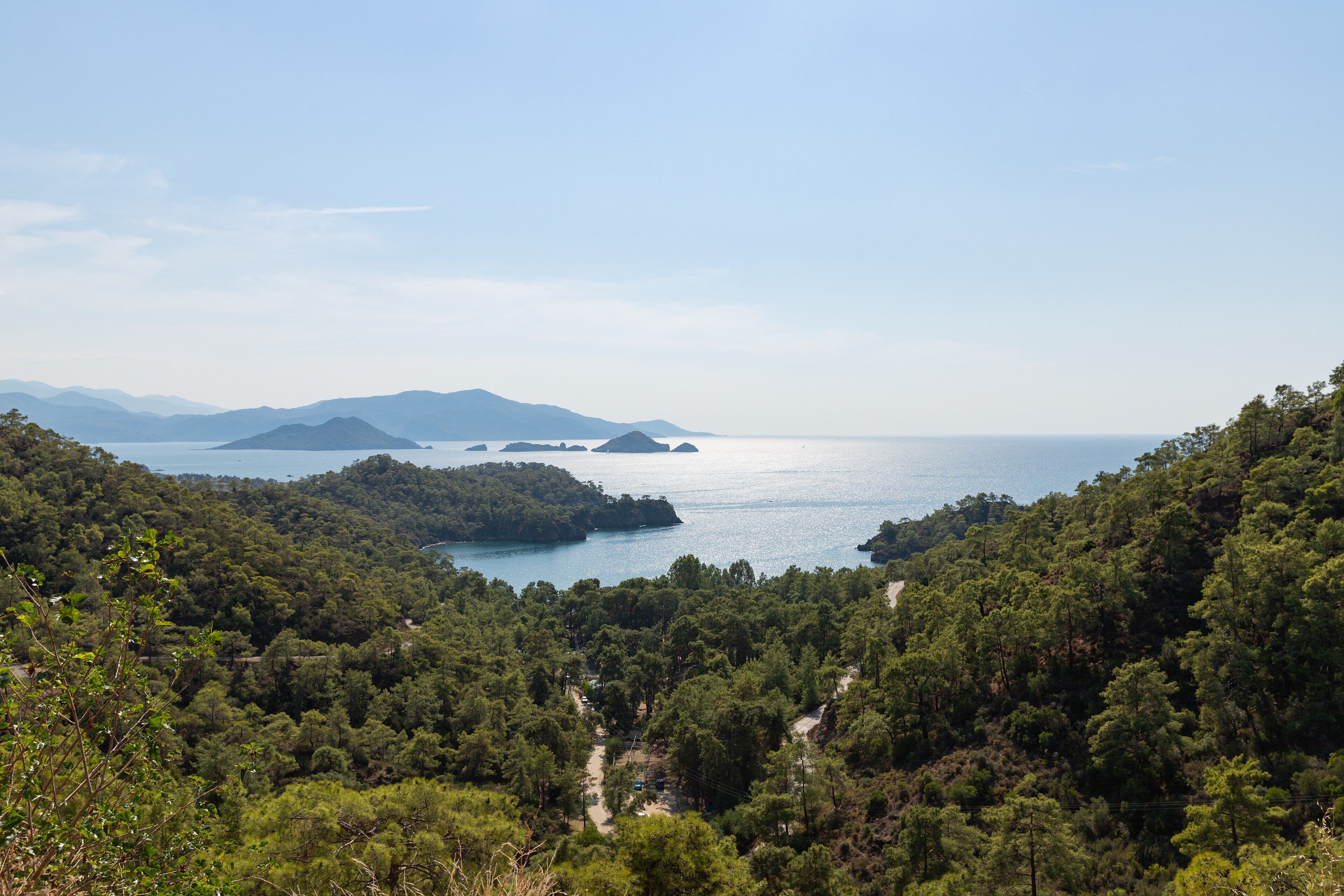
Cappadocia is the image many travellers carry home: soft, wind-carved rock formations known as fairy chimneys, cave hotels cut into the hillsides and, at dawn, dozens of hot air balloons rising over the valleys. Walking trails through Göreme and the Rose Valley, underground cities and painted rock churches add depth to the scenery. In the west and south, the Turkish Riviera around Antalya, Bodrum, Marmaris and Fethiye brings pine-fringed coves, gulet cruises and a long season of sun and sea.
Food is a destination in its own right. Breakfast arrives as a spread of cheeses, olives, honey, clotted cream and fresh bread, while the day moves through meze, kebabs, pide, fresh fish and baklava with strong Turkish coffee or tea. Istanbul's hammams and bazaars suit rainy afternoons, and a hotel group can package a city break, a cave stay and a coastal retreat into one itinerary. Sun-seekers comparing coasts often look to Paphos or Croatia as alternatives, but Turkey offers the widest range.
Choosing Your Season and Your Route
Spring and autumn are especially rewarding for city sightseeing and for Cappadocia, when the air is clear and comfortable for walking. Summer is the season of the beach and the boat, particularly along the Aegean and Mediterranean shores, and it stretches generously into autumn. Winter brings snow to the central plateau, and Cappadocia in a dusting of white is a striking sight. Istanbul keeps its own calendar of festivals, from tulip season in spring to its arts and film events.
Turkey is well served by international airports at Istanbul, Antalya, Bodrum, Dalaman, Izmir and Cappadocia, which makes multi-stop routes easy to plan for guests from the UK and across Europe. A name like VisitTurkey.co.uk gives airlines and tourist boards one clear shop window for the whole story. Visitors who enjoy the region's heritage might also look at Malta, while those drawn to a city-and-desert combination can look towards Dubai for a contrasting stop.
Cave Hotels, Bosphorus Mansions and Coastal Retreats
Turkey offers an unusually wide range of places to stay. In Istanbul, the Sultanahmet quarter puts guests among the great monuments in small historic hotels, Beyoglu and Karakoy suit design lovers who want galleries and rooftop terraces, and the Bosphorus shore holds restored waterside mansions for those who prefer elegance and quiet. Families often favour the larger hotels on the Asian side or near the parks, where space and easy transport make city days simple.
Outside the city, the choice becomes a question of landscape. Cappadocia's cave hotels, carved into soft volcanic stone around Goreme and Uchisar, combine rock-cut rooms with terraces for watching the dawn balloons. The Aegean and Mediterranean resorts of Bodrum, Marmaris, Fethiye, Kas and Antalya range from boutique hotels above small harbours to large all-inclusive beach resorts, and the Belek area is a favourite of golfers. Gulet cruises offer a floating alternative, with cabins, a cook and a different cove each evening.
Breakfast Spreads, Mosaic Lamps and Spring Tulips
Turkish cuisine varies sharply by region. The south-east brings spiced kebabs, lahmacun and pistachio baklava from Gaziantep, the Aegean favours olive oil dishes, wild greens and fresh seafood, and the Black Sea coast is known for anchovies and hazelnuts. Street food is part of daily life, from simit rings and grilled corn to stuffed mussels and roasted chestnuts, and tea is served in tulip-shaped glasses at every turn. Turkish coffee, brewed in a small pot and served with a square of lokum, is recognised by UNESCO as part of the country's cultural heritage.
Craft traditions are equally rich. Handwoven carpets and kilims, Iznik-style ceramics, copperware, mosaic glass lamps and leather goods fill the bazaars of Istanbul and the markets of Cappadocia. The calendar follows the seasons: tulips colour Istanbul's parks in April, the Istanbul Biennial and arts festivals bring autumn crowds, and the whirling dervish ceremonies of Konya in December draw those seeking the poet Rumi's legacy. The mild coast keeps its beach season from May to October, with warm evenings that suit long dinners.
Balloons, Blue Voyages and Lycian Paths
Turkey is a country for doing as well as seeing. Dawn balloon flights over Cappadocia are the headline, but walking in the Ihlara Valley, cycling between rock villages and riding through the Rose Valley add other angles. On the south-west coast, the Lycian Way, a long-distance footpath, links ruined cities, pine hills and quiet coves, while paragliding from Babadag above Oludeniz gives a very different view of the turquoise sea. Divers and snorkellers explore the clear waters off Kas, and sailors favour the traditional blue voyage by gulet from Fethiye or Marmaris.
Day trips add depth to any base. From Antalya, guests can visit the Roman theatre at Aspendos and the ruins of Perge, while the white terraces of Pamukkale and the great city of Ephesus anchor a classic Aegean tour from Izmir or Kusadasi. Spa days in thermal pools, hammam rituals and cooking classes suit slower afternoons. A booking platform can bundle city, cave and coast into one itinerary, and guests extending the trip can add Dubai by air or turn west to Croatia and Paphos, or follow the wider Mediterranean and Europe.
Planning your stay
The Mediterranean and Aegean coasts have the main beach resorts and a long swimming season, with Antalya, Bodrum, Marmaris, Fethiye and Dalaman the best known. Istanbul is a very large city of mosques, markets and ferries, suited to a city break, and Cappadocia in the centre has volcanic landscapes and cave hotels.
Many UK visitors also take day trips to the Greek islands from the Turkish coast, including from Bodrum to Kos. The Greek islands, such as Mykonos, Paros and Folegandros, sit just across the Aegean, and Paphos in Cyprus lies to the south east.
Entry rules
The Foreign, Commonwealth and Development Office says your passport must have an expiry date at least 150 days after the date you arrive and at least one blank page. UK visitors with a British citizen passport can visit Turkey without a visa for up to 90 days in any 180-day period, for business or tourism. Holders of other types of British passport need a visa and should check with the Turkish Embassy.
If you plan a day trip to a Greek island, remember that Greece is in the Schengen Zone and has introduced the Entry/Exit System, which applies to any non-EU national travelling from Turkey into the EU, and may take a few extra minutes. If you leave Turkey with a dual British-Turkish child aged 18 or younger, you may need to show permission to travel from the Turkish parent.
Before you travel
Entry requirements and official travel guidance are updated regularly, so check the latest position with your government before booking. The sources we used are listed at the foot of this page.
Why Türkiye matters to the industry
Türkiye is a large, price-led market where trust and accurate, current information carry real value, particularly when headlines are mixed. VisitTurkey.co.uk lets a tourist board, hotel group or airline publish clear guidance on entry rules, regions and what is and is not affected, and our AI platform carries it to assistants.
Browse our destination guides for the wider Mediterranean, or see how online travel agencies use accurate destination content.
Questions travellers ask about Türkiye
Do UK citizens need a visa for Türkiye?
Holders of a British citizen passport can visit for up to 90 days in any 180-day period for tourism or business without a visa. Your passport must have an expiry date at least 150 days after you arrive and at least one blank page.
What is Turkey best known for?
Turkey is best known for Istanbul and its landmarks such as the Hagia Sophia and Grand Bazaar, the ancient city of Ephesus, Cappadocia's balloon-filled valleys, the Pamukkale terraces and a long Aegean and Mediterranean coastline. Its cuisine, from meze to baklava, is another major draw.
When is the best time to visit Turkey?
Spring and autumn suit city sightseeing and Cappadocia, with comfortable walking weather. Summer and early autumn are ideal for the Aegean and Mediterranean coasts, while winter brings snow to the central highlands.
Where should I stay in Turkey for a first visit?
Many first-time visitors split their trip between Istanbul's Sultanahmet or Karakoy for history and design, a Cappadocia cave hotel for the balloon skies, and a coastal base such as Bodrum, Fethiye or Antalya for beaches and boat days.
What Turkish food should I try?
Start with a full Turkish breakfast, then try meze, kebabs, pide and lahmacun, followed by baklava and Turkish coffee or tea. Regional favourites include Gaziantep pistachio sweets, Aegean olive oil dishes and fresh grilled fish along the coast.
In the Visit Travel Group portfolio: VisitTurkey.co.uk, VisitTurkiye.co.uk.