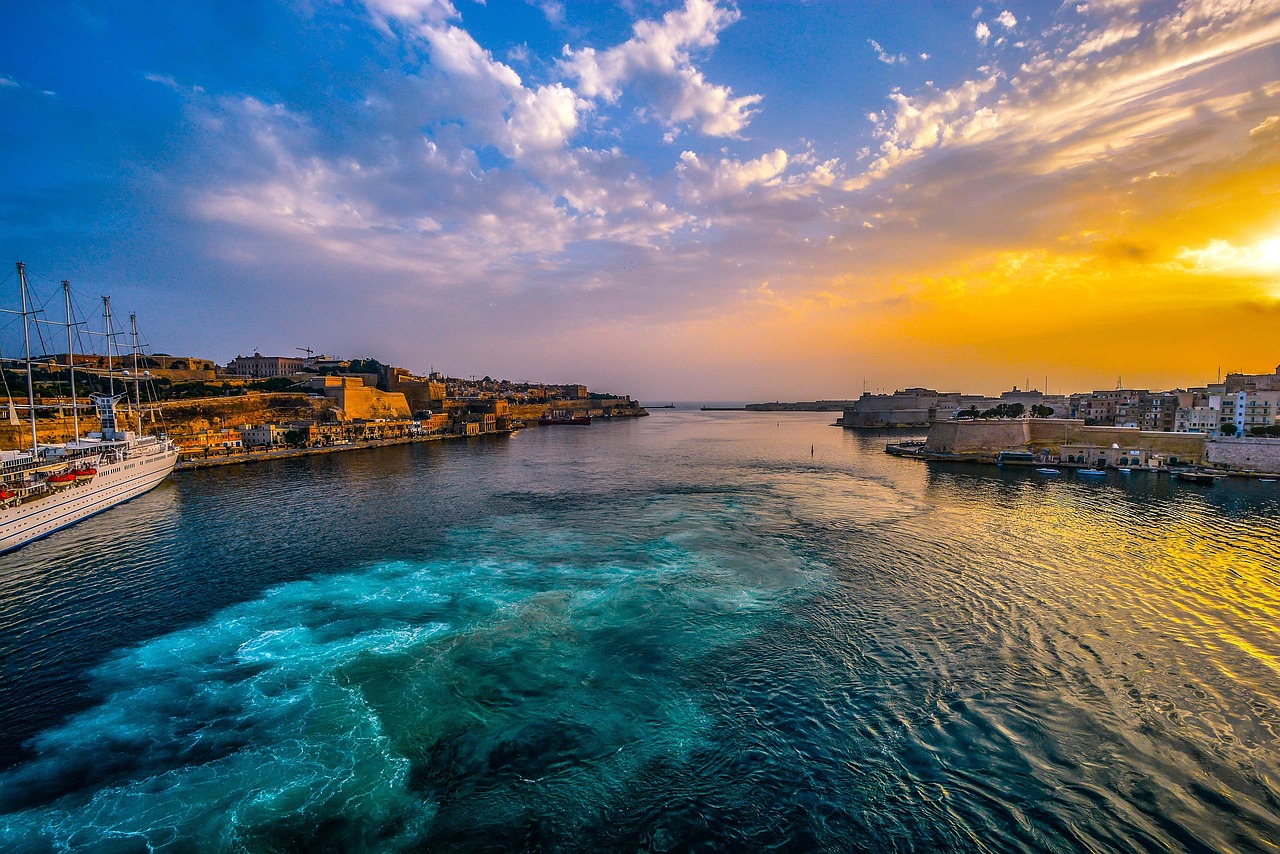
Valletta, Mdina and Seven Thousand Years
Malta is an island nation in the central Mediterranean, south of Sicily, known for Valletta, its fortified capital, for prehistoric temples and for a history shaped by the Knights of St John. The archipelago consists of Malta, Gozo and Comino, and has about half a million residents. Valletta was inscribed as a UNESCO World Heritage Site in 1980 and was European Capital of Culture in 2018. Its grid of honey-coloured streets, grand harbour views and the Baroque St John's Co-Cathedral, home to Caravaggio's Beheading of Saint John the Baptist, reward slow exploring.
Older still are the temples. The Ġgantija temples on Gozo and the Hypogeum at Paola, an underground complex of chambers, date from prehistoric times and sit among Malta's UNESCO-listed treasures. In the island's centre, the walled city of Mdina, once the capital, is nicknamed the Silent City for its narrow lanes and golden bastions. Travellers who know Sicily and Italy will notice echoes of Baroque Italy here, alongside Arabic, British and Maltese influences that make the islands entirely their own.
Gozo, Comino and the Maltese Table
Gozo is the greener, slower sister island, reached by a short ferry from Malta's north. Its Citadel overlooks Victoria, and the coast is dotted with salt pans, dramatic cliffs and quiet bays. Comino, between the two, is a tiny, car-free island whose Blue Lagoon is a favourite for boat trips on clear days. Divers value the clear water and the wrecks and caves around the islands, while the Blue Grotto on Malta's south coast is a classic boat excursion. The three islands together suit short breaks and longer stays alike.
Maltese cuisine blends Sicilian, North African and British traits. Expect pastizzi, flaky pastries filled with ricotta or peas, fresh lampuki fish in season, rabbit stew known as fenkata, and ftira, a ring-shaped bread piled with tomatoes, olives and tuna. The island's festa season, when villages decorate their streets with lights and fireworks for patron saints, runs through the summer. A tourist board can use that calendar of food, faith and celebration to give visitors constantly fresh reasons to return.
When to Go and How to Arrive
Malta enjoys a long season of bright weather. Spring and autumn are especially popular for sightseeing, with comfortable temperatures and warm seas lingering into October, while summer is the time for beaches, boat trips and festas. Winters are mild, which is why many visitors come for walking, culture and language study. Easter processions and the Valletta calendar of music and theatre add depth to the shoulder months, and the islands are small enough that most journeys take less than an hour.
Malta International Airport links the islands with the UK and with many European cities, and ferries connect Malta to Gozo and, seasonally, to Sicily. A name like VisitMalta.co.uk offers airlines and hotels one clear shop window for the full story. Many guests extend their trip across the wider Mediterranean, with Paphos and Croatia making natural companions for a multi-stop holiday, and an airline partner can build routes around exactly that idea.
Where to Base Yourself on the Islands
Malta is small enough that the choice of base shapes the mood of a stay rather than the range of things you can see. Valletta suits culture seekers, with restored palazzo hotels and rooftop terraces overlooking the Grand Harbour, while Sliema and St Julian's offer promenades, shopping, seafront restaurants and larger hotels that appeal to groups and families. Mdina and the neighbouring village of Rabat hold quiet, characterful stays inside honey-coloured walls, perfect for couples who like stillness after the day-trippers leave.
Further north, the resort bays of Mellieha, Bugibba and St Paul's Bay combine sandy beaches with water sports and family-friendly hotels, and the Marsaxlokk area in the south-east keeps the feel of a working fishing village. On Gozo, farmhouse stays with private pools are a speciality, along with small hotels in Xlendi, Marsalforn and the Citadel area of Victoria. Luxury seekers will find resort hotels with spas and private beach clubs, and the islands also offer converted townhouses that sleep a large group together.
Pastizzi Mornings, Festa Nights and Carnival Colour
Maltese food rewards curiosity. Start the day with a hot pastizz from a corner bakery, then try hobz biz-zejt, crusty bread rubbed with tomato and topped with tuna, capers and olive oil. Lunch might be aljotta, a garlicky fish soup, or stuffat tal-fenek, the national rabbit stew, and the evening may end with imqaret, date-filled pastries fried and served warm, or a glass of Kinnie, the bittersweet local fizzy orange. Maltese wine has a growing reputation, with island vineyards producing both indigenous and international grape varieties.
The year is full of colour. Carnival fills Valletta with floats and costumes before Lent, and Holy Week brings solemn processions with life-size statues through village streets. Summer is festa season, with brass bands, fireworks and street decorations, and the Malta International Arts Festival and jazz events add music in the warm months. Autumn opens the walking and diving season, and winter brings the Christmas cribs and a quieter, sunlit pace. Local crafts include Mdina glass, filigree silver and Gozitan lace, all easy to take home.
Dive Sites, Cliff Walks and Gozo Days
Malta is a leading diving and snorkelling destination, with clear water, caves, reefs and wrecks accessible from the shore and by boat. Gozo's Blue Hole and the Inland Sea are celebrated sites, and training centres across the islands teach beginners in sheltered bays. On land, the Dingli Cliffs give the best sunset walks, the coastal path at Ghar Lapsi and Marsaxlokk is easy underfoot, and cyclists favour the quieter lanes of Gozo. Sailing, kayaking and boat trips to Comino and the Blue Lagoon fill many warm afternoons.
Day trips are short and varied. The temples at Hagar Qim and Mnajdra overlook the sea in the south, the Three Cities across the Grand Harbour offer quiet history, and a ferry from the north brings guests to Gozo in about half an hour. A longer break can be built around Valletta, Gozo and a dive week, and a booking platform can package the lot. Travellers wanting a second stop can head to Sicily, which lies close by, or on to Mediterranean favourites such as Sardinia, Paphos or Italy's mainland coast.
Planning your stay
Valletta is a compact walled capital with a harbour, a cathedral and some of the best-preserved baroque architecture in Europe. Sliema and St Julian's are the main resort and restaurant areas, with promenades, shops and hotels, while Mellieħa and the north have larger beaches. Mdina, the old capital inland, is a quiet fortified town.
Gozo, Malta's smaller sister island, is a short ferry ride away and is greener, slower and good for walking and diving. Most visitors spend most of a stay on the main island and add a day or two on Gozo. The islands sit close to Sicily and Pantelleria, and Tunisia lies to the south across the sea.
When to go
Spring and early autumn, from April to June and again in September and October, are the pleasant stretches for sightseeing, and the sea is at its warmest by the end of summer. July and August are hot and busy, with the highest prices, and winter is mild but can be wet and windy. Malta suits short breaks all year because of the frequency of flights.
Buses can be crowded in summer, and parking is limited in the popular areas, so plan to use public transport or taxis and book ferry tickets to Gozo in advance in peak season.
Entry rules
A visa is not needed for tourism, but every day in Malta draws on the same 90-day allowance used by other Schengen countries, and an overstay can bring an entry ban of up to three years.
At Maltese border control you may be asked to show a return or onward ticket and prove that you have enough money for your stay. The EU's Entry/Exit System means fingerprints and a photo may be taken on your first visit, which can add time at the airport.
Before you travel
Entry requirements and official travel guidance are updated regularly, so check the latest position with your government before booking. The sources we used are listed at the foot of this page.
Why Malta matters to the industry
Malta is one of the most competitive short-break markets in the Mediterranean, and it competes with Mediterranean neighbours such as Croatia and Rovinj on weather, flights and value. A clear, accurate destination site is a real advantage for a tourist board, hotel group or airline.
VisitMalta.co.uk shows what a flagship destination site looks like on our network, and our destination guides and AI platform show how the same approach extends to the rest of the portfolio.
Questions travellers ask about Malta
Do UK citizens need a visa for Malta?
No visa is needed for a Malta holiday of up to 90 days in any 180, shared with other Schengen countries. The passport needs an issue date under 10 years before you arrive and three months of validity after you leave.
What is the best time to visit Malta?
The shoulder months of April to June and September to October balance warm days with manageable crowds. July and August are hot and busy. Winter is mild but can be wet and windy.
When is bird hunting season in Malta?
Spring and autumn, with dates set each season by the government. Hunting areas are rarely marked, so take care in rural areas and nature spots in those periods.
What is Malta best known for?
Malta is best known for Valletta, its UNESCO-listed capital, the Knights of St John, prehistoric temples older than the pyramids, warm seas and the islands of Gozo and Comino. Its blend of Mediterranean, Arabic and British influence gives it a distinctive character.
When is the best time to visit Malta?
Spring and autumn are ideal for sightseeing and walking, while summer is best for beaches and village festas. Winters are mild, so Malta also suits quieter cultural breaks outside the main holiday season.
Where should families stay in Malta?
Families often choose Mellieha, Bugibba or St Paul's Bay for sandy beaches and water sports, or Sliema and St Julian's for restaurants and a promenade close to ferries and shops. Gozo farmhouses with private pools are a favourite for larger groups.
What is there to do in Malta outside summer?
Spring and autumn suit walking, diving and heritage touring, while winter brings mild sunny days for Valletta, Mdina and the temples. Easter processions, Carnival and Christmas cribs add colour, and many hotels have spas and indoor pools.
In the Visit Travel Group portfolio: VisitMalta.co.uk.