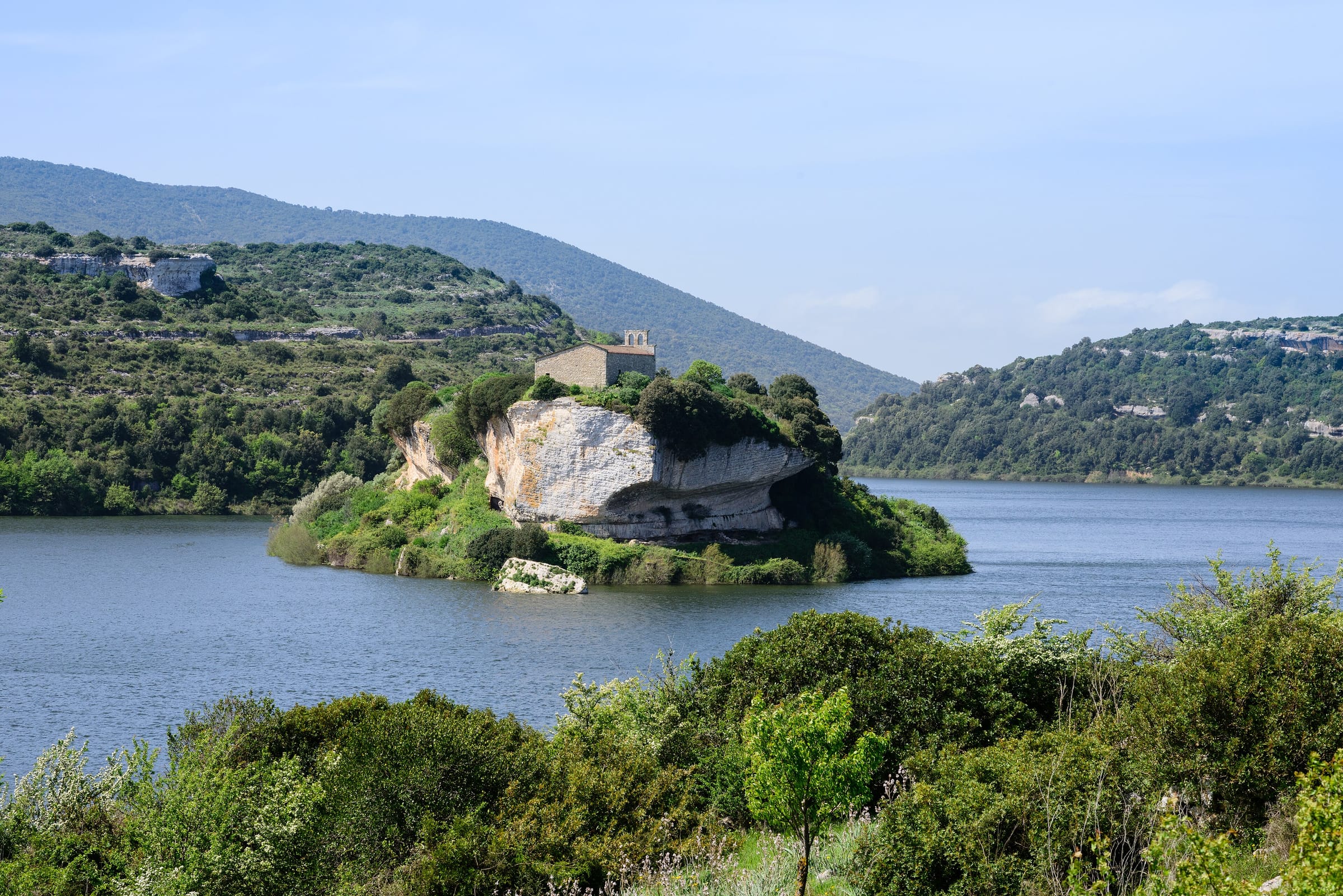
Italy's Wild Island of Granite and Turquoise
Sardinia is the second-largest island in the Mediterranean, an autonomous region of Italy known for its white-sand coves, clear turquoise water, granite headlands and a culture that feels distinct from the mainland. It covers about 24,000 square kilometres, with a long coastline, an inland of cork oak, holm oak and shepherd country, and a population that still speaks Sardinian alongside Italian. Its beaches are among the most admired in Europe, from the pink-tinged sand of Budelli to the dramatic limestone cove of Cala Goloritze.
History runs deep. The Nuragic civilisation raised thousands of stone towers called nuraghi across the island, and Su Nuraxi di Barumini, the best-known complex, was inscribed by UNESCO in 1997. Later came Phoenician, Roman, Pisan, Catalan and Savoyard influences, still visible in the cities of Cagliari, with its hilltop Castello quarter, and Alghero, whose old town retains Catalan echoes in dialect and architecture. This mix gives Sardinia a depth that beach-led islands rarely match.
Costa Smeralda, La Maddalena and Sardinian Flavours
The Costa Smeralda, developed from the 1960s on the north-east coast, is the island's glamorous shoreline, with Porto Cervo's marina, pale granite coves and a long tradition of yacht-led summers. Nearby, the La Maddalena archipelago, a national park, offers boat days among small islands and clear shallow bays. On the west coast, Alghero and the dramatic cliffs of Capo Caccia suit those who prefer sunset terraces, while the south offers wide sands near Villasimius and the lively capital, Cagliari.
Sardinian cuisine is generous and individual: culurgiones, ravioli-like pasta with potato and mint, porceddu roast suckling pig, paper-thin pane carasau bread, bottarga, fresh seafood and pecorino cheeses, paired with Vermentino and Cannonau wines. Travellers who know Corsica just across the Strait of Bonifacio will recognise the sea but find a different culture. A hotel group could offer everything from design-led beach resorts to rural agriturismi, and the neighbouring Elba and Sicily make rewarding additions.
Seasons, Ferries and Flights from the UK
Late May to early October is the heart of the beach season, with warm, settled weather and the sea at its most inviting. June and September are favourites for those who like softer crowds, and spring suits walkers, cyclists and anyone drawn to wildflowers and the Nuragic sites. Local festivals, including the Cavalcata Sarda in Sassari each May, showcase traditional costume, music and horsemanship and add genuine cultural colour to a trip.
Sardinia is served by airports at Cagliari, Olbia and Alghero, with direct flights from the UK in the main season, and ferries link the island to Genoa, Livorno, Civitavecchia and Corsica. A hire car is the easiest way to explore, while boat charters open up the coast. It slots neatly into a wider Italy itinerary, perhaps with Rome or Genoa on the way. For a tourist board or airline, VisitSardinia.co.uk gives the island's story one confident home.
Sardinia's Coasts, From Glamour to Wilderness
Sardinia offers a stay for every temperament. The Costa Smeralda around Porto Cervo and Porto Rotondo is the glamorous north-east, with luxury resorts, marinas and beach clubs that suit couples and yacht-minded travellers. Nearby Santa Teresa Gallura and Palau are more relaxed, with family hotels and ferry access to the La Maddalena islands. Alghero, on the west coast, mixes a walled old town with beach resorts and suits culture seekers, while Stintino, at the north-west tip, is a favourite for its shallow, sandy bays and kitesurfing.
In the south, Villasimius and Chia have long white beaches and family resorts with gardens and pools, and Cagliari offers a city base with a lively seafront. The east coast around Cala Gonone and the Gulf of Orosei is wilder, loved by divers, walkers and climbers. Golfers will find championship courses near Pula and Porto Cervo, and villa rentals suit larger groups. Inland, agriturismi serve home-grown produce among cork oaks. A hotel group might pair Sardinia with Corsica or Sicily in one Mediterranean island portfolio.
Pane Carasau, Bottarga and Festival Colour
Beyond the famous dishes, look for fregola with clams, malloreddus pasta with sausage ragu, seadas, the fried pastry filled with cheese and drizzled with honey, and the cheeses and honey of the Barbagia. Myrtle liqueur and Vermentino are part of island heritage, while coffee and almond biscuits end a meal. Crafts are among Italy's most distinctive: woven carpets and baskets, filigree jewellery, coral work from Alghero, hand-carved wood and the knives of Pattada, all still made by local artisans and sold in village workshops.
Festivals are intensely local. The Sagra di Sant'Efisio in Cagliari each May is among the grandest religious processions in the Mediterranean, with costumed groups from across the island, while the Redentore in Nuoro in late August gathers traditional dress from every village. Carnival in Mamoiada, with its mask-wearing Mamuthones, is a striking sight in winter. Spring brings wildflowers, summer the beach season and music nights, and autumn the grape harvest. Tourist boards can use VisitSardinia.co.uk to turn this calendar into a clear season-by-season guide.
Gorges, Sailing and Day Trips Across the Island
Sardinia rewards active travellers. Walkers can trek the Supramonte, including the route to Cala Goloritze, canyoning and climbing are popular near Gola su Gorropu, and cyclists follow quiet coast roads in the south-west. Sailing from Porto Cervo or Palau explores the La Maddalena archipelago, while divers visit Tavolara and Capo Caccia, where caves and reefs shelter rich marine life. Windsurfing and kitesurfing find ideal winds at Porto Pollo and Stintino, and wellness lovers can combine spa days with coastal walks.
Day trips build a rounded stay. From Alghero, Capo Caccia's Neptune's Grotto, reached by cliff stairway or boat, is a highlight, from Cagliari, the Roman amphitheatre and Nora's ruins are close, and from Olbia, Tavolara and the nuraghi of the north-east make a good day. Boat excursions run to Corsica's Bonifacio from Santa Teresa Gallura, and ferries link to Genoa and Rome's port at Civitavecchia. An airline could connect Olbia, Cagliari and Alghero in one open-jaw Sardinian route.
Planning your stay
The Costa Smeralda in the north east is the most glamorous stretch, with luxury hotels, marinas and beach clubs. The north and the La Maddalena archipelago offer sheltered bays and sailing, while the south has long beaches near Cagliari and wide dune systems. The east coast has the Gulf of Orosei, with limestone cliffs and coves reached by boat, and the west is wilder and windier.
The interior is mountainous and sparsely populated, with villages known for traditional food, so a car is useful for exploring. Corsica is just across the Strait of Bonifacio, linked by ferry, and is covered in our guide to Corsica.
When to go
Late May, June and September are warm, with sea temperatures ideal for swimming and fewer crowds. July and August are very hot, crowded and expensive, and many beach car parks and boat trips need booking in advance. Winter is mild on the coast, but many resorts close.
Getting there and getting around
Direct flights from London take about two and three-quarter to three hours to Cagliari, Olbia and Alghero, though some of those routes are seasonal, and ferries link the island to the mainland and Corsica. Sicily is the other large Italian island and makes a contrast, while Palermo and Puglia offer mainland-style trips.
A hire car is essential for most visitors, because beaches and villages can be far apart. Roads in the interior are winding and sometimes unmade near beaches, so allow extra time. Beach car parks are favourite spots for car thieves, so take valuables with you and leave nothing visible or in the boot.
Before you travel
Entry requirements and official travel guidance are updated regularly, so check the latest position with your government before booking. The sources we used are listed at the foot of this page.
Why Sardinia matters to the industry
Sardinia is a premium, short-season market where a small number of resort and yacht operators compete for the same visitors.
Browse our other destination guides for comparison, or read how our AI platform gets that content to assistants.
Questions travellers ask about Sardinia
When is the best time to visit Sardinia?
Late May, June and September are warm and less crowded, with ideal sea temperatures. July and August are very hot and busy. Many resorts close in winter.
Do I need a car in Sardinia?
Most visitors do, because beaches and villages are far apart and public transport is limited. Never leave luggage in a parked car, and expect winding interior roads.
Do I need a visa for Sardinia?
No, a beach holiday of up to 90 days in any 180 needs no visa. Check that your passport was issued under 10 years before arrival and has three months left after you depart the Schengen area.
What is Sardinia best known for?
Sardinia is best known for its clear turquoise water and white-sand beaches, the Costa Smeralda, Nuragic stone towers such as Su Nuraxi di Barumini, and a distinctive cuisine of culurgiones, pane carasau and roast suckling pig.
When is the best time to visit Sardinia?
Late May to early October is the main beach season, with June and September offering warm sea and fewer crowds. Spring and autumn suit walking, cycling and exploring the Nuragic sites in comfortable temperatures.
Where should I stay in Sardinia?
For glamour choose the Costa Smeralda, for family beaches Villasimius or Stintino, for culture Alghero or Cagliari, and for wild scenery the Gulf of Orosei. Villas and agriturismi suit groups who want space and local food.
What are the best day trips in Sardinia?
Take a boat to the La Maddalena islands, visit Neptune's Grotto at Capo Caccia, explore the Roman site of Nora near Cagliari or see the nuraghi of the Barumini area. Each shows a different side of the island.
In the Visit Travel Group portfolio: VisitSardinia.co.uk.