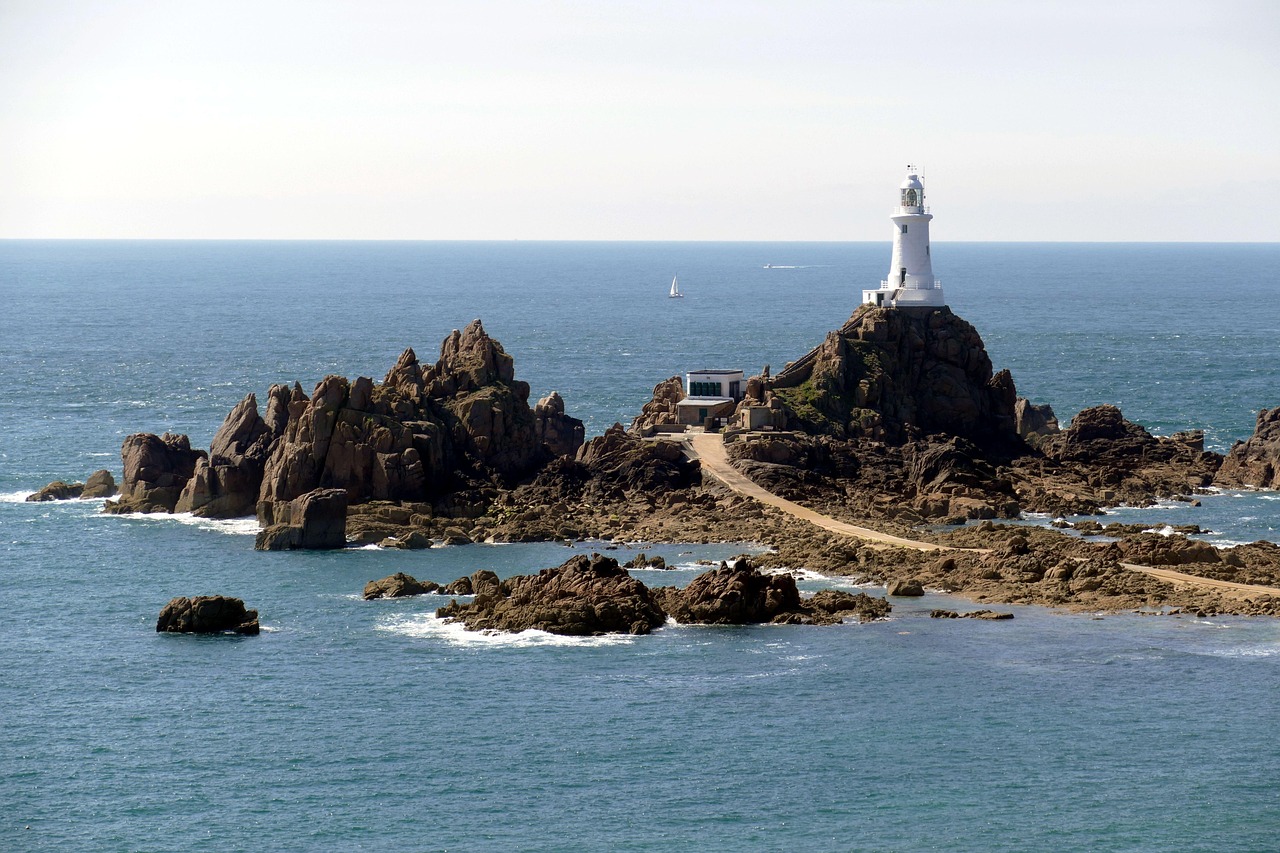
Five Islands With Norman Charm and Island Pace
The Channel Islands are an archipelago in the English Channel off the coast of Normandy, known for Jersey and Guernsey, the smaller islands of Alderney, Sark and Herm, and a blend of British and French heritage. They are Crown Dependencies, not part of the United Kingdom, and have their own governments, traditions and Norman-influenced place names. Their position, closer to France than to England, gives them mild weather, clear light and a distinctive island identity that visitors quickly feel.
Jersey is the largest island, with the capital St Helier, the dramatic Mont Orgueil Castle overlooking Gorey harbour, and a coast of broad bays and sea-cut cliffs. Guernsey's capital St Peter Port is a stepped harbour town where Victor Hugo spent years in exile, and his house, Hauteville House, can still be visited. Compare these with other island holidays across Europe such as Corsica in the Mediterranean, and the Channel Islands offer something closer, softer and altogether more intimate.
Jersey Royals, Cream and Dark Skies
Food is a point of pride. Jersey Royal potatoes, grown on steep coastal fields, arrive each spring, and the islands' dairy herds produce rich milk, cream and butter. Seafood is excellent, with spider crab, scallops, oysters and lobster served at harbourside restaurants. Guernsey's traditional bean jar and gache, a fruit loaf, have their own admirers, and Jersey's black butter is a rich apple preserve. Farm shops, tearooms and markets make a delicious trail around either island.
Nature and wildlife add depth. Durrell Wildlife Park in Jersey, founded by the naturalist Gerald Durrell, is celebrated for conservation work, and coastal paths on both main islands give sea-view walks. Sark, which has no cars, was named the world's first Dark Sky Island, and its star-filled skies are one of the great quiet experiences of the British Isles. A tourist board can showcase this slower, more natural side of island life alongside the beaches and castles.
Island Hopping and the Best Seasons
Late spring and summer are the most popular months, with long, bright days for beaches, sailing and coastal walks, while autumn brings gentle light and quieter paths. Island-hopping is part of the charm: ferries and small boats link Jersey, Guernsey, Sark and Herm, and visitors cycle or walk to explore. Seasonal events include the Jersey Battle of Flowers and the islands' food and music festivals, and tidal ranges in the Channel are among the largest in the world, revealing wide stretches of sand and rock pools.
UK visitors can reach the islands by short flights from several airports and by ferry from Poole and Portsmouth, as well as from St Malo. A name like TheChannelIslands.co.uk lets airlines and hotels present a single clear story for island getaways. Visitors may combine a trip with Scotland or Ireland for a British Isles theme, and many guests treat the Channel Islands as a gentle prelude to the wider Mediterranean summer.
Harbour Hotels, Beach Bays and Car-Free Sark
Each of the islands has a different style of stay. In Jersey, St Helier offers city hotels close to the markets and ferry port, while St Brelade's Bay and St Aubin suit families and couples with sandy beaches, harbourside restaurants and elegant seafront hotels. Gorey, below Mont Orgueil Castle, is a picturesque base for oysters, castle views and quiet evenings, and St Ouen's Bay on the west coast is the favourite of surfers and sunset watchers.
Guernsey's St Peter Port has historic hotels clinging to the stepped streets above the harbour, and the west coast bays of Cobo and Vazon bring beach hotels, surf schools and wide skies. Sark has small family-run inns and cottages where horse-drawn carriages and bicycles replace cars, and Herm, a tiny island reached by boat, has a hotel, cottages and a campsite. Alderney, the quietest of the group, offers guesthouses, a sandy bay at Braye and a walking pace that suits slow weekends.
Ormers, Jersey Wonders and Liberation Day
The islands' food is distinct from the mainland's. Guernsey's ormer, a shellfish prized by locals, is traditionally slow-cooked, while the Jersey wonder, a light fried doughnut, appears in village bakeries. Oysters from Gorey, crab sandwiches from harbour kiosks and fresh lobster in summer are staples, and Jersey Royal potatoes, with butter and mint, define the spring table. Guernsey cream and ice cream feature in tearooms, and bean jar, a slow-cooked pork and bean casserole, is a hearty winter dish.
The calendar offers a distinct rhythm. Liberation Day on 9 May marks the end of the wartime occupation with parades and music, and Jersey's Battle of Flowers in August fills the seafront with floats. Alderney Week brings a late summer carnival, and the Sark Folk Festival adds music to the car-free lanes. Heritage lovers can visit the Jersey War Tunnels and Guernsey's German Occupation Museum, and Victor Hugo's home in St Peter Port is open to visitors. Island crafts include knitted guernseys, pottery and silverware.
Coasteering, Tide Walks and Normandy Day Trips
The Channel Islands reward active guests. Their huge tides expose vast sands and rock pools, and guided tide walks lead across the seabed to small islets, while coasteering, kayaking and sea-swim sessions use the clear water. Surfing at St Ouen's Bay and Vazon, sea-fishing trips and sailing round the coast complement a network of cliff paths. Cyclists enjoy the short distances and quiet lanes, and golfers play links courses beside the sea, notably at La Moye in Jersey and Royal Guernsey.
Day trips are easy. Boats connect Jersey and Guernsey with Sark and Herm, and Alderney is a short flight from either. In summer, fast ferries cross to St Malo in Brittany and onward to Mont Saint-Michel, giving a taste of France in a day. A booking platform can package an island-hopping week, and visitors who like small islands can compare the Balearic Islands, Madeira or Elba, or extend to Yarm and the north of England for a very different British break.
Planning your stay
The Channel Islands are an archipelago in the English Channel and are Crown Dependencies, not part of the UK. They are made up of the Bailiwick of Jersey, whose main island is the largest of the group, and the Bailiwick of Guernsey, which consists of Guernsey, Alderney, Sark, Herm and some smaller islands. Wikipedia notes that Channel Islands is a geographical term, not a political unit.
Guernsey is the second-largest island in the group and lies 27 miles, or 43 km, west of the Cotentin Peninsula in Normandy. VisitGuernsey also promotes inter-island travel, two-centre breaks and island hopping, which suits visitors who want to see more than one island.
Getting there by air
VisitGuernsey says you can fly to Guernsey in as little as 40 minutes, and that airlines operate flights from regional and international airports across the UK, including London Gatwick, London Heathrow, London City, Edinburgh, Dublin, Manchester, Birmingham, Teesside, Bristol and Southampton. Routes and schedules change, so check the current timetable with the carrier.
That list shows how far into the UK the islands reach. Travellers from the North East can use Teesside, which is close to Yarm, and Scottish travellers can use Edinburgh from Scotland. Dublin links Ireland to Guernsey.
Getting there by sea
VisitGuernsey says ferry sailings can take as little as three hours from the UK, with overnight services, and as little as two hours from France, including a direct ferry from St Malo. You can bring a car, bikes and even a dog, which is a real advantage for a self-drive holiday.
Cruise ships also call at St Peter Port, and the tourist board has a section for visiting by cruise. Sea crossings depend on the weather, so allow flexibility for connections.
VisitGuernsey also lists car hire, bike hire, taxis, buses and coaches under getting around, so a visit does not require your own vehicle. Tour operators and special offers have their own sections, which makes the site a useful reference for package builders and agents comparing options for the islands.
Checks before you travel
The Channel Islands are not in the Schengen area and are outside the UK, so identification and entry checks can differ from a domestic trip. According to Wikipedia's account of the Common Travel Area, immigration checks in the Channel Islands are carried out by the Guernsey Border Agency and the Jersey Customs and Immigration Service on passengers arriving from outside the Common Travel Area only.
As an authoritative public guidance page for the islands was not available to us when preparing this guide, we recommend checking the latest requirements on the Jersey and Guernsey government and tourist board websites, and with your airline or ferry operator, before you travel. Pet owners and anyone bringing a vehicle should also check the rules for those with the operator in advance.
When to go
The islands are popular for short breaks, family holidays and walking, and the summer months are the busiest for flights and ferries. Spring and autumn suit visitors who want quieter coasts, though schedules can be reduced outside the main season.
Book sailings and rental cars early for school holidays, check weather and tide-related timings for island-hopping boat trips, and confirm opening times for smaller islands such as Sark and Herm before you plan a day trip.
Before you travel
Entry requirements and official travel guidance are updated regularly, so check the latest position with your government before booking. The sources we used are listed at the foot of this page.
Why the Channel Islands matter to the industry
The Channel Islands are a distinctive short-haul market with strong air and sea links and a tourism offer that is separate from the UK. TheChannelIslands.co.uk lets a tourist board, airline or hotel group present travel and island information in one place, and an online travel agency can link its listings to it.
See our destination guides, the AI platform page and the wider Europe guide for how this content is found.
Questions travellers ask about The Channel Islands
Are the Channel Islands part of the UK?
No. They are Crown Dependencies, made up of the Bailiwick of Jersey and the Bailiwick of Guernsey, and are not part of the UK.
How long is the flight to Guernsey?
VisitGuernsey says flights take as little as 40 minutes from the UK, depending on your departure airport.
Can I take my car to the Channel Islands?
VisitGuernsey says you can bring your car, bikes and dog on a ferry, with sailings from as little as three hours from the UK.
Which islands are in the Bailiwick of Guernsey?
Guernsey, Alderney, Sark, Herm and some smaller islands, according to Wikipedia.
What are the Channel Islands best known for?
The Channel Islands are best known for Jersey and Guernsey, their mix of British and French heritage, Jersey Royal potatoes, seafood, cream and dairy products, coastal walks and Sark's status as a Dark Sky Island.
How do I get to the Channel Islands from the UK?
Visitors can fly from several UK airports or take ferries from Poole and Portsmouth to Jersey and Guernsey. Smaller boats link the main islands to Sark and Herm, which makes island-hopping easy.
Which Channel Island is best for a first visit?
Jersey suits first visits with its beaches, castles and food, while Guernsey offers a charming harbour town and cliff paths. Sark and Herm add car-free simplicity, and Alderney is a quiet, walkable retreat.
What can I do in the Channel Islands in autumn or spring?
Spring brings Jersey Royals and cliff-top wildflowers, while autumn offers gentle light, quiet coastal paths and island food festivals. Tide walks, castle visits, wartime museums and boat trips to Sark and Herm all work well.
In the Visit Travel Group portfolio: TheChannelIslands.co.uk.