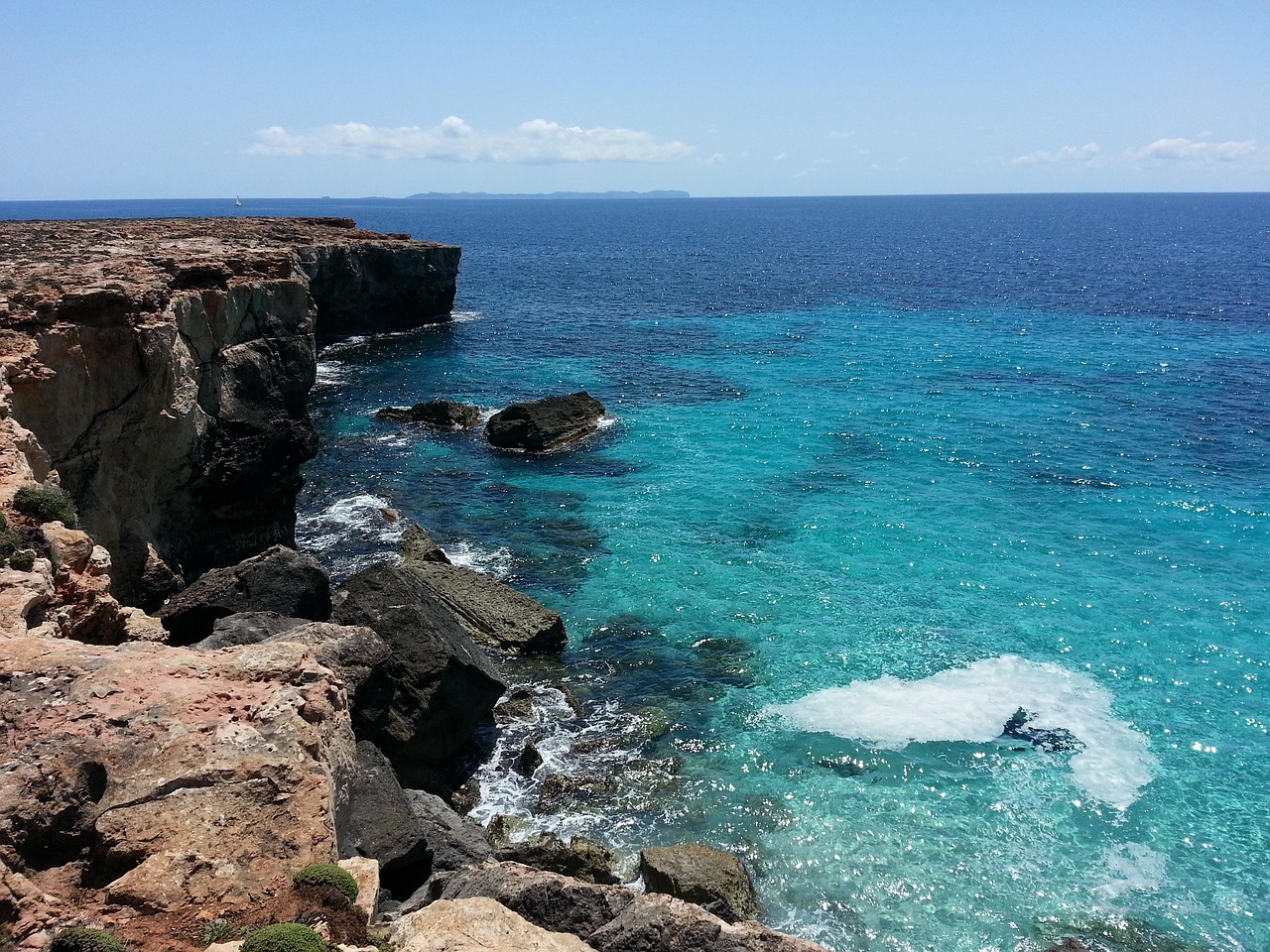
Four Islands, Four Distinct Mediterranean Moods
The Balearic Islands are an archipelago and autonomous community of Spain in the western Mediterranean, made up of Mallorca, Menorca, Ibiza and Formentera, plus smaller islets, with Palma as the capital. They are known for turquoise coves, limestone mountains, cultural heritage and one of Europe's most developed holiday economies. Catalan, in its Balearic form, is spoken alongside Spanish, and each island keeps a clearly separate identity: Mallorca is the largest and most varied, Menorca the greenest and calmest, Ibiza the most cosmopolitan, and Formentera the barefoot, sand-edged retreat.
Recognition from UNESCO shows how much depth lies behind the beaches. The Serra de Tramuntana in Mallorca was inscribed as a cultural landscape in 2011, Ibiza's walled Dalt Vila and its seagrass meadows were listed in 1999, and the prehistoric monuments of Talayotic Menorca joined the list in 2023. Menorca has also been a UNESCO Biosphere Reserve since 1993. For travellers who know Malta or Corsica, the Balearics offer a similar blend of ancient stone and bright water, with far greater choice of stays.
Coves, Mountains and Island Flavours
Each island has its signature. Mallorca offers the dramatic Tramuntana mountains, walled Palma and cycling roads; Menorca has quiet creeks such as Cala Macarella and pale cliffs along its protected coast; Formentera's Ses Illetes is famed for its shallow, glass-clear water. Ibiza adds sunset terraces, hippy-era markets and a lively nightlife heritage alongside its old town. A sailing week linking all four is a classic, and the short sea crossings make island-hopping easy.
Flavour is just as distinctive. Mallorca brings the spiral pastry known as ensaimada and the paprika-rich sausage sobrassada; Menorca produces Mahon cheese and a juniper-scented gin with a long local tradition, and serves caldereta de langosta, a rich lobster stew; Ibiza has its herb liqueur and a strong market scene. A tourist board could showcase the islands as a single archipelago brand while giving each one its own chapter, a structure that suits both mature markets and new audiences.
Choosing Your Season and Your Island
Late spring and early autumn are widely loved for warm sea, long daylight and quieter paths, while July and August bring the peak of beach life and festival energy. Winter is gentle and green, with almond blossom on Mallorca in late winter and walking and cycling at their best. The islands are well connected from the UK by direct flights, with Palma, Ibiza and Menorca each having an airport, and ferries link the islands with each other and with the mainland, including Barcelona in Catalonia.
For families, Mallorca's wide bays and Menorca's calm creeks suit best, while couples and design lovers gravitate to Ibiza's boutique stays and Formentera's easy pace. Culture seekers will be drawn to Palma and Menorca's talayotic sites. A single hub like Balearic.co.uk lets hotels, boards and airlines tell the whole story, and the wider Mediterranean and Spain guides show how the archipelago fits into a longer European itinerary.
Choosing the Right Island and the Right Stay
The four islands suit different stays, and the archipelago rewards a little matching. Mallorca has the widest choice: city palaces and design hotels in Palma, mountain fincas above Sóller and Deià, sheltered family bays at Alcúdia and Pollença, and marina-side resorts along the south-west. Menorca favours slow, low-rise stays, whitewashed villas and farmhouse hotels around Ciutadella and Mahón, which suit families and couples who prize calm creeks. Ibiza ranges from boutique country retreats and wellness hideaways to sleek beach hotels at Santa Eulària and Cala Jondal, while Formentera offers simple seaside lodgings, cyclists' guesthouses and a barefoot pace for those who want little more than sand and sky.
Style of stay matters as much as the island. Historic townhouses in Palma and Ciutadella give culture seekers real architecture, while converted fincas and country estates suit groups and honeymooners who want olive groves and a pool. Beach resorts with kids' clubs make family weeks effortless, and sailing-led holidays use the short sea hops between islands as the hotel itself. Golfers will find courses across Mallorca, divers favour the clear coves of Menorca and Formentera, and walkers choose stays on the Tramuntana trails. A booking platform could group all of this by island and by traveller type.
Sobrassada, Salt and Island Festivals
Beyond the signature dishes, each island keeps small traditions alive. Salt is part of the story: Ibiza's Ses Salines and Formentera's salt pans have long supplied the kitchens, and flor de sal appears on tables as a local luxury. Mallorca's coca de trampó, a vegetable flatbread, and arròs brut, a rich rice dish, share menus with fresh sea bass and prawns from Sóller. Menorca is known for its leather and sandals, the avarcas, and Ibiza for adlib fashion and handmade espadrilles. Pottery, glassblowing and Majorica pearls round off the craft shopping, and local almond cakes arrive with coffee as a matter of course.
The calendar is lively through the year. Mallorca welcomes almond blossom and village markets in late winter, Menorca's Sant Joan festival in Ciutadella in late June is famed for its horsemen and crowds in the old harbour, and Ibiza's old town hosts a medieval fair in May. Summer brings open-air concerts and fiestas of the patron saints, while autumn offers cycling events and quiet, golden light. Holy Week processions in Palma and Ciutadella are solemn and beautiful, and Christmas markets round off the year. Guests who plan around these dates meet islanders at their most welcoming.
Sailing, Cycling and Island-Hopping Itineraries
Active travellers are well served. Sailing is the archipelago's natural sport, with routes from Palma to Cabrera, Ibiza and Formentera, and Menorca's sheltered Mahón harbour, among the largest natural harbours in the Mediterranean. Cycling is a year-round love, with Mallorca's mountain passes and flat Menorcan lanes, and the Camí de Cavalls, a bridle path that circles Menorca, doubles as a superb coastal walk. Diving centres work around the Cabrera archipelago, Formentera's seagrass meadows and Menorca's reefs. Yoga and wellness retreats have become a signature of Ibiza and Mallorca, especially in spring and autumn when the sea air is gentle.
A well-built holiday joins two islands: Mallorca and Menorca for green hills and quiet creeks, or Ibiza and Formentera for sunsets and sand. Mainland ferries link the group with Alicante and Barcelona, so a Costa Blanca city stay can open or close the journey. Beyond Spain, travellers who like island variety also look at Sardinia and the Canary Islands for comparison. Within the archipelago, the guides to Mallorca, Ibiza and Palma go deeper, and a short stay on each makes a memorable two-week story.
Planning your stay
Mallorca is the largest and the most varied, with a capital city, mountain villages and family resorts. Menorca is quieter and flatter, known for its protected coastline and small coves. Ibiza combines its club reputation with calmer beaches and villages, and Formentera, the smallest of the inhabited islands, is reached by boat from Ibiza.
Our guides cover the main islands in detail: Mallorca for family and walking holidays, Ibiza for nightlife and beaches, and Palma for a city break. The islands are linked by ferry and by short flights, but most UK visitors choose one island and stay there.
When to go
May, June, September and early October are warm, less crowded and better value, and suit walkers, cyclists and sailors. July and August are the hottest and most expensive months. In winter the islands are mild but quiet, and many resort hotels, beach clubs and restaurants close, so check what is open before you book.
Balconies and the sea
At the beach, follow the flag system, because a red flag means you must not enter the water. Waves can come in further than expected on unmonitored beaches, and strong undertows are possible around the islands. Do not dive into unknown water, because hidden rocks or shallow depths can cause serious injury.
Entry rules and getting there
The islands follow Spanish Schengen rules. At Palma, Ibiza or Menorca airport, a passport issued under 10 years before arrival and valid for three months beyond your departure date is needed for a stay of up to 90 days in any 180.
British Airways gives flight times from London of 2 hours 30 minutes to Menorca, 2 hours 30 minutes to Palma and 2 hours 20 minutes to Ibiza.
Before you travel
Entry requirements and official travel guidance are updated regularly, so check the latest position with your government before booking. The sources we used are listed at the foot of this page.
Why the Balearics matter to the industry
The Balearics are one of the UK's most booked island groups, and competition between islands, hotels and airlines is intense. Balearic.co.uk lets a tourist board, hotel group or airline publish clear answers on seasons, rules and routes, and our AI platform carries them to searchers.
Mainland alternatives are covered in our guides to Catalonia, Alicante and Benidorm, and our Spain guide gives the national picture.
Questions travellers ask about The Balearic Islands
Which Balearic island is best for families?
Mallorca has the widest choice of family resorts and beaches, while Menorca is quieter and suits calmer holidays. Ibiza has family beaches too, but is better known for nightlife.
When is the best time to visit the Balearic Islands?
May, June, September and early October are warm, quieter and better value. July and August are hottest and busiest, and many businesses close in winter.
Do I need a visa for the Balearic Islands?
Holiday stays of up to 90 days in any 180 need no visa, whichever island you choose. Your passport must be under 10 years old on arrival and have three months left after you plan to leave the Schengen area, on any of the four islands.
Which Balearic island is best for first-time visitors?
Mallorca is the usual first choice thanks to its variety: Palma's cathedral, the Tramuntana mountains, family beaches and plenty of stays. Menorca suits those wanting calm coves, Ibiza those wanting style and music, and Formentera a barefoot beach escape.
When is the best time to visit the Balearic Islands?
May, June and September to October are favoured for warm sea, long days and relaxed pace. July and August are the peak beach and festival months, while winter suits walking, cycling and almond blossom on Mallorca.
Which Balearic island suits families best?
Mallorca and Menorca are the usual family choices. Mallorca has wide, sandy bays such as Alcúdia and Pollença and many resorts with kids' clubs, while Menorca offers calm, shallow creeks, easy cycle paths and a quieter pace for younger children.
What can I do on the Balearic Islands outside summer?
Spring and autumn suit walking the Tramuntana, cycling, sailing and yoga retreats, while winter brings almond blossom in Mallorca and cultural visits in Palma and Ciutadella. Many hotels, restaurants and museums stay open, and the light is lovely for photography.
In the Visit Travel Group portfolio: Balearic.co.uk, BalearicIslands.co.uk.