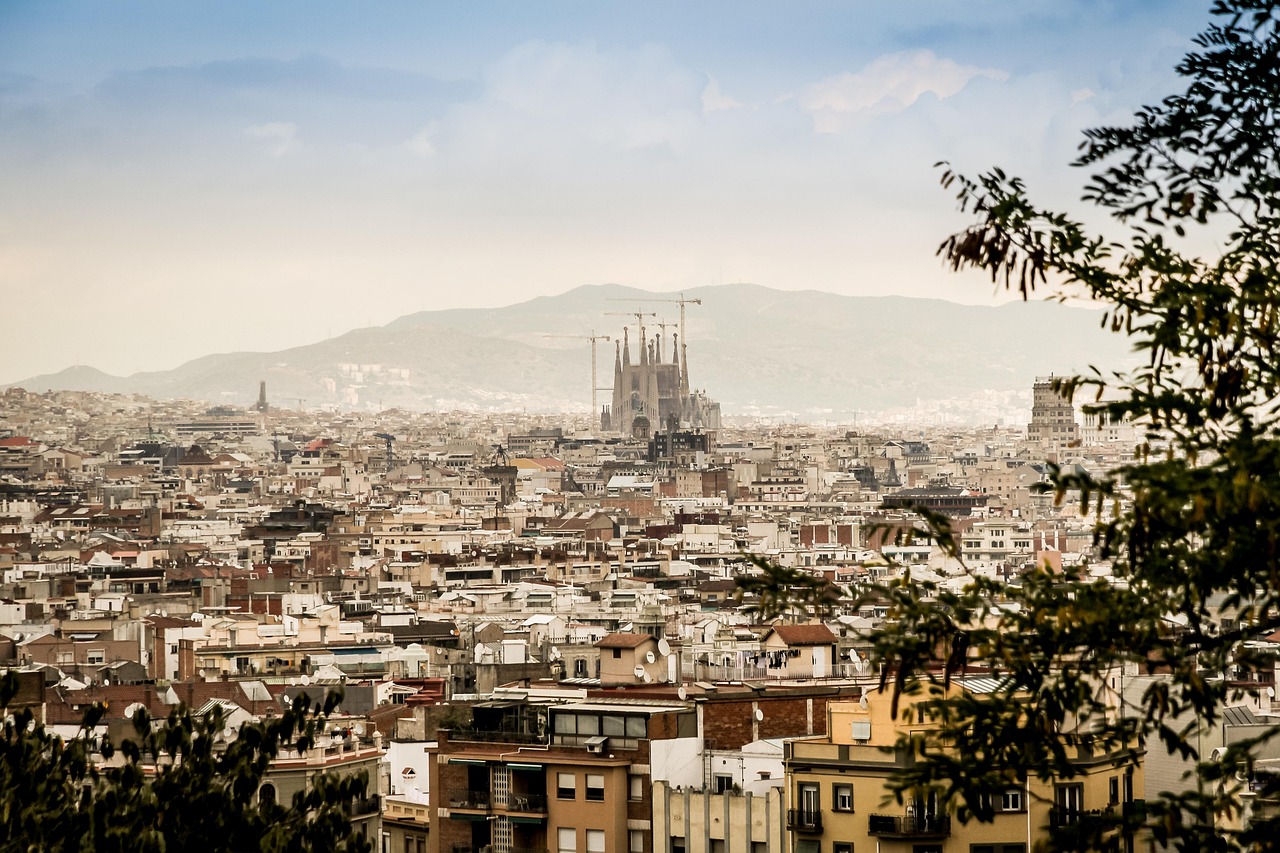
Gaudí, Beaches and Mountains in One Region
Catalonia is an autonomous community in north-east Spain, bounded by the Pyrenees and the Mediterranean, known for Barcelona, Gaudí's architecture, the Costa Brava, a distinct language and a celebrated food culture. Its capital, Barcelona, holds several of Antoni Gaudí's works, including La Sagrada Família, Park Güell and Casa Milà, which are inscribed together on the UNESCO World Heritage list, while the region adds Roman Tarraco, Poblet Monastery and the Vall de Boí Romanesque churches to the roll of heritage sites. Catalan is spoken alongside Spanish and defines the culture.
The landscape spans a great range within a few hours' drive. The Costa Brava, north of Barcelona, is a run of pine-backed coves and old fishing villages such as Cadaqués, Calella de Palafrugell and Tossa de Mar, while the Pyrenees offer high valleys, ski areas and walking trails. Inland, Girona's medieval quarter and colourful riverside houses make a favourite day trip, and Montserrat's serrated mountain, with its Benedictine monastery, rises above the plain. Such variety is why Spain has so many repeat visitors, and why Catalonia stands out within it.
Dalí, Cava and a Table Worth the Journey
Culture here is bold and participatory. The Dalí Triangle links the theatre-museum in Figueres, the house in Portlligat near Cadaqués and the castle at Púbol. Castells, the human towers built at village festivals, are on UNESCO's intangible heritage list, and Barcelona's La Mercè in September fills the streets with giants, fire runs and music. On 23 April, Sant Jordi turns the city into a market of books and roses, an annual celebration that visitors can easily join and a lovely story for a tourist board to tell.
Food and wine are equally compelling. Penedès is the home of cava, Priorat produces powerful red wines from steep slate slopes, and the cuisine includes pa amb tomàquet, crema catalana, calçots in late winter, seafood rice dishes and a modern kitchen scene that made the region a global name. The Ebro Delta adds rice fields and birdlife in the south. The region links naturally to the Balearic Islands by ferry and air, and to the French Riviera along the Mediterranean arc.
When to Go and How to Connect
Spring and autumn offer ideal conditions for city walking, wine routes and coastal paths, while summer is the season for the Costa Brava's beaches and village festivals. Winter brings skiing in the Pyrenees and calçot season, a lively regional tradition. Barcelona's airport receives frequent direct flights from the UK, taking around two hours, with Girona and Reus also useful for the coast, and fast trains link Barcelona with Madrid and with France.
A stay can easily blend city and coast: a few days in Barcelona, then a hire car along the Costa Brava or a train to Girona. For airlines and hotel groups, the region offers a layered portfolio of design hotels, rural masias and beach retreats. A name such as VisitCatalonia.co.uk provides a single, memorable home for that story, and the neighbouring guides to Mallorca and the Mediterranean show how Catalonia fits within a wider European sun-and-culture season.
From Gothic Barcelona to Costa Brava Coves
Catalonia gives each traveller a distinct base. In Barcelona, the Eixample suits design lovers with its grand modernist apartments turned hotels, the Gothic Quarter and the Born put medieval lanes at the door, and Gràcia and Barceloneta bring village squares and seafront life. Along the Costa Brava, Begur, Calella de Palafrugell and Cadaqués offer whitewashed villas, small beach hotels and coves for couples, while Tossa de Mar and Sant Feliu de Guíxols suit families who like a lively promenade and clear water. Girona's old quarter has boutique stays in medieval houses and is a favourite of cyclists.
Further south, the Costa Daurada has the sand and the sunshine, with Sitges for elegant seaside style, Tarragona for Roman heritage and Salou for family resorts close to PortAventura. Penedès wine estates and rural masias give groups and honeymooners vineyard views and slow lunches, while the Pyrenees, including La Cerdanya, the Val d'Aran and the Vall de Boí, offer mountain lodges, ski chalets in winter and walking hotels in summer. In every corner, Spain's richest regional identity shines through, and an airline could link Barcelona with each of these in a single multi-stop story.
Escalivada, Fideuà and a Year of Festivals
Catalan cuisine rewards curiosity. Escalivada, smoky roasted vegetables with olive oil, suquet de peix, a fisherman's stew, fideuà, a noodle cousin of paella, and botifarra sausage with white beans are staples, followed by mel i mató, fresh cheese with honey, or panellets, almond sweets eaten around All Saints. The Boqueria market in Barcelona is a feast of colour, and Girona's El Celler de Can Roca is one of the world's most celebrated restaurants, a symbol of the region's creative kitchens. Coffee and a pastry in a neighbourhood bakery is part of the daily rhythm.
Culture is just as rich. Barcelona has the Palau de la Música Catalana and the Hospital de Sant Pau, both UNESCO-listed modernist masterpieces, and museums devoted to Picasso, Miró and Catalan art. The festival year begins with the Three Kings parade in January, carnival in Sitges in February, and Girona's flower festival in May, with courtyards turned into gardens. Sant Joan bonfires light the beaches on 23 June, Gràcia's street decoration contest fills August, and Tarragona's Santa Tecla festival in September brings giants and human towers. The Patum of Berga is another living tradition, recognised by UNESCO.
Cycling, Skiing and Day Trips from Barcelona
Active guests will find endless choices. Girona is one of Europe's favourite cycling bases, with quiet lanes into the Garrotxa volcanic zone and the Costa Brava hills, and the Camí de Ronda coastal path links coves on foot. Divers head for the Medes Islands marine reserve, kayakers paddle around Cap de Creus, and walkers climb among the rock needles of Montserrat. Winter skiing at Baqueira-Beret in the Val d'Aran and the Cerdanya resorts is a short journey from Barcelona, and in spring the Ebro Delta becomes a haven for flamingos and other birdlife.
Day trips from Barcelona include Montserrat, Sitges, Tarragona's Roman amphitheatre and the Cistercian monastery of Poblet, while Figueres and Cadaqués open the Dalí trail and Girona's old town is just over an hour away by fast train. The Balearic ferries link the region with Palma and Ibiza, and cross-border travellers can continue by rail to Marseille and the south of France. For airlines and hotels, a stay can be built around cycling, food or architecture, and the wider Mediterranean guide places Catalonia in a bigger regional journey.
Planning your stay
Barcelona is the region's capital and the main draw for UK visitors, with architecture, food, museums and city beaches. North of the city, the Costa Brava has rocky coves and fishing towns, with Girona and its old quarter inland. South of Barcelona, Tarragona has Roman remains, while the Pyrenees offer hiking in summer and skiing in winter.
Catalonia is a large region, so choose a base to match your trip. Our Spain guide sets out the national rules, and the Balearic neighbours, Mallorca and the wider Balearic Islands, are a short flight away for a combined holiday.
When to go
Spring and autumn are warm and comfortable for city sightseeing, and the beaches are at their best from June to September. Barcelona is busy for much of the year, so book popular attractions and restaurants early. Winter is mild on the coast, with snow in the Pyrenees.
Driving, vehicles and mountains
Check the rules before you drive into the city, or use public transport.
It also notes that Catalonia has started billing climbers, skiers and other adventurers whose negligent behaviour causes them to need rescue.
Entry rules and the border
Catalonia follows Spanish Schengen rules. Entering through Barcelona El Prat or Girona, you need a passport issued under 10 years before you arrive and valid for three months beyond your departure, with a stay of up to 90 days in any 180.
At El Prat the Entry/Exit System may take fingerprints and a photo on your first visit, at no cost, and can add time at the border. British Airways lists the London to Barcelona flight at 2 hours, so a short break is practical, but allow extra time on departure day.
Before you travel
Entry requirements and official travel guidance are updated regularly, so check the latest position with your government before booking. The sources we used are listed at the foot of this page.
Why Catalonia matters to the industry
Catalonia combines a global city, a coast and mountains, so partners need to speak to several audiences at once. VisitCatalonia.co.uk lets a tourist board, hotel group or airline publish clear guidance on Barcelona, the coast and the Pyrenees, and our AI platform carries it to searchers.
For other east coast options see Alicante and Benidorm, and browse the destination guides for comparisons.
A practical point for planners: visitors to Catalonia often combine Barcelona with the coast or the mountains, so questions about vehicle rules, rail links, mountain rescue costs and strike disruption arise early. Pages that answer them in plain English help reservations teams and give airlines and online travel agencies reliable text to quote.
Questions travellers ask about Catalonia
How long is the flight from London to Barcelona?
British Airways gives 2 hours for the flight from London to Barcelona El Prat.
Do I need a visa for Catalonia?
Catalonia needs no visa for a UK visitor staying up to 90 days in any 180. Your passport must be under 10 years old when you reach Barcelona or Girona and valid for three months after you plan to leave the Schengen area.
What is Catalonia best known for?
Catalonia is best known for Barcelona and Gaudí's architecture, the Costa Brava, Dalí's museums, cava and Priorat wines, and a strong food culture. It also has Roman Tarragona, Girona's old town and the Pyrenees.
How long is the flight from the UK to Barcelona?
Direct flights from the UK to Barcelona take around two hours. Girona and Reus airports also serve the Costa Brava and the south coast, and fast trains connect Barcelona to the rest of Spain.
Where should I stay in Catalonia for a first visit?
Start in Barcelona, in the Eixample, Gothic Quarter or Born, then add a few nights on the Costa Brava around Begur or Cadaqués. Girona makes a charming third stop, and Sitges suits those who want a beach close to the city.
What food should I try in Catalonia?
Try pa amb tomàquet, escalivada, fideuà, botifarra with white beans, suquet de peix and crema catalana. In winter, calçot season is a joy, and panellets and mel i mató are lovely sweet endings.
In the Visit Travel Group portfolio: VisitCatalonia.co.uk.