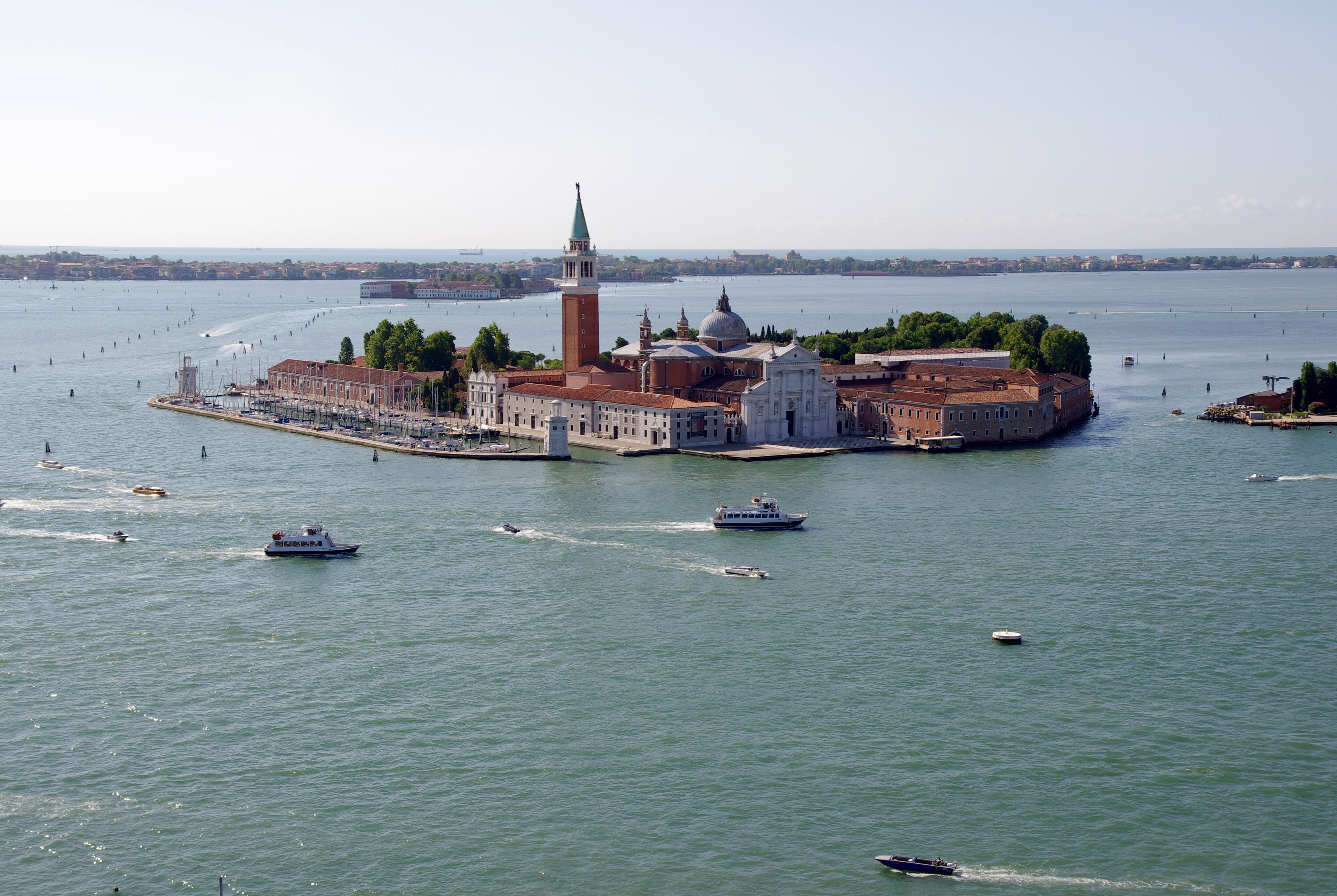
Venice's Seaside: Sand, Villas and Cinema
The Lido di Venezia is a long, narrow barrier island between the Venetian lagoon and the Adriatic Sea, about twelve kilometres from end to end, and the city's own seaside. A short vaporetto ride from St Mark's brings you to Santa Maria Elisabetta, where the pace slows at once: bicycles replace crowds, the avenues are lined with trees and Art Nouveau and Liberty-style villas, and the beach lies just beyond the main street. It is a very different Venice from the one in the guidebooks, calmer and sunlit, and the contrast is part of its charm.
The Lido's golden age began in the late nineteenth century, when Venice became a fashionable bathing resort. Two grand hotels still recall that era: the Hotel Excelsior, with its Moorish-flavoured facade, and the Grand Hotel des Bains, which gave its setting to Thomas Mann's Death in Venice. Each August and September, the Venice Film Festival, held since 1932 and the oldest in the world, brings red carpets to the Palazzo del Cinema, turning the island into a stage for international film.
Cycling, Beaches and Lagoon Villages
Cycling is the natural way to see the Lido. Flat paths run along the whole length of the island, past the villas of the central avenue, the old fishing village of Malamocco with its small piazza and low houses, and the lagoon-side nature reserve at Alberoni. On the sea side, the beaches of the Lido are broad and sandy, many run by beach establishments that offer cabins, loungers and lunch, with a free public beach nearby. The Adriatic shallows are gentle, which suits families and unhurried afternoons.
The island also keeps quiet cultural corners. The old Jewish cemetery near San Nicolo, among the oldest in Europe, and the church of San Nicolo itself link the Lido with the Republic of Venice's history. Restaurants along the lagoon serve fresh seafood, including sarde in saor and fritto misto, with a view back across the water. A hotel group with a Lido property can offer guests the beach and the museums in a single stay, with the city only minutes away by boat.
When to Go and How to Arrive
Beach season runs from late spring to early autumn, with June to September the warmest months, while spring and autumn suit cycling and long walks. The Film Festival, at the end of summer, gives the island a special glow. As a base, the Lido pairs the pleasures of Veneto with a restful retreat from the busiest Venetian streets, and Verona and Lake Garda are reached easily by train from the mainland. Further afield, Cortina d'Ampezzo offers mountains for a contrasting second leg.
Most visitors fly to Venice Marco Polo, from where a water bus or taxi connects to the Lido, and vaporetto lines run frequently from the city's main landing stages. Car ferries also link the Lido with the mainland. A name such as VisitVeniceLido.co.uk gives airlines and tourist boards a distinctive angle on Venice, and the guide to Italy shows how the Lido fits among the country's seaside and lagoon destinations.
Where to Stay on the Lido
The Lido's stays fall into three moods. Along the Gran Viale and the seafront near Santa Maria Elisabetta, grand early twentieth-century hotels and Liberty villas suit couples, film lovers and those who like a touch of old-world glamour, with beach cabins and terraces a short stroll away. In the villa streets behind, guesthouses and apartments suit families, with gardens, bicycles to borrow and the sea at the end of the road. At the quiet southern end, around Malamocco and Alberoni, small inns and holiday homes give a village feel, lagoon views and a slower rhythm, ideal for walkers, birdwatchers and cyclists.
The Lido also works as a strategic base for the whole of Venice. A vaporetto reaches St Mark's in around fifteen minutes, so guests can enjoy a morning among the basilicas and an afternoon on the sand, returning to a calm island at night without queues or crowds. Many Lido properties have gardens and pools, a rarity in Venice itself. Golfers can play at Alberoni's course, one of the oldest in Italy, and groups can take villas for celebrations. A hotel group could pitch it as a resort with a world-famous city next door, alongside nearby Veneto stays.
Film Nights, Lagoon Flavours and Island Crafts
The Lido's year turns around the water. Spring brings blossom in the villa gardens and the first beach days, summer fills the island with beach clubs and evening concerts, and late summer's Film Festival turns the Lungomare into a catwalk for directors and stars. In September, the Regata Storica draws attention to the Grand Canal across the water, and autumn brings misty lagoon mornings that suit long cycle rides. Winter is hushed and atmospheric, with the sea in moody greys. The island also hosts the Festa di San Nicolo, recalling the Venetian fleet's historic departure, a reminder that the Lido was once the republic's gateway to the Adriatic.
Food here is lagoon-led. Local restaurants serve soft-shell crab known as moeche in season, grilled sea bass, spaghetti with clams and cicchetti, small plates of seafood and polenta, while artichokes from the nearby island of Sant'Erasmo, known as castraure, are prized in spring. Coffee and a pastry in a seafront cafe is the morning ritual. Craft traditions of the lagoon, such as glass at Murano and lace at Burano, are a short boat ride away. For a different angle on Italian beaches, Liguria's coast offers a very different Riviera, while Verona provides an operatic city contrast.
Cycling Days and Lagoon Island Hopping
A bicycle is the best key to the Lido. Rent one near the vaporetto stop and ride the length of the island, stopping at the Murazzi sea walls, the lagoon-side paths and the old fortifications at the southern tip. Birdwatchers will enjoy the Alberoni nature reserve, where dunes and pine woods shelter many species, and kitesurfers and paddle-boarders use the open stretches of coast. Families can build days around the beach, a picnic and a ferry ride, while wellness seekers can combine yoga on the sand with hotel spa treatments. Historians can follow the trail to the Jewish cemetery and the fortress of San Nicolo.
From the Lido, the lagoon unfolds. Boats reach Murano, Burano and Torcello, where the oldest mosaics in the lagoon glow in the cathedral, and Pellestrina, a long, narrow island of fishing villages and pastel houses, is reached by bus and ferry. Chioggia, the lagoon's south-end fishing town, makes a lovely summer day trip. On the mainland, trains from Venice reach Padua, Vicenza and Verona, and Lake Garda is within easy reach for an inland lake day. Airlines can use the airline partners page to present the Lido as a city-and-beach pairing, with Venice as the cultural highlight.
Planning your stay
The Lido separates the lagoon from the Adriatic, and it is the part of Venice where cars, bicycles and beach clubs are part of daily life. The seafront has grand hotels and Art Nouveau villas, and the island is home to the Venice Film Festival at the end of the summer. It makes a calm base for visiting Veneto without staying in the busiest streets.
From the Lido, central Venice is a short vaporetto ride, and trains from Verona and Milan reach Venice's station. Travellers looking for lakes instead can take in Lake Garda, and those planning a wider Italian trip can start with our Italy guide.
When to go
The beach season runs from late May to September, and the sea is warmest in July and August. The film festival in late summer fills hotels and raises prices, so check dates before you book. Spring and autumn are quieter and suit walking and cycling, while winter is cool and many beach clubs close.
On the Venice Lido, the Foreign, Commonwealth and Development Office says high waters are a common occurrence in Venice and can cause flooding in parts of the city, and that heavy rainfall is common across Italy in winter. If you are staying on the island in the cooler months, check the forecast and local advice.
Book early for the festival period, because the island has far fewer rooms than Venice itself and the best properties sell out well ahead of the programme being announced.
Getting there and around
Fly to Venice Marco Polo airport, about two hours from London, then take a water bus to the city and a vaporetto to the Lido. Treviso and Verona airports are alternatives. On the island you can walk, hire a bicycle or use local buses, and cars cross by ferry, although most visitors do not need one.
Check vaporetto times before late evening, and carry the right ticket. Only use officially licensed taxis.
Before you travel
Entry requirements and official travel guidance are updated regularly, so check the latest position with your government before booking. The sources we used are listed at the foot of this page.
Why Venice Lido matters to the industry
The Lido is a distinct market for beach, cycling and festival stays beside one of the most visited cities in the world. VisitVeniceLido.co.uk lets a hotel group, tourist board or airline publish clear answers on access and seasons, and our AI platform carries them to assistants.
Browse our other destination guides, or read the OTA page on how booking platforms can describe the island accurately.
Questions travellers ask about Venice Lido
How do I get to the Lido from Venice?
Take a vaporetto from central Venice. The crossing is short, and you should validate any ticket bought from a kiosk or machine before you travel.
When is the Venice Film Festival?
It takes place at the end of the summer. Check the official dates before booking, because hotels fill and prices rise during the festival.
What is the Venice Lido best known for?
The Lido is best known as Venice's beach island, with sandy Adriatic shores, Art Nouveau villas, historic hotels and the Venice Film Festival, which has been held there since 1932. It offers a calm, cycling-friendly contrast to the main city.
How do I get to the Lido from Venice?
Take a vaporetto from St Mark's or the main landing stages to Santa Maria Elisabetta, a short ride across the lagoon. Car ferries and water taxis also serve the island, and Venice Marco Polo airport is the usual gateway.
Is the Lido a good place to stay when visiting Venice?
Yes. The Lido is a calm beach island a vaporetto ride from St Mark's, with seaside hotels, villas, gardens and often more space than the historic centre. Guests enjoy Venice by day and return to sand, bicycles and quieter evenings.
What can I do on the Lido besides the beach?
Cycle along the island, visit Malamocco village and the Alberoni nature reserve, see the historic Jewish cemetery, and take boats to Murano, Burano, Torcello and Pellestrina. Film Festival evenings bring red-carpet glamour at the end of summer.
In the Visit Travel Group portfolio: VisitVeniceLido.co.uk.