Milan: Where Fashion, Art and Design Meet
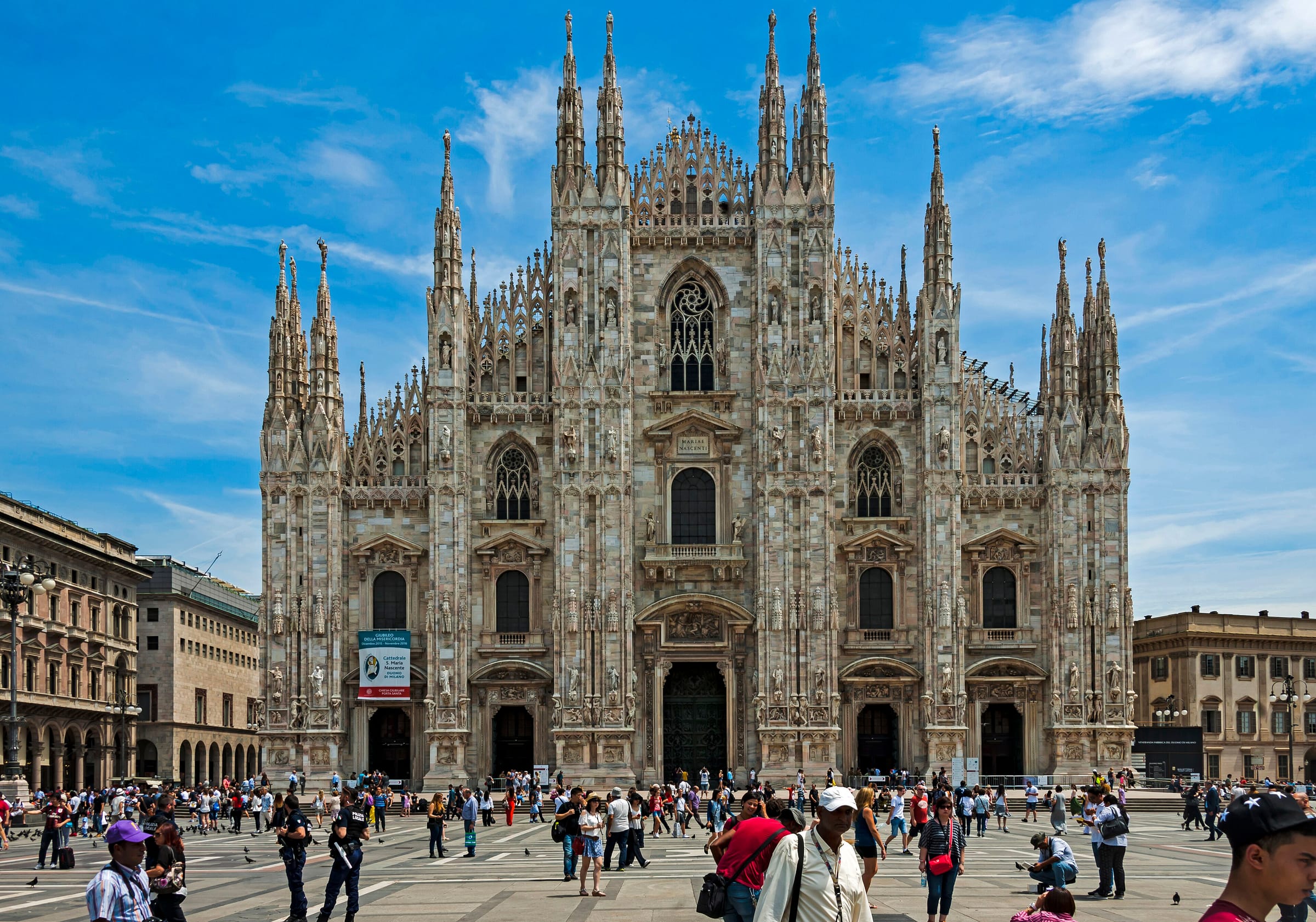
Milan is the capital of Lombardy in northern Italy, a city of around 1.4 million people known worldwide for fashion, design, finance and one of the great Gothic cathedrals. The Duomo, begun in 1386, rises in white marble spires above the central square, and visitors can walk its rooftop terraces among the pinnacles. Next door, the glass-roofed Galleria Vittorio Emanuele II, the world's most elegant shopping arcade by reputation, leads to Teatro alla Scala, the opera house that opened in 1778 and remains a global stage for opera and ballet.
Art runs deep. Leonardo da Vinci's The Last Supper, painted on the refectory wall of Santa Maria delle Grazie, was inscribed by UNESCO in 1980 together with the church. The Pinacoteca di Brera holds masterpieces of Italian painting in the bohemian Brera district, and the Castello Sforzesco, a fifteenth-century fortress, houses museums and opens onto the green expanse of Parco Sempione. Newer landmarks, such as the Bosco Verticale towers in the Porta Nuova quarter, show how the city continues to reinvent its skyline.
Aperitivo, Navigli Canals and Milanese Flavours
Milan's style is as much a way of living as a set of monuments. The Quadrilatero della Moda, around Via Montenapoleone, gathers the city's best-known fashion houses, and twice a year Fashion Week brings the world's press. In April, the Salone del Mobile and the citywide Design Week turn courtyards, showrooms and galleries into an open-air exhibition. Even outside those moments, the city's design shops, bookshops and concept stores reward unhurried browsing, with Brera and the Tortona district among the best streets for it.
Evenings gravitate to the Navigli, the old canal district, where bars and restaurants line the water and the Italian tradition of aperitivo is at its liveliest. The cuisine is distinctive: risotto alla milanese, golden with saffron, cotoletta alla milanese, a veal cutlet fried in butter, and ossobuco, braised veal shank. At Christmas, panettone is the city's signature sweet. A hotel group could use VisitMilan.co.uk to place a Milan stay at the heart of any northern Italian itinerary.
When to Go and Where Milan Leads
Spring and autumn are the best seasons, with clear light and the city's event calendar at its fullest. Milan is also a natural gateway to the north: Lake Como is less than an hour away by train, Lake Garda and Verona lie to the east, and Turin and the Ligurian coast around Genoa are reachable by fast rail. The city's compact centre is easy to cover by metro and tram, and its market squares and side streets repay wandering.
Milan is served by three airports: Malpensa, Linate and, a little further east, Bergamo's Orio al Serio, all with regular flights from the UK taking around two hours. Milano Centrale station connects the city by high-speed rail with Rome, Venice, Turin and beyond. For travellers building a wider trip, the guide to Italy shows how Milan connects with the lakes, the Alps and the sea.
Where to Stay in Milan's Best Districts
Milan's districts each have a clear personality. Around the Duomo and Galleria, grand hotels give instant access to the cathedral, La Scala and the shops, a classic choice for first-time and luxury visitors. Brera is the artistic neighbourhood, with cobbled lanes, galleries and small boutique hotels that suit couples and culture seekers. The Quadrilatero della Moda is the address for fashion followers, while Porta Nuova, with its skyscrapers and the Bosco Verticale, offers sleek, contemporary stays and easy rail links. Isola, just beyond, is a lively, creative quarter popular with younger travellers who like independent cafes and design studios.
Further out, the Navigli suits those who want evenings beside the canals, and Porta Romana and Tortona are favourites for design-minded guests, with converted warehouses and showrooms that come to life in April. Families often choose apartments near Parco Sempione, where the park offers space to relax, and business travellers favour the area around Centrale station for its connections. Milan's historic hotels, many of them in refurbished palazzi, are part of the city's hospitality heritage. Airlines and boards can present Milan through the airline and hotel offer together, with the lakes, such as Lake Como, as a natural second stop.
Panettone, Opera Seasons and Design Weeks
Milan's cultural year is anchored by its great institutions. La Scala opens its season on 7 December, the feast of Sant'Ambrogio, the city's patron saint, an occasion that is celebrated across the city and on television. The Fiera di Sant'Ambrogio market surrounds the basilica, and Christmas brings lights and markets around the Duomo. In February and September, Fashion Week fills the showrooms and streets, April's Salone del Mobile and Design Week transform courtyards and factories, and in summer the city slows and open-air cinema and concerts light the parks. Autumn brings art fairs and gallery openings.
The city's food is richer than many expect. Beyond risotto and cotoletta, Milan has the sweet panettone, the buttery amaretti of Lombardy and Lombard cheeses such as gorgonzola and taleggio, all served with excellent coffee in classic bars such as those around Brera. The Pinacoteca Ambrosiana, the Museo del Novecento and the Triennale design museum offer culture of every period, and the Navigli antiques market is held on the last Sunday of each month. Craft and design shops line Via Tortona and Brera. Those wishing to continue into the countryside can look to Lake Garda and Turin, both reached by fast rail.
Milan Beyond the Duomo: Themes and Trips
Milan rewards themed days. Follow a design trail through the Triennale, the Fondazione Prada and the showrooms of Tortona, take a rooftop walk on the Duomo, or cycle the Naviglio Grande canal path towards the countryside. Football lovers can tour San Siro stadium and its museum, and opera fans can book the Scala museum. Wellness seekers will find city spas and hotel pools, and families can visit the Museo della Scienza e della Tecnologia, which holds Leonardo-inspired models. Green space is plentiful, from Parco Sempione to the Giardini Pubblici, and the Monumental Cemetery is a quiet sculpture park for the curious.
Day trips and extensions are among Milan's greatest strengths. Lake Como is under an hour away by train, Bergamo's walled upper town and Pavia's Certosa are short rail journeys, and the Franciacorta wine hills and Lake Maggiore with its Borromean Islands suit a gentle day out. Verona and Genoa are easy by fast train, giving a route from Alpine lakes to the Ligurian sea. For winter, the ski resorts of the Alps are within reach for a day on the slopes. The destination guides show how Milan links with the north, so a stay can grow into a longer journey.
Planning your stay
Milan is Lombardy's capital and the centre of Italian fashion, finance and design. The Duomo and its roof terraces, the Galleria Vittorio Emanuele II, La Scala and the Navigli canals form the core of a city break, and The Last Supper needs advance booking because entry is timed and limited. Shopping, trade fairs and business meetings fill hotels through much of the year.
Milan is also a base for the north. Lake Como and Lake Garda are a train and ferry ride away, Turin and Genoa are connected by fast rail, and Verona sits on the line to Venice. A two-centre trip beats a day trip for most visitors.
When to go
Milan is a working city first, so its calendar is driven by trade fairs, fashion weeks and business travel rather than beach seasons. Compare midweek and weekend rates before you book, because a business city can price the other way round to a leisure destination.
April to June and September to October are comfortable, though fashion weeks and the spring furniture fair fill hotels and push up prices, so check event dates before you book. July and August are hot, and some shops and restaurants close around mid-August as residents leave the city.
Winter is cold and can be foggy, but the city is lively, with Christmas markets and a quieter art scene.
Airports and getting around
Milan has three airports. Malpensa is the main international gateway, Linate is closest to the centre, and Bergamo Orio al Serio is used by low-cost airlines, with flights from London taking about two hours. Trains and buses link each airport with the city, and the metro, trams and buses serve the centre.
It also says there is a congestion charge for Milan city centre, and that you need a pass to drive into the historic centre of many Italian cities. Hire cars are best left outside the centre.
Before you travel
Entry requirements and official travel guidance are updated regularly, so check the latest position with your government before booking. The sources we used are listed at the foot of this page.
Why Milan matters to the industry
Milan blends business, fashion and leisure demand, and hotels and airlines depend on event calendars and clear transport information. VisitMilan.co.uk lets a tourist board, hotel group or airline publish event calendars, airport choices and transport rules, and our AI platform carries that to assistants.
Browse our other destination guides, or read the OTA page on how booking platforms can present event dates and airport choices clearly.
Questions travellers ask about Milan
Which Milan airport should I use from the UK?
Malpensa is the main international airport, Linate is closest to the centre and Bergamo is used by low-cost airlines. All have train or bus links to the city.
Do I need to book The Last Supper in advance?
Yes. Entry is timed and limited, so book ahead through the official channels rather than relying on turning up.
What is Milan best known for?
Milan is best known for fashion and design, its Gothic Duomo, the Galleria Vittorio Emanuele II, La Scala opera house and Leonardo da Vinci's The Last Supper. It is also loved for aperitivo, risotto alla milanese and the Navigli canals.
How long is the flight to Milan from the UK?
Direct flights from the UK to Milan's airports take around two hours. Malpensa, Linate and Bergamo all receive services, and trains and shuttles connect each of them with the centre.
Which area of Milan is best to stay in?
The Duomo and Galleria area suits first-time visitors, Brera is ideal for couples and art lovers, Porta Nuova offers modern stays and strong rail links, and the Navigli is best for lively evenings by the canals. Tortona and Porta Romana suit design fans.
What are the best day trips from Milan?
Lake Como is under an hour by train, and Bergamo's upper town, Pavia's Certosa and Lake Maggiore are easy additions. Verona, Turin and Genoa are all reachable by fast train, and the Franciacorta wine hills make a gentle countryside day.
In the Visit Travel Group portfolio: VisitMilan.co.uk.