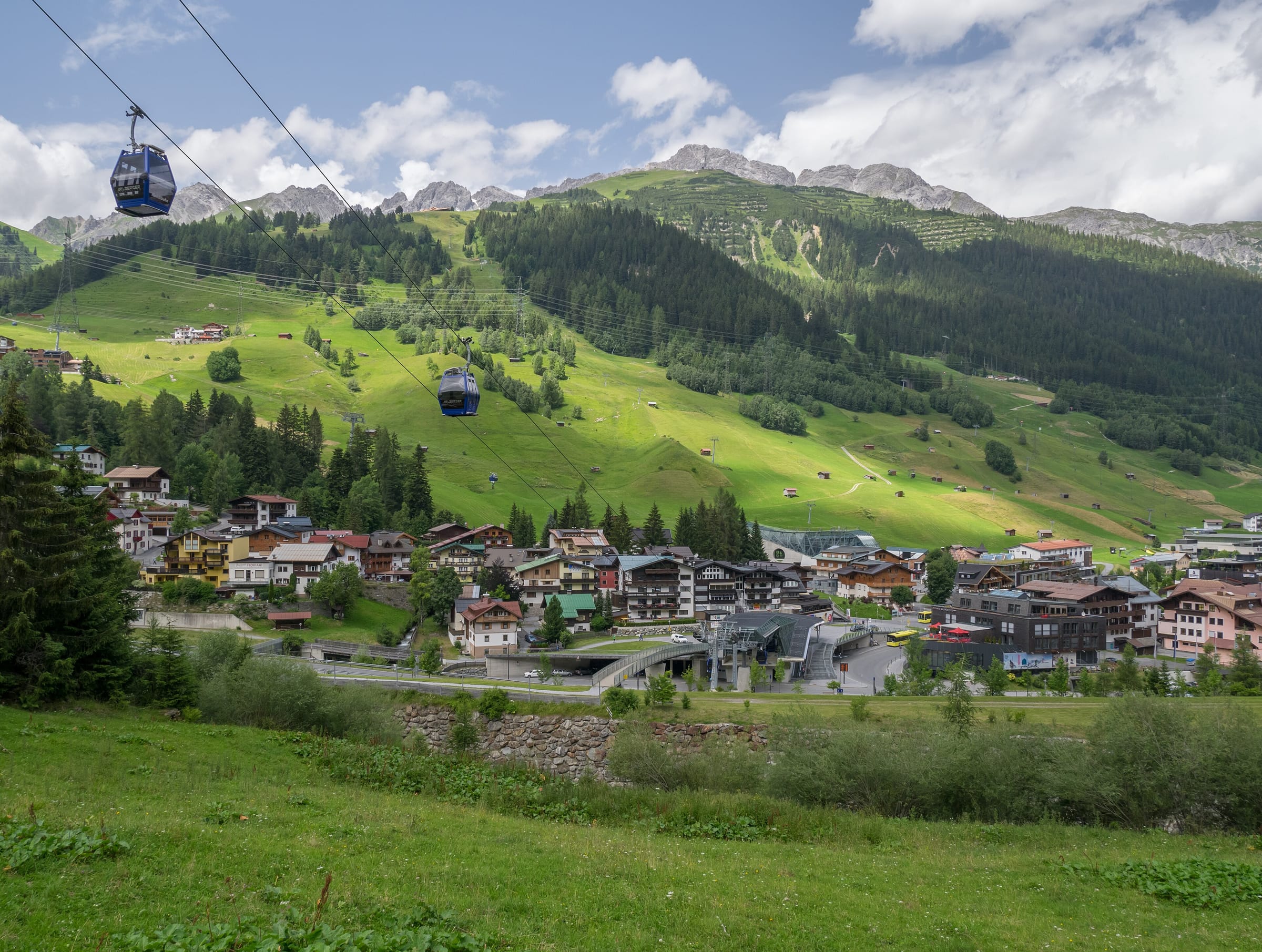
The Cradle of Modern Alpine Skiing
St Anton am Arlberg is a mountain village in the Austrian state of Tyrol, known as one of the founding places of modern alpine skiing and for its lively, sociable atmosphere. It sits at about 1,300 metres on the Arlberg pass, and the skiing is high, snow-sure and challenging. The village's ski school was founded in 1901, and the instructor Hannes Schneider developed the Arlberg technique here, which spread across the world and shaped the way people learn to ski.
That heritage still defines the place. St Anton is a village of timber chalets and family-run hotels with a strong skiing culture, and a high number of mountaineers and instructors live locally. The surrounding peaks, including the Valluga at around 2,800 metres, give it a dramatic backdrop, and the Arlberg railway station brings visitors directly to the village centre. Nearby, Kitzbühel offers a more historic town atmosphere, while Chamonix shares its mountaineering spirit on the French side.
Ski Arlberg, Valluga and Après-Ski Spirit
The ski area is the highlight. Ski Arlberg links St Anton with St Christoph, Stuben, Lech, Zürs and Warth-Schröcken, giving about 300 kilometres of pistes in one of Austria's largest connected areas. Wide, snow-sure slopes suit confident skiers, and the Valluga cable car offers access to high, guided off-piste routes. Beginners and families have their own gentle terrain at the village's edge, and the Rendl area on the opposite side of the valley offers quieter slopes and sunny terraces.
Off the slopes, the village has a well-known après-ski culture, with lively terraces and mountain huts at the base of the slopes, and a warm Tyrolean table of Kaiserschmarrn, Tiroler Gröstl and Käsespätzle. In summer, the Arlberg is green and quiet, with high walking trails, mountain biking and alpine lakes. A tourist board can build a clear story from the ski school heritage, and Courchevel and St Moritz offer polished neighbours for guests considering a wider Alpine trip.
Seasons, the Arlberg Line and the Journey from Innsbruck
Skiing typically runs from late November to late April, with high-altitude snow reliable through most of the season. Summer opens from June, when the Arlberg's trails, lakes and rivers are at their best. The village is compact and walkable, with a ski bus and train linking the neighbouring villages along the valley.
Getting there is straightforward. Innsbruck airport is around an hour and a half away by road or rail, and Zurich, Munich and Friedrichshafen are also popular gateways, with the Arlberg railway line stopping at St Anton itself. VisitStAnton.co.uk gives airlines, rail operators and hotels a single home for those routes. Travellers extending a trip can continue to Zermatt for car-free Swiss charm below the Matterhorn.
Lively Village, Quiet Hamlets and Lech Beyond
St Anton and its neighbours offer a surprising spread of atmospheres. The village centre, close to the railway station and the Galzig lift, is the lively heart, with shops, bakeries, cafés and a convivial evening mood that suits groups of friends and active couples. Nasserein, a short distance down the valley, is a calmer, family-friendly hamlet with its own lifts, while Moos and Gries are smaller clusters of guesthouses and chalets. St Christoph, high above on the pass, is a snow-sure hamlet around a historic hospice and suits those who want to be right on the mountain.
Over the Arlberg, Lech and Zürs are elegant villages with a more polished feel, known for their family-run luxury hotels and spa suites, while Stuben, in the valley between, is a small, picturesque village with a quiet charm. Styles of stay include Tyrolean guesthouses, boutique hotels, apartments, and catered chalets, with many offering ski rooms and spas. A hotel group can place its property among these neighbourhoods, and Kitzbühel offers a heritage-led alternative for guests building a longer Austrian trip.
Tyrolean Dumplings, Brass Bands and Arlberg Heritage
The table in the Arlberg reflects both Tyrol and Vorarlberg. Tiroler Knödel, big dumplings served in broth or with salad, Apfelstrudel with vanilla sauce, and mountain cheeses from alpine dairies appear on menus from huts to hotel dining rooms. Vorarlberg's Kässpätzle, melted cheese noodles with crisp onions, sit alongside Tyrol's Kaiserschmarrn, and a bowl of goulash soup warms the day on the slopes. Local bakeries make hearty breads and sweet pastries, and cafés in the village serve coffee with cake, a gentle tradition that complements the active days.
Heritage is part of the village's identity. The Arlberg-Kandahar race, first held in 1928, remains a landmark of ski history, and the St Anton museum and the Hospiz at St Christoph tell the story of pilgrims and travellers on the pass. Brass bands play at village festivals, the Tyrolean costume appears at summer gatherings, and the winter season opens with lights and music in the village. Summer brings walking festivals, alpine markets and concerts, while autumn is quiet and golden. Across the pass in Vorarlberg, the Bregenz Festival on Lake Constance is a celebrated summer event.
Valluga Peaks, Lake Constance and Innsbruck Outings
Summer opens a different Arlberg. Hikers explore the Verwall Alps and the high Lechtal region, cyclists tackle the Flexen pass, and mountain bikers use the marked trails around the valley. Via ferrata routes, rock climbing and rafting on the Rosanna suit adventurous guests, while families enjoy the Rendl lift, alpine lakes and farm visits. Wellness is part of the appeal too, with hotel saunas, pools and treatments that make a good complement to a day on the trails. Autumn walking weeks have a quiet charm, with larches turning gold above the valley.
Day trips bring variety. Innsbruck, with its old town and Nordkette cable car, is the natural city excursion by train, while Lake Constance and Bregenz open a very different lakeside scene. Landeck's castle, the Stanzer valley and the Lech valley's wild river landscape add scenery, and the Silvretta High Alpine Road gives access to a high-mountain panorama. For a longer Alpine trip, St Moritz lies a scenic drive to the south-west, Zermatt and Verbier extend the circuit across Switzerland, and Val d'Isère offers a contrasting French resort.
Planning your stay
St Anton sits on the Arlberg pass in Tyrol and is regarded as one of the birthplaces of Alpine skiing, with a long-standing ski school tradition. The village is compact, with a car-light centre, and the slopes start close to the main street. It is known for steep terrain, deep snow off-piste and an energetic après-ski culture in the mountain huts and bars.
The Ski Arlberg area links St Anton with Lech, Zürs and neighbouring villages, which makes it one of the largest ski areas in Austria, with more than 300 kilometres of prepared pistes and around 85 lifts, plus about 200 kilometres of unprepared routes for freeriders. Other resorts in the wider region include Kitzbühel, Verbier, Zermatt and St Moritz, each with a different character.
When to go
At St Anton, where the village sits at 1,304 metres and the lifts reach 2,811 metres on the Valluga, the ski season generally runs from December to April, with the most reliable snow from January to March. Christmas, New Year and February half term are the busiest weeks, while early January and March can offer better value and good conditions. In summer, the area is a base for walking and cycling.
The area has a reputation for heavy snowfall, which is good for skiing but can affect roads and lifts, so allow slack for arrivals and departures. Check weather and avalanche conditions before you travel. If you are new to deep snow, a guided session or a lesson on how to read the terrain is a sensible first step, and a beacon, probe and shovel are only useful if everyone in the group knows how to use them.
Getting there
Innsbruck is the nearest major airport, about two hours from London by air, and the journey onward to St Anton takes roughly an hour and a half by road or rail. St Anton has its own railway station on the Arlberg line, which makes a rail connection simple. Zürich and Munich are alternatives, with longer transfers.
Many visitors use trains and local buses instead.
Entry requirements
A trip to St Anton falls under Austria's Schengen rules, so UK visitors can travel without a visa for up to 90 days in any 180-day period as tourists. For St Anton, if you fly into Innsbruck, your passport must have been issued less than 10 years before that day and must expire at least three months after the day you plan to leave the Schengen area.
On the way into Austria for St Anton, cash or travellers cheques worth 10,000 euros or more must be declared, including if you land at Innsbruck.
Before you travel
Entry requirements and official travel guidance are updated regularly, so check the latest position with your government before booking. The sources we used are listed at the foot of this page.
Why St Anton matters to the industry
VisitStAnton.co.uk lets a hotel group, tourist board or airline publish accurate answers on Arlberg snow, rail links and avalanche visitor, and our AI platform carries them to searchers.
Browse our destination guides and OTA page for the wider network.
Questions travellers ask about St Anton
How do you get to St Anton from the UK?
Fly to Innsbruck, about two hours from London, then take a train or road transfer of roughly an hour and a half. St Anton has its own railway station.
What is Ski Arlberg?
It is the linked ski area that connects St Anton with Lech, Zürs and neighbouring villages, one of the largest in Austria.
Do UK citizens need a visa for Austria?
Not for tourist stays of up to 90 days in any 180-day period in St Anton. For St Anton, your passport must be under 10 years old and valid for three months after you leave the Schengen area.
What is St Anton best known for?
St Anton is best known as a cradle of modern alpine skiing, with a ski school founded in 1901 and the Arlberg technique developed by Hannes Schneider. It also offers about 300 kilometres of pistes in Ski Arlberg and a lively après-ski scene.
How do I reach St Anton from the UK?
Fly to Innsbruck, Zurich or Munich and continue by rail or road. The Arlberg railway line stops at St Anton itself, and Innsbruck airport is around an hour and a half from the village.
Where should I stay in St Anton?
The village centre suits groups who want the lively atmosphere and station close by, Nasserein is quieter and family-friendly, and St Christoph is a snow-sure hamlet on the pass. Lech and Zürs offer more polished options nearby.
What can I do in St Anton in summer?
Summer brings hiking in the Verwall Alps, cycling over the Flexen pass, mountain biking, via ferrata, rafting and spa afternoons. Day trips to Innsbruck, Lake Constance and Bregenz add variety.
In the Visit Travel Group portfolio: VisitStAnton.co.uk.