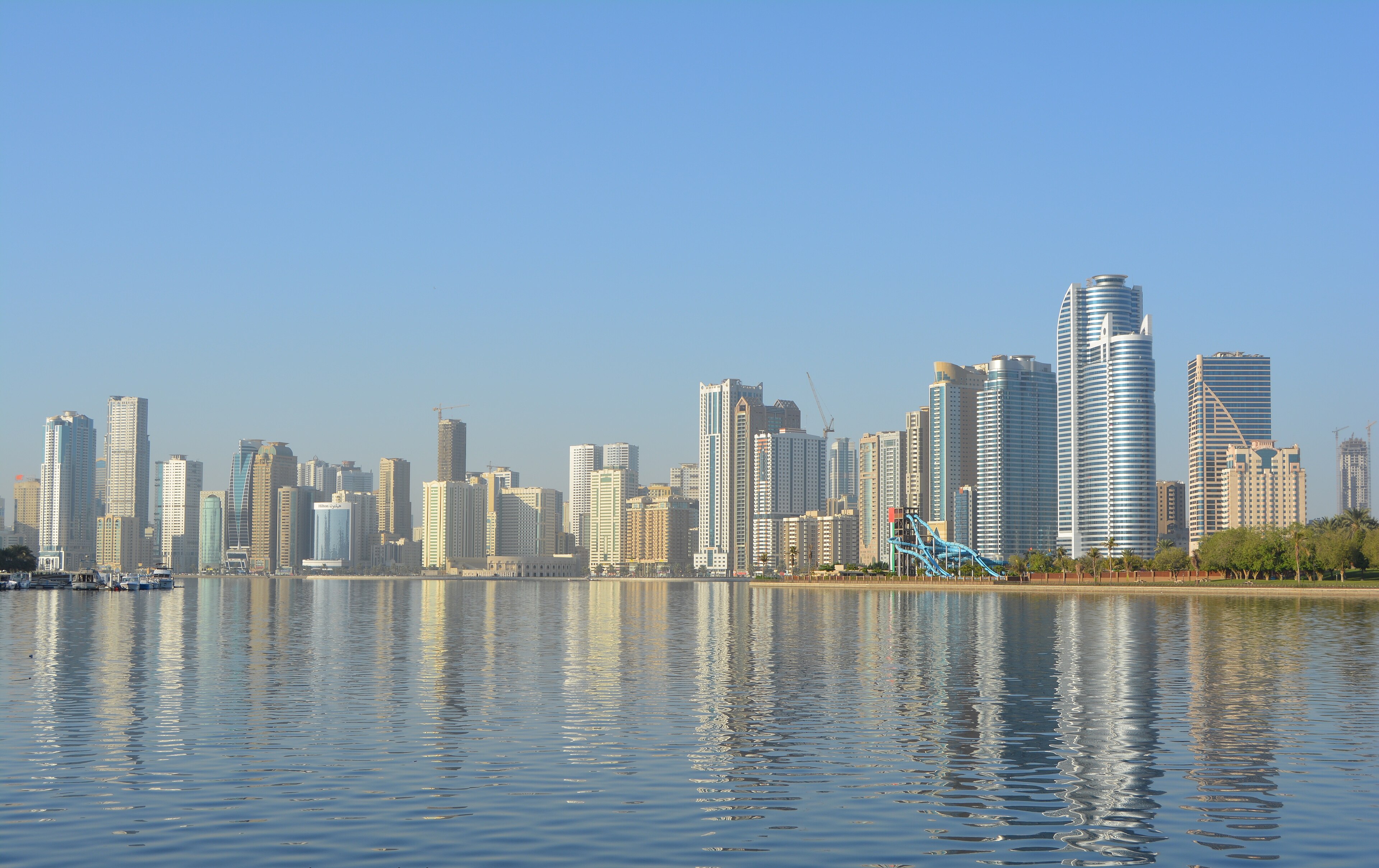
The Emirate Where Culture Sets the Pace
Sharjah is one of the seven emirates of the United Arab Emirates, a Gulf-coast city and emirate known for its museums, arts institutions, book culture and carefully restored heritage districts. It lies on the Arabian Gulf between Dubai and Ajman, with its own stretch of coast on the Gulf of Oman too. UNESCO named it Cultural Capital of the Arab World in 1998 and World Book Capital in 2019, honours that explain the quiet confidence of the place: here, a morning is as likely to start in a gallery as on a beach.
That cultural depth is easy to walk. The Heart of Sharjah district brings together restored merchants' houses, coral-stone courtyards, small museums and cafes around the old waterfront, while the Sharjah Museum of Islamic Civilization and the Sharjah Art Foundation anchor a serious contemporary programme. Neighbouring Dubai offers the spectacle, and Ajman a short, quieter coastline, but Sharjah is where travellers come for substance, craft and conversation, and for a rhythm that rewards slow, curious exploring.
Lagoons, Souks and Desert Landscapes
The waterfront is a gentle introduction. Khalid Lagoon and the Al Qasba canal give the city its evening promenade, with the Eye of the Emirates observation wheel, family cafes and dhow cruises under the lights. The Central Souk, known as the Blue Souk, fills two long pavilions with gold, carpets, textiles and souvenirs, and the Souk Al Arsah in the old quarter sells spices, frankincense and coffee in a traditional setting that photographs beautifully in morning light.
Beyond the city, the landscape widens. Mleiha, in the desert interior, combines archaeological sites with dune adventures and stargazing, while the east coast towns of Khor Fakkan and Kalba look out over the Gulf of Oman beneath the Hajar Mountains. Guests who enjoy the wider region often pair Sharjah with Fujairah along that coast or with Ras Al Khaimah to the north. A tourist board could use this range to present Sharjah as city, desert and coast in a single itinerary.
Book Fairs, Light Festivals and Easy Arrival
Sharjah's calendar gives visitors reasons to return. The Sharjah International Book Fair, held each November, ranks among the largest in the world, and the Sharjah Biennial has long placed the emirate on the international art map. Sharjah Light Festival, usually in the cooler months, projects animated light onto landmarks across the city, and Sharjah Heritage Days celebrates traditional crafts, music and food. Local specialities include machboos, harees and fresh Gulf fish, served in family restaurants as well as polished hotel dining rooms.
The cooler season from about November to March is the most comfortable for walking the old quarter and the lagoons, and the autumn festival season is especially lively. Sharjah International Airport has its own services, and Dubai's airports are also close, so arrival is simple. A name like VisitSharjah.co.uk could carry the whole story for hotels and airlines in one place, while Abu Dhabi to the south makes an easy second chapter for a longer Emirates journey.
Where to Stay in Sharjah's Quarters
Sharjah rewards a stay chosen to match the way you like to travel. Around Khalid Lagoon and the Al Majaz waterfront, modern hotels and serviced apartments look across the water to the fountain and the evening promenade, an easy base for families and for groups who like to step out after dinner. Couples often favour lagoon-view rooms at dusk, when the lights come on along the shore and the water turns copper. The mood here is relaxed and walkable, with playgrounds, cafes and boat rides close by, and the pace is gentler than the high-rise districts of neighbouring emirates.
Culture seekers should look to the old quarter, where restored courtyard houses and small guesthouses put the museums, the souk and the corniche cafes on the doorstep. Waking to the call of gulls over the creek and a breakfast of warm bread, cheese and honey is a quiet luxury. Beach resorts along the Gulf coast suit those who want sand and spa days, while east coast stays near Khor Fakkan pair mountain views with a calmer shore. From Ajman to Dubai, every option is a short drive, so the base can follow the mood of the trip.
Calligraphy, Coffee and the Sharjah Calendar
Sharjah's cultural identity shows in its crafts. Arabic calligraphy is a point of pride, with a dedicated calligraphy museum and studios where artists work in ink, and the emirate's pottery, weaving and silverwork appear in the Heritage Area shops. Architecture rewards a slow walk: wind towers, carved doors and coral-stone arches frame the lanes, and the Al Noor Mosque and Al Majaz promenade give modern counterpoints. The Sharjah Archaeology Museum and the Maritime Museum add stories of pearling, dhow building and trade, so a rainy-day plan is never short of ideas.
At the table, expect fragrant rice with lamb or fish, thick lentil harees, warm khubz with date syrup and cardamom coffee poured in small cups. Karak tea and luqaimat dumplings are a sweet finish. The year has its own rhythm: winter brings the Light Festival and outdoor concerts, November is for books, spring suits gallery openings and Biennial programmes, and summer shifts life to cool museums, covered souks and evening waterfronts. A tourist board can turn that calendar into a year-round story, with Abu Dhabi adding national landmarks for longer trips.
Desert Trails, Coast Days and Day Trips
Experiences range well beyond the city. At Mleiha, guided desert drives, fossil sites and night sky sessions turn the interior into an outdoor classroom, and cyclists and runners enjoy the quiet roads at dawn. On the Gulf coast, kayaking among the mangroves at Khor Kalba offers calm paddling and a chance to spot the rare collared kingfisher, a bird found nowhere else in the Emirates. Families can fill days at the Sharjah Aquarium, the natural history museum and the Al Montazah parks, while wellness fans book spa mornings followed by a long lagoon walk.
Day trips are the secret strength. Fujairah's reefs and forts lie across the mountains, and Khor Fakkan's beach and waterfall park make a rewarding half-day on the Gulf of Oman. Heading north brings Ras Al Khaimah with its mountain road and zipline, while Al Dhaid's farms and oasis town show a green side of the interior. Building a stay around three or four nights in the city plus two on the east coast gives travellers culture, desert and sea in one smooth loop, with Fujairah as the natural final chapter.
Planning your stay
Sharjah is known for its museums, heritage quarter and arts programme, and for a more conservative character than Dubai. The Heart of Sharjah restoration area, the Arts Foundation and the Al Majaz waterfront suit visitors who want culture and quieter evenings. The emirate also holds an east coast exclave at Khorfakkan, reached by road across the mountains.
Sharjah borders Dubai to the south and Ajman to the north, and Fujairah and Ras Al Khaimah are both within a day's drive. The Sharjah International Book Fair is held every year, usually in November, and visitors should confirm dates with the organiser.
When to go and getting there
November to March is the most comfortable period, and summer is very hot and humid. Sharjah International Airport is a hub for Air Arabia, a low-cost carrier, and is close to Dubai by road. Many UK visitors fly to Dubai, about seven hours from London, and take a short transfer, though roads between the two are often congested at rush hour.
Entry rules
Whether you land at Sharjah International or at Dubai, your passport must have an expiry date at least six months after the date you arrive.
Before you travel
Entry requirements and official travel guidance are updated regularly, so check the latest position with your government before booking. The sources we used are listed at the foot of this page.
Why Sharjah matters to the industry
Sharjah is a culture-led, family-oriented destination with a clear rule set, and honest guidance is its best marketing. VisitSharjah.co.uk lets a tourist board explain the alcohol rule and the cultural programme, a hotel group present verified properties and an airline explain routes into its airport.
See our destination guides and the AI platform for how we publish this kind of detail across the network.
Questions travellers ask about Sharjah
What is the best time to visit Sharjah?
The cooler months from November to March suit Sharjah's museums and waterfront best. Summer is very hot and humid, and heavy rain can cause flooding.
What is Sharjah best known for?
Sharjah is best known as the cultural capital of the UAE, with UNESCO titles in 1998 and 2019, major museums, the Sharjah Art Foundation, the Heart of Sharjah heritage quarter, the November book fair and a calm waterfront at Khalid Lagoon and Al Qasba.
When is the best time to visit Sharjah?
The cooler months from about November to March are the most comfortable for exploring the old quarter, souks and lagoons, and November brings the book fair. Light Festival evenings and Heritage Days also fall in the cooler season, making it the richest time overall.
Where should couples stay in Sharjah?
Couples enjoy lagoon-view hotels around Khalid Lagoon and Al Majaz for sunset views and easy evening strolls, or a small guesthouse in the restored old quarter for character. Beach resorts on the Gulf coast suit those who prefer spa days and sea air.
What is there to do in Sharjah on a hot summer day?
Summer days suit the museums, the covered Blue Souk, the aquarium and the air-conditioned galleries of the Sharjah Art Foundation. Evenings are ideal for the lagoon promenade, dhow cruises and relaxed dinners of fresh fish and fragrant rice.
In the Visit Travel Group portfolio: VisitSharjah.co.uk.