Mountains, Mangroves and a Long Gulf Shore
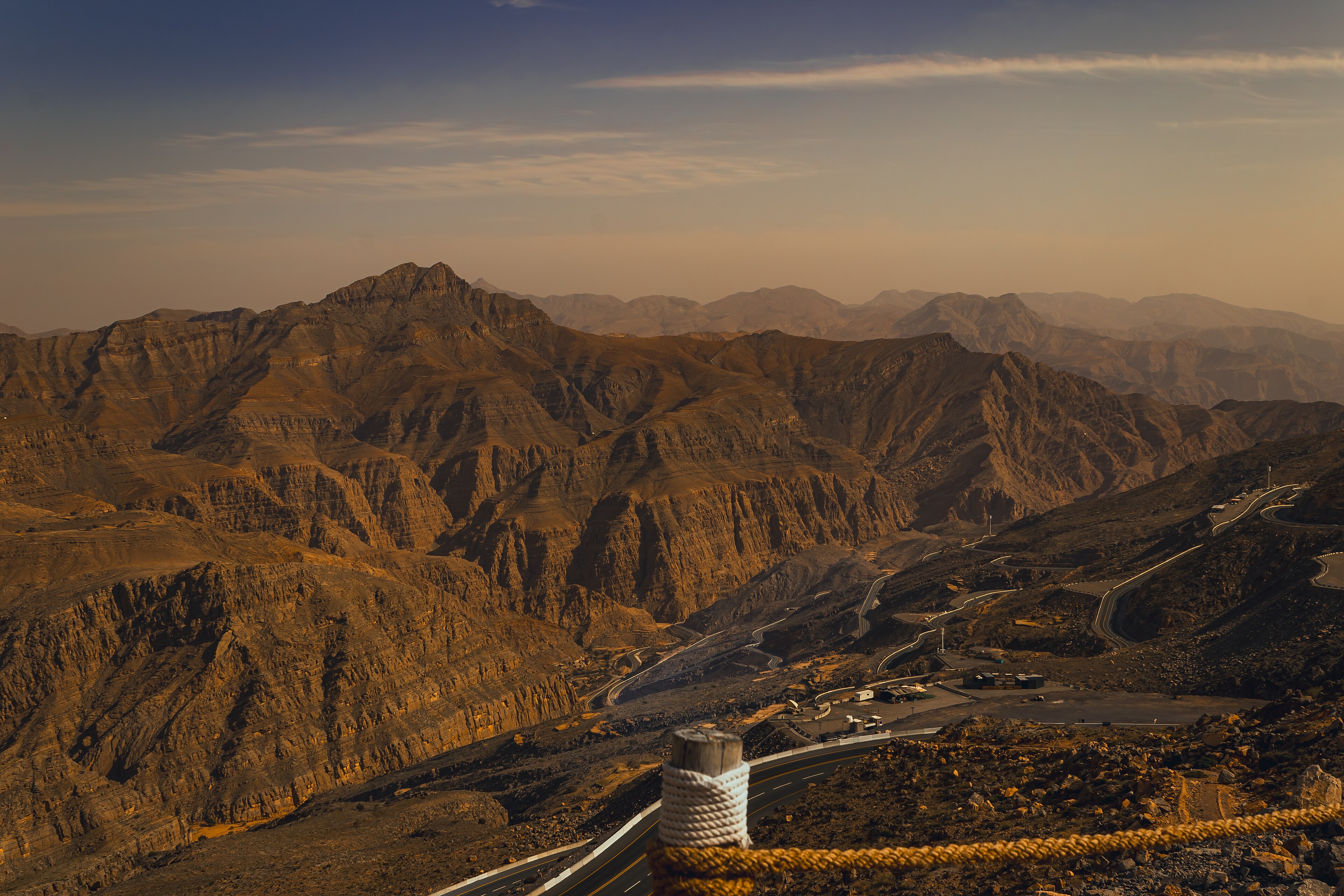
Ras Al Khaimah is the northernmost of the seven emirates of the United Arab Emirates, known for the Hajar Mountains, mangrove lagoons, desert dunes and a long Arabian Gulf shoreline. Within a short drive, a traveller can pass from a quiet beach to a mountain road, which gives the emirate its adventurous reputation. Jebel Jais, the highest peak in the UAE, rises above the town, and the coast below carries a mix of resort hotels, fishing harbours and date palm oases that feel pleasantly far from the pace of the bigger cities.
History runs deep. The ancient trading settlement of Julfar stood on this coast, and Dhayah Fort, set on a rocky hill above the palms, is among the best-known historic landmarks in the emirate. The old town and Al Hamra area keep a slower, village rhythm, with coral-stone buildings, small museums and local markets. Compared with Dubai, Ras Al Khaimah feels more natural and unhurried, and visitors often choose it precisely for the mix of landscape, space and welcome.
Jebel Jais Adventures and Island Resorts
Adventure is the headline. Jebel Jais is home to a long mountain zipline, hiking routes and viewpoints that look out across the ranges towards the Gulf, and dunes near the desert reserves offer camel rides, dune driving and camping under clear skies. The mangroves around Al Rams and Khor Ras Al Khaimah are explored by kayak at quiet hours, with birdlife and still, glassy water, and the sunsets across the lagoon are among the most photogenic in the northern Emirates.
Beach stays are equally strong. The island resort district of Al Marjan Island has become a flagship of the emirate's resort scene, and the coast offers long open sands for family holidays and wellness retreats. For a hotel group, Ras Al Khaimah provides a lively mix of beach, desert and mountain experiences that can be packaged for couples, families and active travellers alike, without leaving the same short transfer radius.
Seasons, Flavours and Getting There
The cooler months from about October to April are the most comfortable for hiking, dune days and long beach afternoons, and winter evenings are ideal for outdoor dining beside the lagoons. Local cooking leans on fresh Gulf fish, slow-cooked lamb, dates and Arabic coffee, with machboos a household classic. Visitors who enjoy the wider region can link Ras Al Khaimah with Sharjah for culture and Umm Al Quwain for quiet coastline, both easily reached by road along the Gulf shore.
Most travellers arrive via Dubai's airports, with Ras Al Khaimah International Airport also offering its own services, and a road transfer of roughly an hour from Dubai. The emirate is still seen by many as an emerging name, which makes VisitRasAlKhaimah.co.uk a useful home for presenting its full range to airlines and tour operators. Its combination of mountains, beaches and heritage means a short stay can feel varied, and a week can feel generous.
Beach, Mountain or Desert: Choosing Your Base
Ras Al Khaimah offers three distinct kinds of stay, and each suits a different traveller. Beach resorts along the Gulf shore, many with spa programmes, kids' clubs and long private sands, are the choice for families, couples and groups who want a classic sun holiday with excursions as an extra. In the mountains around Jebel Jais, small lodges and glamping camps give hikers and adventure seekers cool air, star-filled skies and sunrise views over the ranges. The mood shifts as the road climbs, from palm-lined shore to rocky ridges, and the contrast is part of the pleasure.
Desert retreats sit on the edge of the dunes, with villa-style suites, private pools and falconry or camel experiences for guests who value seclusion. Wellness travellers will find calm programmes of yoga, massage and mindful dining in these quieter settings. Boutique stays in the old town and near the creek suit culture seekers who want to wander among coral-stone houses and fish markets. Because the emirate is compact, a week can be split between two bases, with a beach stay followed by a night under the dunes, and Dubai only about an hour away for a final city evening.
Dates, Fish Markets and Pottery Traditions
The table in Ras Al Khaimah follows the land and sea. Fishermen land hammour, kingfish and prawns at the creek market each morning, and local restaurants grill them over charcoal with rice, lemon and herbs. Dates from the oases appear everywhere, in sweets, coffee and gifts, while fresh flatbread from village bakeries is a daily comfort. Visitors who like to cook can join a class that covers machboos and harees, finishing with cardamom coffee. The emirate's pottery tradition is another thread, with the old kilns of Al Jazirah Al Hamra and the craft stalls of the weekend markets showing how clay shapes everyday life.
Architecture and museums add depth: the National Museum of Ras Al Khaimah, housed in a former fort that once served as a ruler's residence, tells the story of the emirate in clear, walkable rooms. The year follows the weather. Winter and spring bring music evenings, adventure races and food gatherings, while summer favours indoor culture and early starts on the mountain. For a hotel group, that rhythm makes the emirate easy to market all year, and the heritage of Sharjah provides a natural pairing for visitors with more time.
Zipline Mornings and Mangrove Afternoons
Activity is the emirate's signature. At Jebel Jais, the long zipline, summit walks and viewing platforms make a memorable half-day, and trail runners and cyclists find climbing roads that reward the effort. Golfers have championship courses to enjoy, and sailors and paddlers head to the mangroves, where kayak tours pass herons and still channels at sunrise. Divers and snorkellers can reach nearby sites by boat, and fishing charters leave from the marinas. For families, water parks, camel farms and easy beach days keep children busy while parents unwind, and spa mornings follow adventure afternoons.
Day trips widen the picture. The ruins of Julfar and Dhayah Fort reward an unhurried visit, the Friday market at Masafi lies across the mountains, and the east coast reefs of Fujairah are about an hour and a half away. Many guests build a stay around a single theme, such as adventure, wellness or family beach time, and add one cultural day to Umm Al Quwain for lagoon birdlife. With so much within a short drive, the emirate suits both short breaks and relaxed fortnights.
Planning your stay
Ras Al Khaimah offers a mix its neighbours do not. Resort hotels line the coast at Al Marjan Island, the Hajar mountains rise inland to Jebel Jais, widely cited as the UAE's highest point at about 1,900 metres, and the old town has Dhayah Fort and the creek. Jebel Jais has a long zip line and walking trails, so check operator age, weight and weather limits.
The emirate lies north of Umm Al Quwain and Ajman, with Dubai a road journey to the south, and many visitors split a stay between the coast and a day in the mountains.
When to go and getting there
November to March is the most comfortable period for the beach and for hiking, and the mountains are cooler than the coast at other times. Summer on the coast is very hot and humid.
Ras Al Khaimah positions itself as a resort and adventure destination at a lower price than Dubai, and its coast is developing quickly. It has its own international airport, and many UK visitors also fly to Dubai, about seven hours from London, and transfer by road.
Entry rules
Landing at Ras Al Khaimah International or at Dubai, your passport must have an expiry date at least six months after the date you arrive.
Before you travel
Entry requirements and official travel guidance are updated regularly, so check the latest position with your government before booking. The sources we used are listed at the foot of this page.
Why Ras Al Khaimah matters to the industry
Ras Al Khaimah is one of the fastest-growing resort markets in the Gulf, and new supply raises the value of accurate, current information. VisitRasAlKhaimah.co.uk lets a hotel group present verified resorts, a tourist board explain the mountain and heritage offer and an airline explain direct routes.
See our destination guides and AI platform for how that content is surfaced to travellers.
Questions travellers ask about Ras Al Khaimah
What is Jebel Jais?
It is widely cited as the highest point in the UAE, in the Hajar mountains of Ras Al Khaimah, and its summit straddles the Omani border. Check operator limits and weather before booking outdoor activities there.
What is the best time to visit Ras Al Khaimah?
Between November and March the beach and Jebel Jais are both comfortable. The mountains are cooler than the coast, and summer on the coast is very hot and humid.
What is Ras Al Khaimah best known for?
Ras Al Khaimah is best known for Jebel Jais, the highest peak in the UAE, its mountain zipline and hiking, mangrove kayaking, desert dunes, Dhayah Fort and a growing beach resort scene including Al Marjan Island, all within a short drive of each other.
How do I get to Ras Al Khaimah?
Most visitors fly into Dubai and transfer by road in roughly an hour, while Ras Al Khaimah International Airport also has its own services. The emirate sits on the Gulf coast at the northern end of the UAE, close to Sharjah and Umm Al Quwain.
Where should families stay in Ras Al Khaimah?
Families usually choose a beach resort on the Gulf shore or on Al Marjan Island, where kids' clubs, shallow bays and varied dining keep everyone happy. Jebel Jais, the mangroves and Dhayah Fort are all an easy drive from the coast.
What food should I try in Ras Al Khaimah?
Try grilled hammour or kingfish from the creek market, machboos with spiced rice, fresh dates from the oases, warm flatbread and cardamom coffee. Local pottery markets and village bakeries add tasty, authentic stops on a day out.
In the Visit Travel Group portfolio: VisitRasAlKhaimah.co.uk.