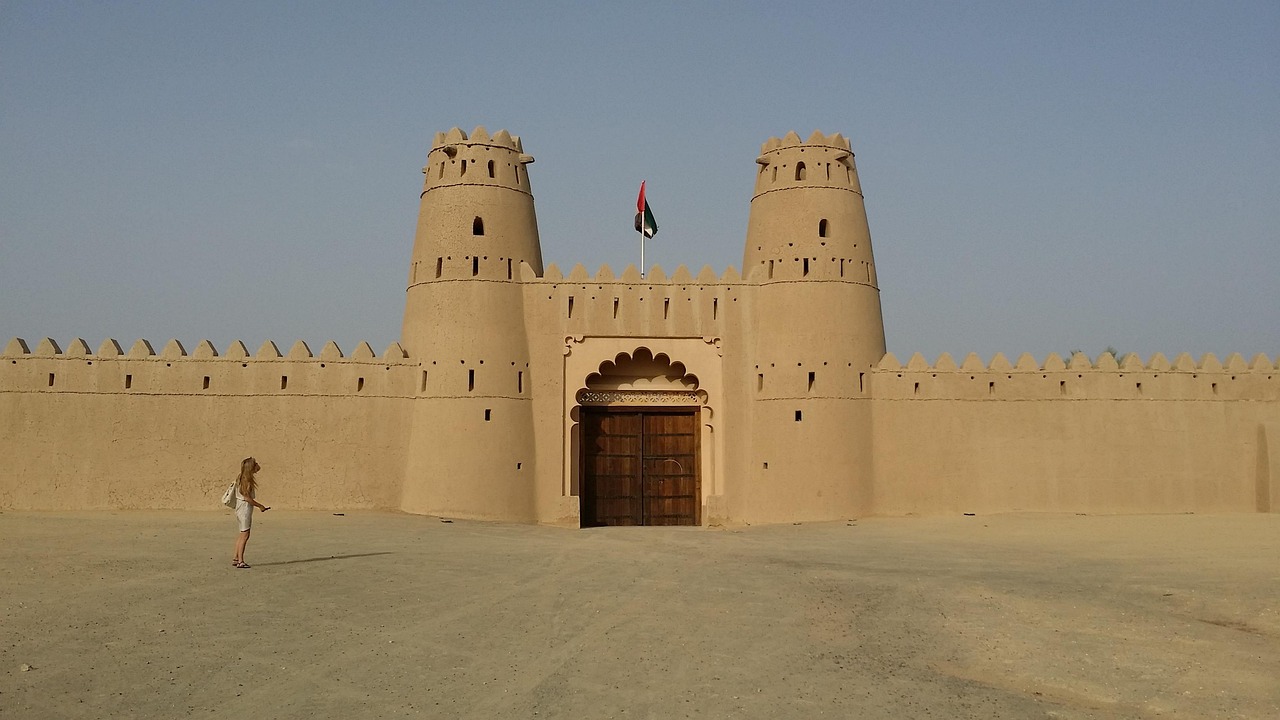
The Garden City of the Emirates
Al Ain is a city in the emirate of Abu Dhabi in the United Arab Emirates, beside the Omani frontier, known as the Garden City for its date palm oases, tree-lined avenues and green public spaces. It is also one of the oldest continuously inhabited places in the region. The Cultural Sites of Al Ain, covering Hafit, Hili, Bidaa Bint Saud and the oases, were inscribed by UNESCO in 2011, and the city's mix of archaeology, farming heritage and desert landscape gives it a distinct identity.
The most striking piece of that story is the Hafit tombs, beehive-shaped Bronze Age stone graves that stand on the ridges of Jebel Hafeet and at Hili, dating back about five thousand years. Their quiet, sculptural forms against the desert light are a highlight for travellers interested in early civilisations. In the city itself, Al Ain Oasis is a shaded walk among thousands of date palms and ancient falaj irrigation channels, a remarkable contrast to Abu Dhabi and Dubai.
Forts, Oases and the Road up Jebel Hafeet
Al Ain Palace Museum and Al Jahili Fort bring the emirate's modern history into focus, with Al Jahili Fort hosting exhibitions on desert exploration and the Emirati story. The Al Ain National Museum and the traditional markets add further context, while Al Ain Zoo, one of the larger zoos in the region, is a favourite with families. Camel market visits and falaj-lined walks give a sense of a living culture that still values farming, trading and hospitality.
Jebel Hafeet is the city's great landmark: a limestone mountain with a winding road to the summit and views across the plains, popular for sunset and with cyclists who love the climb. Cooler air at the top and wide terraces looking over the plains give guests a pleasant retreat. Travellers heading east often link Al Ain with Fujairah through the mountains, while a hotel group can use the city to showcase wellness, heritage and quiet luxury beyond the coast.
Seasons, Journeys and Desert Calm
The cooler months from about October to April are best for walking the oases, exploring forts and riding the Jebel Hafeet road. Evenings are mild and the desert air is clear, ideal for stargazing and outdoor dining. Local dishes include lamb and rice dishes such as machboos, fresh dates from the oasis and Arabic coffee served with cardamom, all part of an Emirati hospitality tradition that visitors remember long after they leave.
Al Ain is about 90 minutes by road from Abu Dhabi and roughly the same from Dubai, so it works equally as a day trip or an overnight stop, and the city has its own airport services. For airlines and tourist boards, VisitAlain.co.uk offers a chance to show a different Emirates: not the skyline, but the oasis, the mountain and the five thousand year story. Neighbouring Sharjah makes a natural cultural companion on a longer itinerary.
Where to Stay in the Oasis City
Al Ain offers a calmer, greener kind of Emirates stay. The most distinctive choices are on and around Jebel Hafeet, where mountain-top hotels and resorts look across the plains from a cool terrace and spa suites, an excellent fit for couples and wellness seekers. In the city, hotels near the oases and Al Ain Palace Museum put heritage within a short walk, and boutique guesthouses offer courtyard gardens and old-style hospitality. Families will enjoy larger resorts with pools, play areas and easy access to the zoo, and groups often take serviced apartments around the green avenues.
Desert lodges beyond the city suit guests who prefer silence and stars, with villa suites, private pools and sunrise camel walks on offer. Heritage travellers might choose a night near Hili, where the Bronze Age tombs and the garden park make a pleasant early morning. The city is compact, with most sights within a short drive, so the choice of base can follow personal taste, whether mountain, oasis or desert. A longer trip can easily pair Al Ain with Abu Dhabi for contrast, and a night or two here gives a calm midpoint on a loop that also reaches Dubai.
Dates, Camel Markets and Oasis Craft
Al Ain's table is rooted in the oasis. Fresh dates in many varieties are the star, eaten plain, stuffed with nuts or folded into sweets, and served with Arabic coffee scented with cardamom and saffron. Slow-cooked lamb with rice, fish from the coast and warm khubz bread are everyday favourites, and the markets sell fruit, honey, spices and herbs in generous piles. Visitors can take a guided tasting around the oasis, or enjoy a long lunch in a shaded garden where water runs in the old falaj channels, a calm and delicious pause in the day.
Culture is practical and living. The camel market is one of the best known in the country, and the Al Ain Souk sells weaving, palm products and silver. Sadu weaving demonstrations at the cultural centres show how wool is spun and patterned, and Al Qattara Arts Centre adds exhibitions in a restored mud-brick setting. The calendar peaks in winter with heritage gatherings, music and family events, while spring suits early walks and summer shifts to the cooler mountain terraces and evening gardens. A tourist board could weave this together as a year-round heritage offer.
Cycling Hafeet, Desert Camps and Day Trips
Active travellers have plenty to choose from. The winding road up Jebel Hafeet is a famous cycling climb, rewarded at the top with sweeping views, and hikers can follow trails among the rocks and the ancient tombs. Quieter pursuits fill the desert evenings: stargazing, dune walks and falconry experiences at the desert camps. Families can spend a day at the zoo and the safari area, and nature lovers can walk through the Green Mubazzarah park, where hot springs and palm groves make a cool retreat in the afternoon.
Day trips are easy and rewarding. Jebel Hafeet and Hili make a half-day each, while the Omani frontier town of Buraimi lies next door for a taste of regional markets. Across the mountains, Fujairah offers reefs and coastal calm, and Sharjah pairs well for museums and calligraphy. Because Al Ain is only about ninety minutes from the major cities, it also works as a restful base, with a stay built around two nights of heritage, one of desert quiet and an unhurried drive to the coast.
Planning your stay
Al Ain is often called the Garden City. Its cultural sites, including the Hili archaeological area, the oases and Jebel Hafeet, are on the UNESCO World Heritage List as the Cultural Sites of Al Ain. Other draws are the Al Ain Palace Museum, the old forts and a zoo, and the mountain road up Jebel Hafeet gives wide views.
Al Ain is part of the emirate of Abu Dhabi and lies inland from Dubai, about a road journey of an hour and a half from either city. It combines well with Fujairah on the east coast for visitors who want mountains and heritage rather than beaches.
When to go and getting there
November to March is the most comfortable period for the oases and for walking, and summer is very hot, with the interior often hotter than the coast. Most UK visitors fly into Dubai or Abu Dhabi, about seven hours from London, and drive or take a transfer to Al Ain.
Because Al Ain suits day trips, many visitors use a hotel in a larger city as a base, so check coach and tour options in advance.
Entry rules
Landing at Abu Dhabi or Dubai before the drive inland to Al Ain, your passport must have an expiry date at least six months after the date you arrive.
Before you travel
Entry requirements and official travel guidance are updated regularly, so check the latest position with your government before booking. The sources we used are listed at the foot of this page.
Why Al Ain matters to the industry
Al Ain is a heritage destination with an international designation and a small hotel base, which makes clear guidance valuable. VisitAlain.co.uk lets a tourist board explain the sites, a hotel group present verified properties and an online travel agency package day trips.
See our destination guides and AI platform for how that content reaches travellers.
Questions travellers ask about Al Ain
What is Al Ain known for?
Its UNESCO-listed Cultural Sites of Al Ain, date palm oases, forts, a palace museum and Jebel Hafeet. It is inside the emirate of Abu Dhabi, on the border with Oman.
Can I visit Al Ain as a day trip?
Yes. It is about an hour and a half by road from Dubai or Abu Dhabi in normal traffic, and many visitors do it as a day trip.
What is Al Ain best known for?
Al Ain is best known as the UAE's Garden City and for its UNESCO World Heritage cultural sites, inscribed in 2011, including the Bronze Age Hafit tombs, Hili and the date palm oases. Jebel Hafeet, Al Jahili Fort and Al Ain Zoo are its other major draws.
How far is Al Ain from Abu Dhabi and Dubai?
Al Ain is roughly 90 minutes by road from Abu Dhabi and about the same distance from Dubai, depending on traffic. That makes it easy as a day trip or a relaxed overnight stay on a wider Emirates itinerary.
Where should couples stay in Al Ain?
Couples enjoy mountain-top hotels on Jebel Hafeet for cool evening terraces and sweeping views, or a boutique guesthouse near the oasis for courtyard gardens and old-style hospitality. Desert lodges add private pools and starlit dinners for a quiet escape.
What should I do on a cooler day in Al Ain?
Walk the shaded paths of Al Ain Oasis, visit the Palace Museum and Al Jahili Fort, tour the camel market, browse the souk for weaving and dates, or cycle or drive the Jebel Hafeet road for sunset views.
In the Visit Travel Group portfolio: VisitAlain.co.uk.