Where Mountains Meet the Gulf of Oman
Fujairah is one of the seven emirates of the United Arab Emirates and the only one with a coastline entirely on the Gulf of Oman, on the country's east coast. Rugged Hajar Mountains rise directly behind the shore, creating a landscape of rock, wadis and palm groves that looks quite different from the dunes and skylines of the west. The result is a destination of unusual variety, where a morning in the mountains and an afternoon on a quiet beach sit comfortably within the same day.
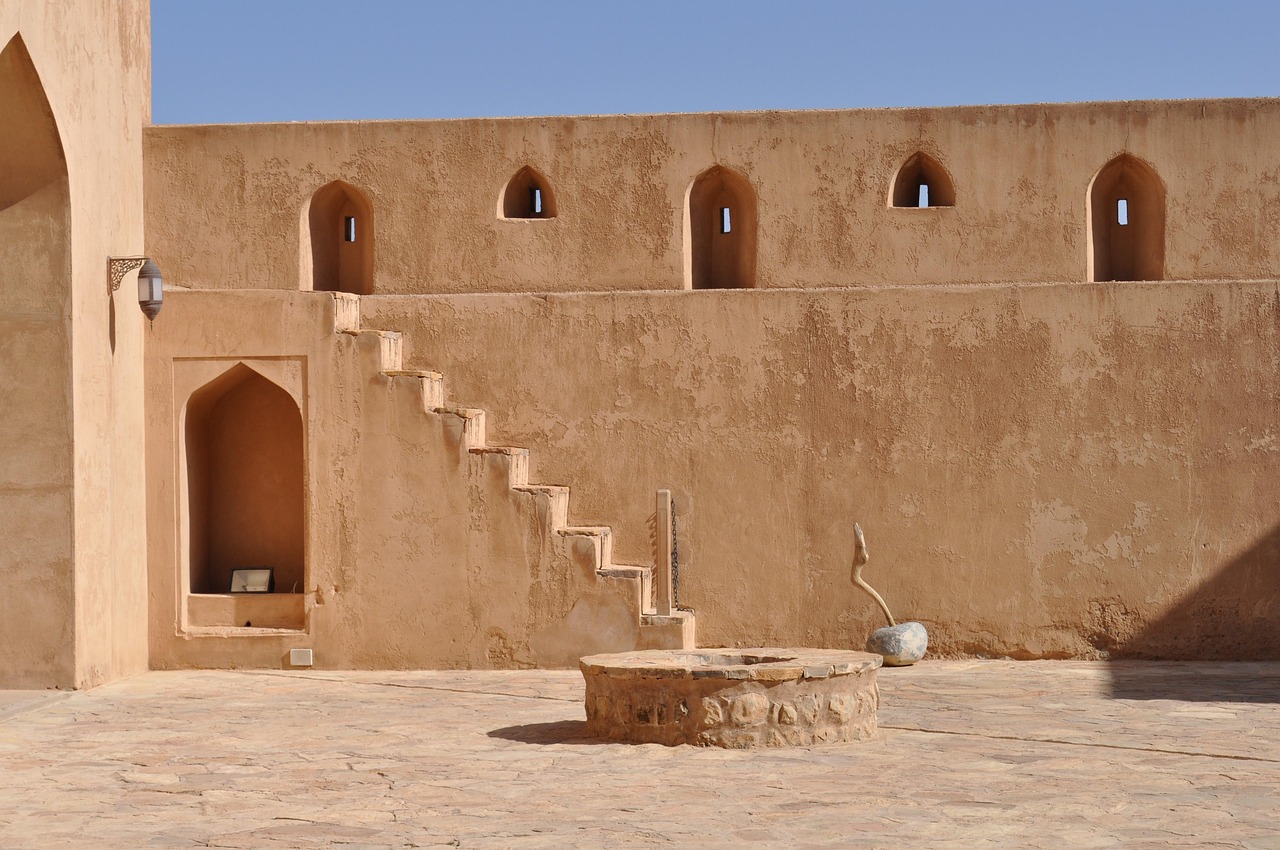
History is visible here. Al Bidyah Mosque, a small whitewashed building commonly cited as one of the oldest in the country, sits against the hills near the coast, and Fujairah Fort, restored in the old town, looks over date palms and the surrounding valley. The Heritage Village adds a traditional feel with crafts and old-style houses. Compared with Dubai and Abu Dhabi, Fujairah is quieter and greener, and its warm, unhurried welcome is a large part of its appeal.
Reefs, Wadis and Mountain Villages
The sea is Fujairah's great asset. Snoopy Island, a rock outcrop off Sandy Beach near Dibba, is a favourite for snorkelling and diving, with coral and tropical fish close to shore, and the east coast has long been associated with sheltered dive sites. Kayak tours, boat trips and dolphin sightings add to the choice, and the beaches around Al Aqah and Dibba are wide, clear and calm, backed by the mountain profile that makes this coast so photogenic.
Inland, Wadi Wurayah National Park protects freshwater pools and waterfalls rare in the region, and mountain roads link villages such as Masafi, known for its Friday market of fruit, plants and carpets. Cooler mountain air makes hiking a pleasure in the cooler months. A tourist board can use this contrast of coast and highland to broaden any Emirates itinerary, and nearby Sharjah extends the story with its own east coast enclaves of Khor Fakkan and Kalba.
Best Months and Easy Routes to the East
The cooler season from about October to April suits hiking, diving and beach days, and the sea is clear for much of the year. Local food leans on freshly caught fish, grilled and served with rice or flatbread, while Masafi and the mountain villages offer simple cafes and fruit stalls. Fujairah is also close to Oman's Musandam coast, so dive operators and boat trips draw guests who enjoy the wider Gulf of Oman and its marine life.
Getting there is easy. Fujairah International Airport has its own services, and the drive from Dubai or Sharjah across the mountains takes about ninety minutes to two hours, through scenery that is part of the trip. For hotels and airlines, VisitFajairah.co.uk could present the east coast as an adventure and relaxation destination in its own right, and Ras Al Khaimah to the north makes a natural second stop for travellers who want mountains, beaches and heritage together.
Beach Resorts, Mountain Lodges and Dibba Calm
Stays on the east coast fall into clear areas. Along the beaches of Al Aqah and the shore north of Fujairah city, beach resorts spread across wide golden sands with the Hajar Mountains as a backdrop, a favourite for families, couples and groups who want a classic seaside week with the added drama of peaks behind. Many resorts include dive centres and kids' clubs, and sunrise over the Gulf of Oman is a daily gift. Rooms facing east catch the first light on the water, and breakfast on a terrace becomes the best meal of the day.
Dibba, at the northern end, suits divers, snorkellers and quiet-minded travellers, with smaller hotels near the harbour and sea-view villas along the beach. Inland, mountain lodges and farm-style stays near Masafi and the wadis give hikers cool evenings, birdsong and star-filled skies. Wellness fans can choose resorts with spa villages and yoga decks, while culture seekers might prefer a base in Fujairah town near the fort and heritage village. The compact scale means a stay can easily include a night in each setting, and Sharjah sits only a short drive down the coast road for a cultural day.
Mountain Markets, Coffee and the Fujairah Year
Fujairah's food has an east coast accent. Fishermen at the harbour sell tuna, kingfish and sardines straight from the boats, and seafood restaurants grill them with lemon, garlic and spiced rice. Mountain villages add their own tastes: honey, figs, pomegranates and warm bread baked in clay ovens, served with yoghurt and sweet tea. Arabic coffee with dates is offered in every home and heritage house, and visitors can join cooking sessions that cover harees and thin, crisp regag bread. Local crafts include palm weaving, pottery and silver jewellery, easy to find at the Friday market and in the heritage village.
The calendar adds colour. Winter is the season of the Fujairah International Arts Festival, held in the cooler months, with theatre, music and exhibitions, and weekend heritage gatherings show traditional dance, sword displays and bull-butting, an old local sport on the beach. Spring and autumn suit reef days and mountain walks, while the hottest months favour early dives, cool wadi pools and evening markets. A hotel group can build themed breaks around these moments, and Al Ain offers a contrasting oasis story at the other side of the mountains.
Dive Boats, Wadi Walks and Cross-Country Loops
The east coast is a diver's favourite. Dive centres at Al Aqah and Dibba lead boat trips to reefs, wrecks and sheltered bays where turtles, rays and shoals of reef fish are regular sights, and beginners can learn in calm shallows. Snorkellers, kayakers and paddleboarders enjoy the same clear water, and fishing trips set out at dawn. On land, the wadis and ridges around Dibba and Wadi Wurayah offer hiking at every level, and mountain bikers find quiet roads and trails with long views to the sea. Families can add camel rides, beach picnics and dolphin watching.
Day trips and add-ons are plentiful. A scenic mountain drive links the coast with Dubai and Sharjah, and Khor Fakkan's beach and waterfall park are a short hop south. Heading north, the Musandam coast across the Omani frontier is popular for dhow cruises, while Ras Al Khaimah adds the mountain road and zipline. A balanced stay might give three nights to the beach, one to the mountains and a day to cross the country, ending with Abu Dhabi for its landmarks.
Planning your stay
Fujairah sits on the Gulf of Oman side of the country, away from the Gulf coast resorts. The Hajar mountains run close to the sea, and visitors come for snorkelling and diving off the coast, the fort in Fujairah city and the Al Bidyah Mosque, a small historic mosque near the shore. It has a working port, so the scenery is not purely resort.
The east coast is reached from Dubai or Sharjah by road across the mountains, and Ras Al Khaimah and Al Ain make logical companions on a longer trip.
When to go and getting there
November to March is the most comfortable period for the coast and the mountains, and summer is very hot and humid. Fujairah has its own international airport, but most UK visitors arrive via Dubai, about seven hours from London, or Abu Dhabi, and travel on by road.
Entry rules
Landing at Fujairah International Airport or at Dubai, your passport must have an expiry date at least six months after the date you arrive.
Before you travel
Entry requirements and official travel guidance are updated regularly, so check the latest position with your government before booking. The sources we used are listed at the foot of this page.
Why Fujairah matters to the industry
Fujairah offers something different from the Gulf coast resorts, and visitors only choose it if they understand what it is. VisitFajairah.co.uk lets a tourist board explain the diving, mountain and heritage offer, a hotel group present verified properties and an airline explain routes.
See our destination guides and AI platform for how that content is shared across the network.
Questions travellers ask about Fujairah
Where is Fujairah?
On the UAE's east coast, on the Gulf of Oman, with the Hajar mountains running close to the sea. It is a road journey across the mountains from Dubai or Sharjah.
What is the best time to visit Fujairah?
November to March is the best window for diving and mountain drives. In summer the east coast is very hot and humid, and heavy rain can bring flooding.
What is Fujairah best known for?
Fujairah is best known for being the UAE's east coast emirate on the Gulf of Oman, with Hajar Mountain scenery, Al Bidyah Mosque, Fujairah Fort, coral snorkelling at Snoopy Island, Wadi Wurayah National Park and quiet beaches near Dibba and Al Aqah.
How long does it take to reach Fujairah from Dubai?
The drive from Dubai or Sharjah to Fujairah across the Hajar Mountains takes roughly ninety minutes to two hours, depending on the route and starting point. Fujairah International Airport also has its own services for direct arrivals.
Where should divers stay in Fujairah?
Divers favour Al Aqah and Dibba, where beach resorts and smaller hotels sit beside dive centres and the reefs of Snoopy Island. Boat trips reach wrecks and sheltered bays, and the water is clear and calm for much of the year.
What is there to do in Fujairah beyond the beach?
Explore Fujairah Fort and the heritage village, hike Wadi Wurayah, browse the Friday market at Masafi, taste fresh tuna and mountain honey, or take a mountain drive to Khor Fakkan for its waterfall park and beach.
In the Visit Travel Group portfolio: VisitFajairah.co.uk, VisitFujairah.co.uk.