Big Five Safaris and the Wild Coast
The Eastern Cape is a province on the south-eastern coast of South Africa, known for its Big Five game reserves, the untamed Wild Coast, the surf of Jeffreys Bay and its deep Xhosa heritage. It stretches from the dry Karoo to the Indian Ocean, taking in mountains, forests, farmland and some of the country's least crowded beaches. Gqeberha, formerly Port Elizabeth, is the main gateway on Algoa Bay, while East London anchors the north-east. For travellers who like their journeys varied, few regions offer wildlife, coastline, culture and adventure in such an easy sequence.
Safari is the star. Addo Elephant National Park, close to Gqeberha, is renowned for its large herds of elephants and has expanded to include marine areas, so visitors can see the Big Seven, including whales and great white sharks, in a single park. Private reserves such as Shamwari and Kariega offer lodge stays with game drives, in malaria-free country, which many families value. Those who enjoy wildlife on a grand scale can compare this with Rwanda, where gorillas and chimpanzees offer a different kind of encounter.
Mandela Country, Hogsback and Coffee Bay
Culture runs deep here. The province is the homeland of the Xhosa people and the birthplace of Nelson Mandela, who was born in the village of Mvezo and grew up in Qunu, and the Mandela story draws many visitors to the Eastern Cape. Makhanda, the university town formerly known as Grahamstown, hosts the National Arts Festival each year, a gathering of theatre, dance, music and film that fills the old streets. The 1820 Settlers left their mark on the architecture of towns such as Makhanda and Port Alfred, a graceful contrast to the rural Xhosa villages further east.
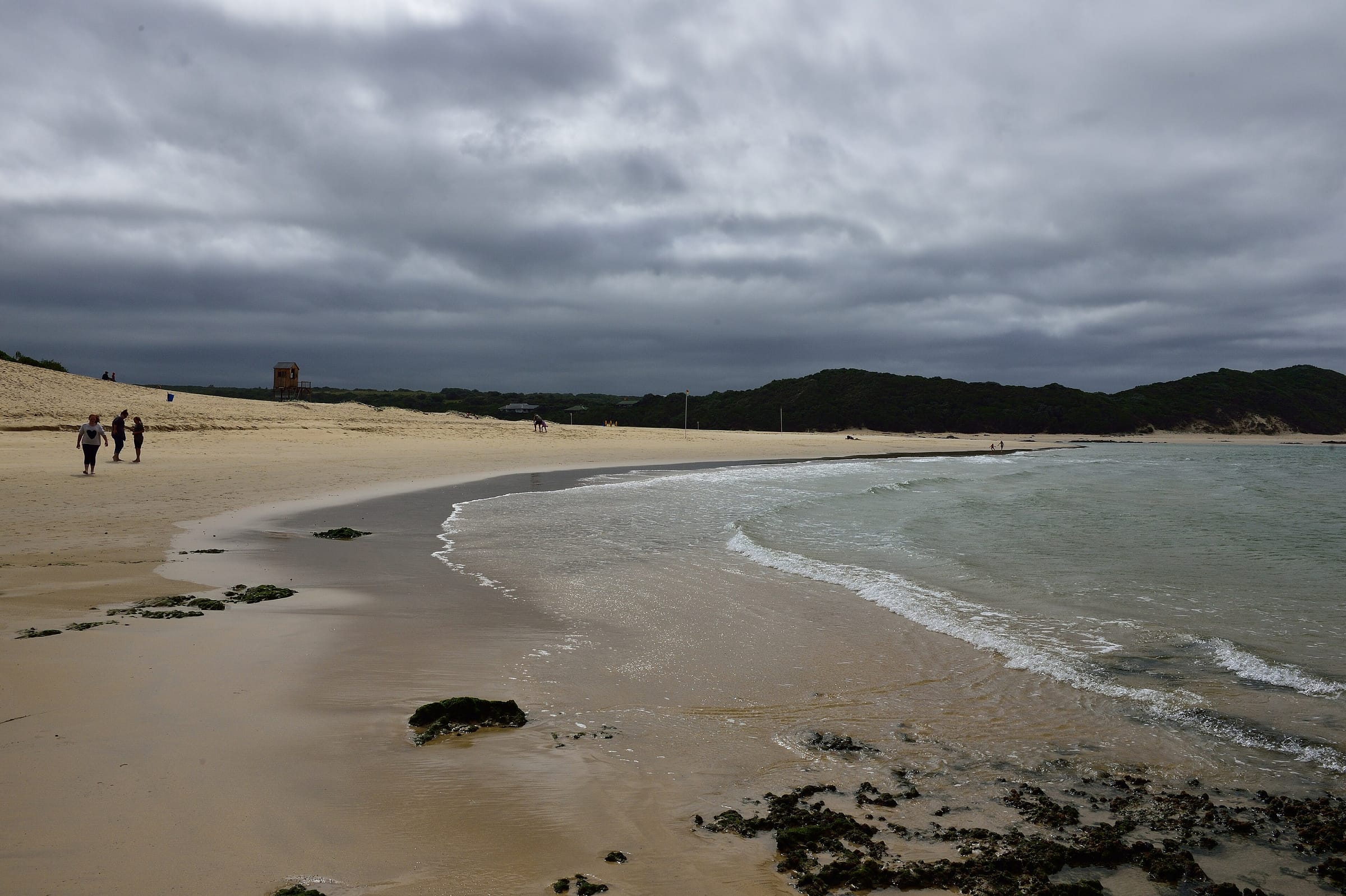
Scenery is the second draw. The Wild Coast, with its green headlands, wide beaches and rondavel villages, is home to places such as Coffee Bay and the Hole in the Wall, a sea-carved arch that is both a natural wonder and a local legend. In the Amatola mountains, the village of Hogsback is a favourite for forest walks, waterfalls and creative cafes, with a storybook, fairy-tale air. A tourist board has a rich canvas here, and the contrast with the polished beaches of Australia and the adventure landscapes of New Zealand shows the province's wide appeal.
Surf, Seafood and When to Visit
Jeffreys Bay, known as J-Bay, is one of the most celebrated surf spots in the world, famed for its long, fast right-hand wave at Supertubes, and it hosts an international surf event each year. Alongside the waves, the town has a relaxed seafront, shell-collecting beaches and seafood restaurants serving fresh calamari, line fish and oysters. Nearby Algoa Bay is a feeding ground for dolphins and, in season, whales. Further along, the Tsitsikamma coast at the edge of the Garden Route offers forest walks, suspension bridges and waterfalls.
The Eastern Cape enjoys a mild, sunny climate through much of the year, with spring and autumn considered the most comfortable for safaris and coastal walking, while the whale season runs from about June to November. Gqeberha's airport has regular domestic flights from Johannesburg and Cape Town, and international travellers usually connect through one of those two. A name like VisitEasternCape.co.uk offers hotels and airlines a clear place to showcase it. Travellers can extend a southern African journey with the Seychelles or the Maldives for an island finish.
Safari Lodges, Coastal Guesthouses and Karoo Farms
The Eastern Cape offers more kinds of stay than most visitors expect. Around Addo and Gqeberha, family-run lodges and private reserves such as Shamwari, Amakhala and Kwandwe offer malaria-free safaris with sunrise drives and starlit dinners, ideal for families and first-time safari travellers. Gqeberha itself has seafront hotels on Algoa Bay, and Jeffreys Bay has surf lodges and guesthouses within walking distance of the waves. The Sunshine Coast, from Port Alfred to Kenton-on-Sea, offers beach houses, river estuaries and relaxed seaside hotels for slow, sandy holidays.
Inland and east, the choices widen. Graaff-Reinet, a Karoo town with Cape Dutch buildings, has historic guesthouses beside the Camdeboo reserve and its Valley of Desolation viewpoint, and Hogsback offers cottages among forests and waterfalls. On the Wild Coast, hotels and lodges at Port St Johns and Coffee Bay suit walkers and surfers, with simple rondavel stays beside the sea. Golfers, couples and groups will all find a match, and luxury seekers can book private-villa style reserves. A hotel group can combine a safari lodge, a coastal villa and a Karoo guesthouse to show how varied the province really is.
Umngqusho, Xhosa Beadwork and Festival Months
Food in the Eastern Cape speaks of the land and the sea. Umngqusho, a slow-cooked dish of samp and beans, is a Xhosa classic famously loved by Nelson Mandela, while braai evenings, potjiekos stews and Karoo lamb are staples of lodge and farm life. Oysters are harvested around Port St Johns, Bathurst has its giant pineapple and pineapple farms, and chicory, grown around Alexandria, is a quiet local speciality. Steamed bread, fresh seafood and hearty breakfasts round out the table. Visitors who like to cook can join township and village experiences where Xhosa hosts share recipes and stories.
Culture shines in craft, music and museums. Xhosa beadwork and woven baskets are sold in roadside stalls and community cooperatives, and choral singing and the uhadi bow are part of local life. The Nelson Mandela Museum in Mthatha and the Qunu heritage trail tell the story of the homeland, while Gqeberha's Donkin Reserve and the Red Location Museum add city history. The National Arts Festival in Makhanda fills the winter calendar, whale season runs from June to November, and the long summer from December to February suits beaches and surf. Spring brings wildflowers across the Karoo, and autumn is gentle and golden, ideal for safari and walking.
Walking the Wild Coast and Sailing Algoa Bay
Active travellers will find plenty to love. The Wild Coast has long hiking routes between rondavel stays and beaches, the Amathole region has forest trails, and the Tsitsikamma coast offers the celebrated Otter Trail and ziplines through the canopy. Boat trips from Algoa Bay visit island colonies of seabirds and penguins, with dolphins and whales along the way, while diving near Port St Johns attracts reef lovers. In winter, the sardine run along the Wild Coast draws divers and wildlife enthusiasts, and surfers can follow the J-Bay swells. Cyclists will enjoy quiet back roads, and golfers can play links-style courses along the sea.
Day trips tie the province together. From Gqeberha, visitors can reach Addo in about an hour, Jeffreys Bay in under an hour and the Karoo town of Graaff-Reinet in a long half-day drive. From East London, the Wild Coast lies to the north. A week-long stay could include a safari base, a coastal base and a mountain night, and travellers can extend a southern journey with Madeira, Fiji or Hawaii for an island finish. The region also pairs neatly with Rwanda for a wider African journey, with flights connecting through Johannesburg to most destinations.
Planning your stay
The province is large and varied. Gqeberha, formerly Port Elizabeth, is the main gateway city, with a long bay and an international-standard airport link to Johannesburg and Cape Town. Addo Elephant National Park lies inland and offers self-drive and guided game viewing, while private reserves nearby provide lodge stays. Jeffreys Bay is known for surf, and the Tsitsikamma coast marks the eastern end of the Garden Route.
Further north the Wild Coast has rolling green hills, rural villages and long empty beaches, and the Mthatha area is linked to Nelson Mandela. The province sits in the same African group as Cairo, Casablanca, Tunisia, Rwanda and Morocco, although the experience is very different.
When to go
The coast has a mild climate, and many visitors choose the drier, cooler months for game viewing, when animals gather near water and vegetation is thinner. Summer is warmer and better for beaches and surf, though it is also peak domestic holiday season, so book early for December and January.
UK flights usually connect through Johannesburg or Cape Town, so check the total journey time with your airline. If you plan a road trip along the coast, allow extra time, because distances are long and some rural roads are in poor condition.
Entry rules and forms
The Foreign, Commonwealth and Development Office says your passport must have an expiry date at least 30 days after the date you leave South Africa and at least two blank pages. You can visit without a visa for up to 90 days for business or tourism, and you should not overstay. If you travel with children aged 17 and under, there are special requirements, so check with the South African Department of Home Affairs.
From 1 July 2026 all travellers entering or leaving South Africa by air, land, sea or rail must submit an online traveller declaration before travelling. You must declare cash above 25,000 rand per person, or other currencies worth more than 10,000 US dollars combined. A yellow fever certificate is needed only if you arrive from a country listed as a transmission risk.
Before you travel
Entry requirements and official travel guidance are updated regularly, so check the latest position with your government before booking. The sources we used are listed at the foot of this page.
Why the Eastern Cape matters to the industry
The province offers safari, surf and culture that is less crowded than the Western Cape, and travellers want clear visitor and logistics answers before they book. VisitEasternCape.co.uk lets a tourist board, lodge or hotel group or airline publish them, and our AI platform carries them to searchers.
Browse the other destination guides, or see our OTA page on how booking platforms use destination content.
Questions travellers ask about The Eastern Cape
Do UK citizens need a visa for South Africa?
No. You can visit for up to 90 days for business or tourism. Your passport must be valid for at least 30 days after you leave and have two blank pages, and you must submit an online traveller declaration.
Do I need to declare cash entering South Africa?
Yes, if you carry more than 25,000 rand per person, or other currencies worth more than 10,000 US dollars combined.
What is the Eastern Cape best known for?
The Eastern Cape is best known for Addo Elephant National Park and malaria-free Big Five reserves, the Wild Coast, the surf at Jeffreys Bay and its Xhosa heritage, including the homeland of Nelson Mandela. It is a varied and less crowded part of South Africa.
How do I get to the Eastern Cape?
Most visitors fly to Gqeberha or East London via Johannesburg or Cape Town, with regular domestic services. From Gqeberha, Addo Elephant National Park is about an hour by road, and the Garden Route and Tsitsikamma lie to the west.
Where should families stay in the Eastern Cape?
Families often choose malaria-free private reserves near Addo and Gqeberha, which offer family-friendly game drives and spacious lodges. Seaside stays at Jeffreys Bay or along the Sunshine Coast add beaches, rock pools and easy days by the water.
What can I do in the Eastern Cape in winter?
Winter is whale season, from June to November, with boat trips from Algoa Bay and clifftop views along the coast. Safaris are excellent in the cooler months, the National Arts Festival fills Makhanda, and surfers enjoy strong swells at Jeffreys Bay.
In the Visit Travel Group portfolio: VisitEasternCape.co.uk.