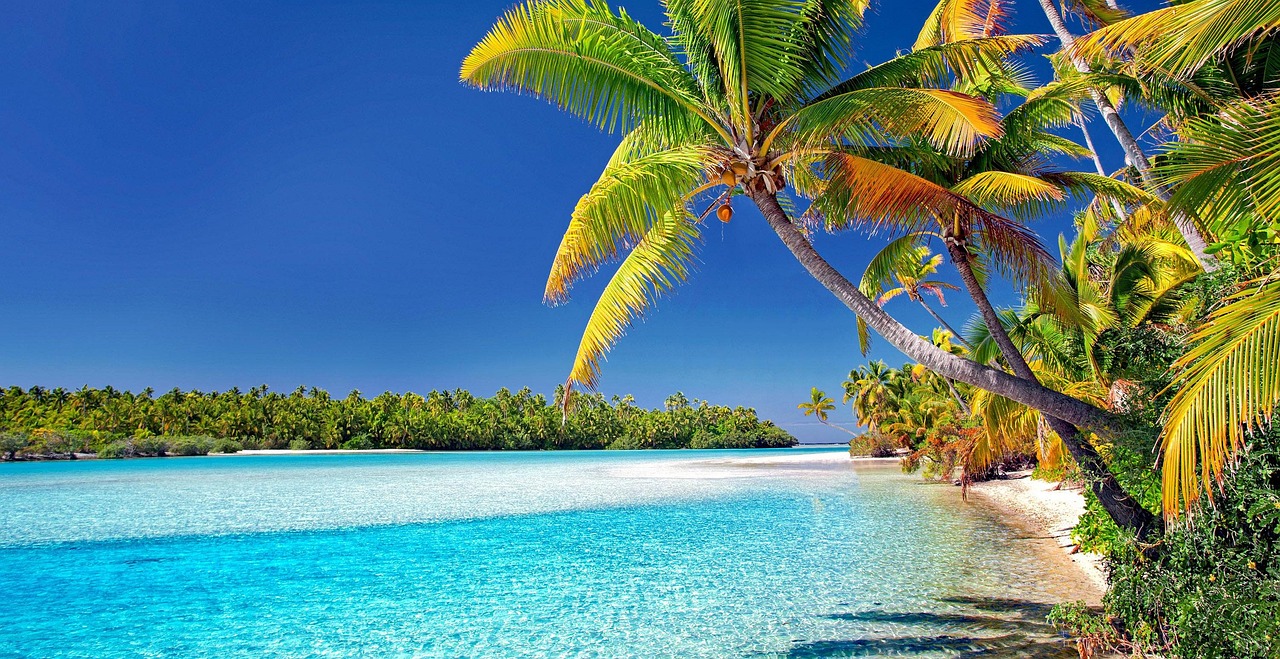
Fifteen Islands and an Unhurried Welcome
The Cook Islands are a self-governing island nation in free association with New Zealand, scattered across the South Pacific between Samoa and French Polynesia. Fifteen islands, split into a northern and southern group, share a total land area of around 240 square kilometres, and Rarotonga is the largest and the main gateway. The islands are known for clear lagoons, uncrowded beaches, rugged volcanic interiors and a culture that blends Polynesian heritage with the ease of island life.
Rarotonga is a high volcanic island, ringed by a coast road that takes about 45 minutes to drive end to end, with a reef-fringed lagoon on every side. Muri Lagoon, on the southeast coast, is a classic for kayaking and sailing, while the Cross-Island Track climbs through rainforest to the Needle, a rock pinnacle with views over both coasts. Local culture is celebrated in dance, drumming and ukulele music, and the islands are known for their intricate tivaevae quilts and carved crafts.
Rarotonga, Aitutaki and Island Nights
Aitutaki, a short flight from Rarotonga, is the second great draw, with one of the Pacific's most beautiful lagoons, pale sandbanks and the tiny motu of One Foot Island. Lagoon cruises with a picnic, snorkelling among giant clams and fishing trips are signature days out. Atiu, Mitiaro and Mauke, the quieter islands, offer caves, birdlife and an unhurried village welcome for those who travel further.
Evenings centre on the island night, a feast of fish, taro, coconut and breadfruit followed by drumming and dance, and on the Punanga Nui market in Avarua, which fills with food stalls and crafts each Saturday morning. A hotel group can sell the islands' scale, with boutique lodges, villas and beachfront resorts all within easy reach. The Cook Islands combine neatly with Tahiti, Samoa and Fiji, and with a stop in New Zealand on the way.
Dry Season Sun and the Route There
May to October is the drier, cooler season, with sunny days and gentle breezes ideal for lagoon sports and walks. November to April is warmer and a little wetter, with lush greenery and lower rates at many places. The Te Maeva Nui celebrations in late July and early August mark the nation's constitution with dance, canoe racing and cultural performances, and are the best time to see local traditions at full volume.
Rarotonga International Airport has flights from Auckland, Sydney, Los Angeles and Tahiti, and UK travellers typically connect via Auckland or Los Angeles, with the whole journey taking at least a day. Air Rarotonga serves Aitutaki and the other islands. For airline and tourism partners, TheCookIslands.co.uk gives a straightforward home for a destination whose appeal lies in its calm, its lagoons and its genuinely warm welcome.
Beachfront Villas, Lagoon Lodges and Island Homes
Rarotonga's stays cluster around its coast road. Muri, on the southeast coast, is the most popular area, with a shallow lagoon, four small motus and a cluster of beach villas, cafes and watersports, ideal for families and couples. The south and west coasts, including Titikaveka and Aroa, offer long beaches, snorkelling over the reef and calmer settings. Avarua, the capital, is the base for culture, the Saturday market and restaurants, while the north coast has sunset views and relaxed guesthouses. Because the island is small, anywhere on the coast is under half an hour from the airport and every restaurant.
Aitutaki's stays are more secluded, with lagoon-front villas and a handful of boutique resorts, including private motu retreats reached by boat, perfect for honeymooners. Smaller islands such as Atiu offer homestays and eco-lodges with cave visits and birdwatching, and Mauke and Mitiaro suit those who want to follow village life. Styles include self-catering beachfront villas for families, simple guesthouses for budget travellers, and upscale resorts with spas and chef-led dining. A classic stay splits a week between Rarotonga for variety and Aitutaki for lagoon beauty, with the short flight a sightseeing experience in its own right, and gives every kind of traveller a balanced journey.
Ika Mata, Tivaevae and Dance Under Palms
Cook Islands cuisine centres on fresh fish and root crops. Ika mata, raw tuna in coconut milk and lime, is the signature dish, with rukau, taro leaves in coconut cream, and kumara, taro and breadfruit cooked in an earth oven called an umu. Fresh coconut, papaya, mango and pineapple are seasonal staples. Saturday's Punanga Nui Market in Avarua is a social event, with food stalls, craft sellers, live music and fresh fruit. Local cafes serve coffee grown on Rarotonga, and chefs on the island combine Polynesian ingredients with French and Pacific influences in restaurants overlooking the lagoon.
Island arts are vivid. Tivaevae, hand-sewn quilts of bright appliqué, are sewn by women across the islands and make treasured souvenirs, while pearls, shell jewellery and wood carvings are sold at markets and galleries. Dance groups perform in the hip-swaying style that the Cook Islands are known for, with drumming and ukulele shaping the evening. Te Maeva Nui in late July and early August is the national festival, with competitions and parades, and the Dancer of the Year contest highlights young talent. Church choirs are a Sunday highlight, and the dry months of May to October bring the best weather for festival visits.
Lagoon Cruises, Mountain Tracks and Whale Season
Active days in Rarotonga are built around the water and the interior. Kayaks and stand-up paddleboards are ready at Muri, snorkellers explore the Fruits of Rarotonga reef and Rarotonga's Aroa Marine Reserve, and divers visit the Rarotonga wrecks and coral gardens. Humpback whales pass between July and October, and whale-watching trips are a seasonal highlight. The Cross-Island Track climbs to the Needle, guided walks explain native plants and medicinal uses, and cyclists enjoy the flat coast road. Aitutaki adds lagoon cruises, fishing, a visit to Maina and snorkelling among giant trevally, with a picnic on One Foot Island.
Stays can be shaped by theme: a family week on Rarotonga with beach days and a culture night, a honeymoon between both islands, or an off-the-beaten-track trip adding Atiu. Day trips include the Maire Nui Gardens, a pearl farm visit and Arorangi's historic church. The islands pair easily with Tahiti, Samoa and Fiji, with Los Angeles or New Zealand as gateways. An AI platform could help travellers compare island combinations, and Hawaii makes a natural Pacific companion for guests who want to see more of Polynesia.
Planning your stay
Rarotonga is the main island, with a single coast road of about 32 kilometres, a mountainous interior with walking trails, and a ring of small resorts, cafes and markets. Aitutaki, a short flight away, is the famous lagoon island, with sandbars, small motu and snorkelling in shallow turquoise water.
The country is in free association with New Zealand, so New Zealand is the usual connecting point from the UK. It pairs naturally with Tahiti and French Polynesia, with Fiji and Samoa, and with the longer routes to Australia.
When to go
The drier and cooler months from roughly May to October are the most comfortable and the most popular.
Flights are limited and often full in peak periods such as the Christmas and school holiday weeks, so book early. Weather can affect inter-island flights to Aitutaki, so avoid a tight connection to an international departure on the same day.
Entry rules
The Foreign, Commonwealth and Development Office covers the Cook Islands, Tokelau and Niue on one page, and says the authorities in those places set and enforce entry rules, with the New Zealand High Commission as the contact in the UK. For the Cook Islands, your passport must have an expiry date at least six months after the date you plan to leave and at least two blank pages.
You can visit without a visa for up to 31 days, and if you are staying longer you may need a visa or entry on arrival permit. Monthly extensions are possible for a total stay of five months, and you must apply at least two weeks before your visa or permit expires. At border control, you must have a ticket for onward or return travel, a visa for the next country you are travelling to and proof of accommodation during your stay.
Cash, cards and phones
Credit and some debit cards are widely accepted on Rarotonga and in some places on Aitutaki, but you must use cash on the other islands. If you plan to visit the outer islands, bring enough cash with you.
Mobile coverage can be limited away from the main islands, and many UK phones do not roam, so check your provider's arrangements or buy a local SIM. Hotels and resorts usually arrange tours and transfers, which helps if you are relying on cash.
Before you travel
Entry requirements and official travel guidance are updated regularly, so check the latest position with your government before booking. The sources we used are listed at the foot of this page.
Why the Cook Islands matter to the industry
The Cook Islands are a small, high-trust destination where travellers need practical answers on flights, cash and entry before they book. TheCookIslands.co.uk lets a hotel group, airline or tourist board publish them, and our AI platform carries them to searchers.
Our destination guides cover other small island nations, and the OTA page shows how booking platforms reuse practical content like this.
Questions travellers ask about The Cook Islands
Do UK citizens need a visa for the Cook Islands?
No visa is needed for up to 31 days. For longer stays you may need a visa or entry on arrival permit. Your passport needs an expiry date at least six months after you plan to leave and two blank pages.
Can I use cards and ATMs in the Cook Islands?
The only ATMs are on Rarotonga and Aitutaki. Cards are widely accepted on Rarotonga and some places on Aitutaki, but you must use cash on the other islands.
What are the Cook Islands best known for?
The Cook Islands are best known for Rarotonga's Muri Lagoon, Aitutaki's pale-sand lagoon and One Foot Island, uncrowded beaches and a relaxed Polynesian welcome, with island nights of drumming, dance and local food adding to the appeal.
When is the best time to visit the Cook Islands?
May to October is the drier, cooler season with sunny days and light breezes. Late July brings the Te Maeva Nui celebrations, a good time to experience local dance, music and canoe racing.
Where should I stay in Rarotonga?
Muri suits families and couples with its shallow lagoon and cafes, the south and west coasts suit quiet beach time, and Avarua suits culture and market visits. The island is small, so every area is within about 30 minutes of the airport.
What is there to do on Aitutaki?
Take a lagoon cruise with a picnic on One Foot Island, snorkel among giant clams and trevally, try a fishing trip, visit local churches and enjoy sunset on the beach. Short flights from Rarotonga make a day trip easy.
In the Visit Travel Group portfolio: TheCookIslands.co.uk.