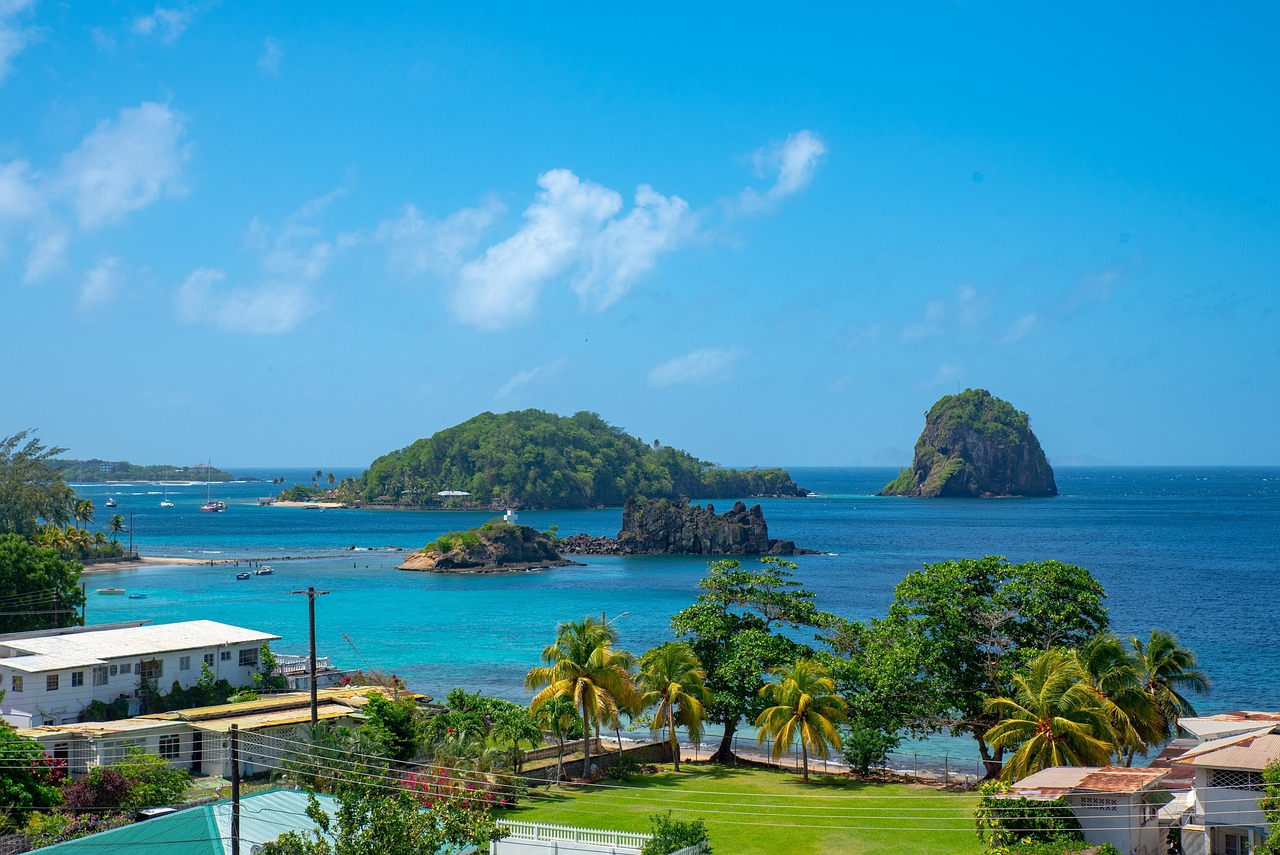
Thirty Islands Between Two Caribbean Neighbours
The Grenadines are a chain of small islands in the Lesser Antilles, lying on a line between Saint Vincent and Grenada and known for sheltered sailing, quiet beaches and a clear, reef-ringed sea. The archipelago holds about 32 islands and cays in total, with a combined land area of just 86 square kilometres and a population near 20,880. Politically, the northern two-thirds belong to Saint Vincent and the Grenadines, and the southern third to Grenada. The scale is intimate, and distances between islands are short, so a day often includes more than one anchorage.
Each island has its own mood. Bequia, home to about 5,300 people, is the friendly hub, with Port Elizabeth and a long boat-building tradition. Mustique, with roughly 800 residents, is known for quiet, private luxury. Union Island, with about 2,700, is a lively sailing base, Canouan has some 1,200 residents and a growing resort scene, and Mayreau, at around 280, is a tiny, characterful island of simple beauty. Carriacou, the largest of all with about 10,000 residents, belongs to Grenada and has its own unhurried rhythm.
Tobago Cays and the Art of Island Hopping
The Tobago Cays are the archipelago's most celebrated sight: a marine reserve of small uninhabited islands set behind a horseshoe reef, with shallow, brilliantly clear water and sandy anchorages. Sailing is the natural way to experience them, and charter yachts, catamarans and traditional schooners all ply the waters between islands. Even travellers who rarely sail find that a day on a boat here is easy and relaxed, with a snorkel and a picnic on a deserted sandbar as the main agenda.
Away from the water, the islands offer simple pleasures: beach bars with grilled lobster, small villages with colourful shops and evenings under the stars. For a booking platform, the Grenadines are a rewarding product because itineraries can be built in many ways, from a week on a single island to a two-week voyage. Bequia is the gentlest first stop, and Saint Vincent provides the gateway for most visitors.
Planning a Grenadines Journey
Ferries, small aircraft and the local schooner link the islands, while yacht charters begin from bases in Saint Vincent, Bequia and Grenada. The dry months from December to May are the most popular, with steady trade winds and clear skies, and Bequia's Easter Regatta is a highlight of the spring calendar. Because the islands are small, accommodation tends to be intimate: boutique hotels, villas and guesthouses rather than large resorts.
The chain sits near several other destinations. Grenada anchors the southern end, St Lucia lies to the north, and Barbados provides a major gateway to the east. A name like TheGrenadines.co.uk gives hotels, airlines and tourist boards one home for the whole archipelago story, helping travellers understand how easily a single trip can combine several very different islands.
Where to Stay: Island by Island in the Grenadines
Choosing a Grenadines stay means choosing an island, and each offers a different mood. Mustique suits those who want private villas, a quiet shoreline and a famously low-key social scene. Canouan has a larger resort, a golf course and a smart marina, and works well for groups and golfers. Mayreau, with only a few hundred residents, has the crescent beach of Saltwhistle Bay and a handful of simple inns, ideal for couples. Union Island has a lively harbour at Clifton and small hotels that suit sailors and kitesurfers, and Chatham Bay on its western side offers a wilder beach with relaxed beach restaurants.
Private-island resorts are a signature. Palm Island and Petit St Vincent each hold a single resort on a palm-fringed islet, where cottages sit just above the sand and the day moves between sea, book and long dinner. Bequia offers harbour-side guesthouses and hillside villas for those who like a village atmosphere, and Carriacou, in the south, has small inns, a relaxed capital in Hillsborough and Tyrrel Bay as a yachting hub. Most guests combine two or three islands in a week, using ferries, small aircraft or a chartered yacht, and the short distances mean each move takes a morning or less.
Big Drum, Boat Builders and a Year of Regattas
Culture in the Grenadines is rooted in the sea and in community. Carriacou is known for the Big Drum, a dance and drumming tradition that honours the island's African ancestors, and for boat-building skills passed down through families. Union Island and Bequia keep their own boatyards, and the schooners that once carried cargo between islands are remembered in local stories. Food follows the catch: grilled lobster, fish and conch, coconut bake, roti and fresh fruit, often served beneath a palm roof on the sand. Small galleries and craft stalls sell shells, paintings and model boats, and music at beach bars ranges from steel pan to reggae.
The year has a regatta rhythm. Easter is the high point in Bequia and Union Island, with races, music and beach parties. The Carriacou Maroon and String Band Music Festival, held in spring, celebrates the island's traditional music and food, and the Carriacou Regatta in early August fills the harbour with racing boats and festival stalls. Mustique's Blues Festival, in late January and early February, is a polished musical week. The dry season from December to May is ideal for sailing, while the quieter summer months suit those who like warm seas and fewer boats. An airline connection through Barbados or St Lucia can anchor the whole journey.
Snorkel Reefs, Kite Lagoons and Sailing Weeks
The Grenadines are among the best places in the Caribbean to be active on the water. The Tobago Cays offer snorkelling with turtles in shallow water behind Horseshoe Reef, and divers explore walls and wrecks around Carriacou, Union Island and Bequia. Kitesurfers love the flat, windy lagoon at Clifton on Union Island, while paddleboarders and kayakers find calm bays everywhere. Sandy Island, a tiny sandbar off Carriacou, is protected as a marine park and makes a perfect picnic stop. Walkers climb Mount Taboi on Union Island or the hills behind Bequia for views across the whole chain, and golfers play at the resorts on Canouan.
Sailing is the way to see it all. A week on a catamaran or monohull from a base in Bequia or Grenada can touch five or six islands, anchoring in a different bay each night. Land-based guests can use ferries and short flights to hop from Saint Vincent to the smaller islands. Beyond the chain, St Lucia and Barbados make natural gateways, and Tobago adds another quiet island to the south. An AI platform can help travellers match island, season and budget, building itineraries around snorkelling, sailing, golf or simple beach days.
Planning your stay
The Grenadines stretch roughly 60 miles between the main islands of St Vincent and Grenada. Most of them, including Bequia, Mustique, Canouan, Mayreau and Union Island, belong to St Vincent and the Grenadines, while Carriacou and Petite Martinique belong to Grenada. The border between the two countries runs through the chain, so passport and immigration rules depend on which islands you visit.
Each island has its own character. Bequia is the easiest to reach and has the most guesthouses. Mustique is private and expensive, Canouan has a larger resort development, and Mayreau and Union Island are quieter. The Tobago Cays are a protected marine park known for turtles and clear water, and it is a major reason people sail the chain.
Sailing and getting around
The Grenadines are one of the best known sailing grounds in the Caribbean. The distances are short, the winds are steady, and there is a harbour or anchorage within a day's sail of the next. Charter operators offer both crewed and bareboat options, and crewed yachts remove the need for sailing experience. Many visitors combine a few nights ashore with a few days afloat.
If you are not sailing, ferries and small aircraft link the main islands, though schedules are limited and can change. Most UK visitors fly first to St Vincent, Grenada or a regional hub such as Barbados, then continue by boat or small aircraft. Allow time between connections.
Entry rules for UK visitors
You do not need a visa, and on entry you are granted six months.
If you are sailing between the two countries, you will need to complete immigration and customs formalities at each border, so plan the ports of entry and exit in advance.
When to go
December to May is the dry season and the main sailing season, with steady trade winds and the busiest anchorages. The Atlantic hurricane season runs from June to November, and Hurricane Beryl caused severe damage to Carriacou and Petite Martinique in July 2024, a reminder that these small islands can be hit hard. Check the current status of any island you plan to visit, because rebuilding and reopening can continue for a long time after a storm.
If you are choosing a single island, ask what you want from the stay. Bequia suits an easy week with restaurants and a harbour, Mustique suits privacy and a large budget, and Union Island suits kitesurfing and a more local feel. A first trip often works best as a few nights ashore followed by a short charter.
Before you travel
Entry requirements and official travel guidance are updated regularly, so check the latest position with your government before booking. The sources we used are listed at the foot of this page.
Why the chain matters to partners
The Grenadines are a classic example of a destination that sells itself on choice, yet confuses travellers about where to start. A clear guide that explains the islands, the borders and the season makes a booking easier. That is useful to hotel and charter partners, to online travel agencies and to tourist boards on both sides of the border.
Our AI platform can answer those questions conversationally, and our Caribbean guide shows how the chain fits into the wider region.
Questions travellers ask about The Grenadines
Which countries do the Grenadines belong to?
Most belong to St Vincent and the Grenadines, including Bequia, Mustique, Canouan, Mayreau and Union Island. Carriacou and Petite Martinique belong to Grenada. Entry rules depend on which country you are in.
Do I need to be an experienced sailor?
Not necessarily. Crewed charters are widely available, and distances between islands are short. If you plan to skipper yourself, check the operator's requirements first.
When is the best time to sail the Grenadines?
December to May is the dry season with steady trade winds. Hurricane season runs from June to November, so choose flexible bookings if you travel then.
What are the Grenadines best known for?
The Grenadines are best known for sailing, small islands such as Bequia, Mustique and Union Island, and the Tobago Cays marine reserve. The short distances between islands make them one of the Caribbean's easiest and most rewarding island-hopping regions.
Which islands are in the Grenadines?
There are about 32 islands and cays. Bequia, Mustique, Canouan, Mayreau and Union Island belong to Saint Vincent and the Grenadines, while Carriacou, the largest, and Petite Martinique belong to Grenada.
Which Grenadines island should I choose for a first visit?
Bequia is the friendliest first stop, with a harbour village, easy ferries and plenty of beaches. Mustique suits private villa stays, Mayreau suits romantic cove stays, and Union Island suits sailors and kitesurfers who want a lively harbour.
What are the best things to do in the Grenadines?
Snorkel with turtles at the Tobago Cays, sail between islands by catamaran, dive reefs around Carriacou and Union Island, kitesurf at Clifton, and picnic on Sandy Island. Easter regattas and spring music festivals add festival days to a stay.
In the Visit Travel Group portfolio: TheGrenadines.co.uk, TheGrenadines.uk, Grenadines.co.uk, Grenadines.uk.