The Isle of Spice and Its Easy Charm
Grenada is an independent island nation in the southern Caribbean, known as the Isle of Spice for its nutmeg and mace, and for beaches, waterfalls and a warm, easygoing welcome. It covers 344 square kilometres and had about 114,600 residents in 2024, with St George's as its capital. Independence came on 7 February 1974. Nutmeg arrived in 1843 on a merchant vessel and now appears on the national flag, while cinnamon, cloves, ginger and cocoa grow in the island's fertile hills and fill the air with scent.
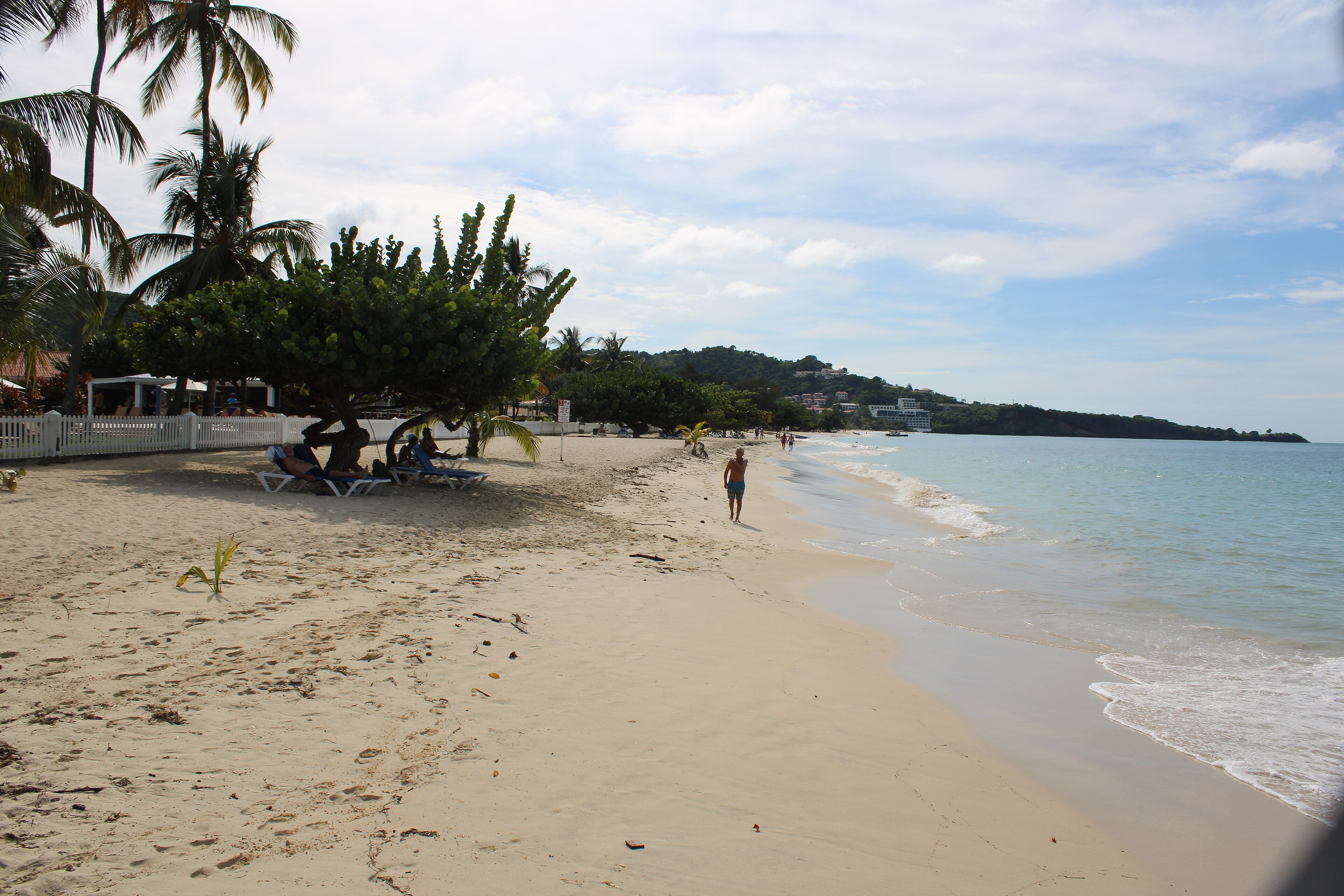
St George's is among the Caribbean's prettiest capitals, with a horseshoe harbour, pastel-coloured buildings and a hillside fort. Just south, Grand Anse Beach runs for around three kilometres and is often counted among the best beaches in the world. Inland, the forest around the Grand Etang crater lake and the Annandale Falls give walkers a cool, green contrast. Mount St Catherine, at 840 metres, is the island's highest point, with trails that reward patient hikers.
Chocolate, Oil Down and Spicemas
Food is a major attraction. Oil down, a rich stew of salted meat, breadfruit and vegetables simmered in coconut milk, is the national dish, and local cocoa feeds a thriving bean-to-bar scene, with estate tours and tastings that make a delicious day out. Fresh fish, nutmeg ice cream and spiced sauces are everywhere. Spicemas, the island's carnival in August, fills the streets with music, costume and community energy, a highlight for visitors who want to feel Grenada's character at its most exuberant.
Beneath the surface, Grenada has an unusual cultural attraction: the Underwater Sculpture Park in Moliniere Bay, created by Jason deCaires Taylor in 2006, where sculptures form an artificial reef for snorkellers and divers. For a hotel group, the combination of spice, chocolate, art and beaches makes a rich, varied story. Neighbouring Saint Vincent and the Grenadines and St Lucia offer comparable green landscapes.
Carriacou, Petite Martinique and Timing
Grenada's sister islands, Carriacou and Petite Martinique, lie to the north and form the southern end of the Grenadines. Carriacou, the largest of the chain, is a quiet island with beaches and a strong sailing culture, and Hillsborough is its small main settlement. Ferries link them to Grenada, so a short stay on a sister island fits easily within a wider holiday. The result is a destination that offers both lively main-island experiences and slower, more remote ones.
The dry months from January to May are the most popular, though the green season brings lush hillsides and a very peaceful island. Grenada sits comfortably within a wider regional trip: Trinidad and Tobago lies to the south and Barbados to the east. A name like Grenada.co.uk gives airlines, boards and hotels a single, memorable home for the story of the Isle of Spice.
Where to Stay: Grand Anse, Morne Rouge and Beyond
Grenada's stays follow its bays. Grand Anse is the main resort area, with a long beach, hotels, apartments and restaurants, and suits families, groups and first-time visitors who like to have everything close. Morne Rouge, just to the south, has a quieter bay and a relaxed village feel, good for couples and those who like to wake close to the water. Further south, Lance aux Epines and True Blue have villa estates, marinas and a sociable yachting scene, while Port Louis marina, in St George's, adds city-side apartments with views of the harbour.
Away from the south-west, the island is calmer. St George's has guesthouses and small hotels in historic buildings for culture seekers, and the east coast has quiet bays such as Grand Bacolet and the sand at La Sagesse for private, secluded stays. Eco-lodges and spice estate cottages in the hills, near the Grand Etang forest, suit walkers and birdwatchers, and the north, around Levera, offers simple stays near a national park and a nesting beach. Carriacou and Petite Martinique add small inns for island-hoppers. Many guests choose one base in the south and add a few nights elsewhere to see the island's different sides.
Nutmeg Stations, Fish Fridays and Chocolate Festivals
Spice is Grenada's sensory signature, and the best way to understand it is to visit the source. At Gouyave, the nutmeg processing station lets visitors watch the nutmeg being sorted, graded and dried, and Dougaldston Spice Estate offers a hands-on tour among cocoa, nutmeg and cinnamon. Callaloo soup, pelau, lambi conch and fresh fish are staples, with nutmeg and cinnamon in sweets and tea. On Friday evenings Gouyave's Fish Friday turns the town into a street feast of grilled fish, fried snapper and local sweets, with music and neighbours at every corner. Belmont Estate, with its cocoa and farm, is a lovely place for a long lunch.
The festival year is lively. Independence Day on 7 February brings parades and celebration, and the Grenada Chocolate Festival, held in May, celebrates the island's bean-to-bar makers with tastings and tours. Carriacou's regatta in August and the Carriacou music festival in spring add island flavour, and Spicemas follows in August. The dry months from January to May are the best for beaches and hiking, and the greener summer months suit those who prefer quiet trails. An airline partnership could showcase these moments as long-weekend breaks from Europe, with a food or festival theme in each season.
Waterfalls, Wrecks and Sailing from Grenada
Active travellers are well served. Seven Sisters Falls and Concord Falls are among the best-loved waterfalls, reached by forest trails, and the Grand Etang forest has paths for walkers of every level. Divers visit the wreck of the Bianca C, a large cruise liner sunk in the harbour at St George's and often called the Titanic of the Caribbean, and coral gardens off the south and west coasts. At Levera, leatherback turtles nest on the beach in the spring and early summer, with guided turtle-watching tours. Cyclists, kayakers and paddleboarders enjoy the sheltered bays, and sailing schools run from the southern marinas.
Day trips and extensions are easy. Ferries and short flights link Grenada to Carriacou and Petite Martinique, which add quiet beaches, boat building and reef snorkelling, and a day trip to Sandy Island, a tiny sandbar off Carriacou, is a favourite. Sailors can continue north through the Grenadines, and travellers can add Tobago to the south, St Lucia to the north or Barbados as a gateway. Wellness lovers can plan stays around spas using local spices and cocoa. A booking platform can package these into a single, flexible itinerary built around a south-coast base.
Planning your stay
Grenada is known as the spice island, and the nutmeg, mace and cocoa estates are part of the visit. The south coast around Grand Anse and Point Salines holds most of the hotels, restaurants and the long Grand Anse beach. St George's, the capital, is a colourful harbour town with a fort and a busy market, and the north and east are greener and quieter.
Inland, the Grand Etang forest reserve has crater lakes and walking trails, and there are waterfalls within a short drive of the coast. Underwater, the Molinere sculpture park and the reefs make Grenada a good choice for divers and snorkellers. The overall feel is relaxed, local and less polished than some neighbours.
Getting there
Most UK travellers fly to Maurice Bishop International Airport, where British Airways flies from Gatwick in about 10 hours 40 minutes with a short stop, and Virgin Atlantic runs a seasonal Heathrow service of about 11 hours via Barbados. Others connect through Barbados or St Lucia. Check which airlines currently serve the route, because schedules change by season. The airport is on the south west of the island, close to the main hotel area.
From Grenada you can reach the smaller islands of Carriacou and Petite Martinique by ferry or a short flight, and the wider Grenadines chain beyond. Tobago is also within reach for travellers building a southern Caribbean itinerary.
Entry rules for UK visitors
You can visit without a visa, and on entry you are allowed to stay for a maximum of three months.
A yellow fever certificate is required if you are coming from a country listed as a transmission risk, and you should check TravelHealthPro before you travel. You must declare anything that may be prohibited or subject to tax or duty at customs.
When to go
The dry season runs from January to May and has the most settled weather. The wet season follows, with more rain but also lower prices. Grenada lies south of the main hurricane belt, which makes direct hits less common, though the Atlantic hurricane season runs from June to November and the island has been damaged in the past. Hurricane Ivan in 2004 caused severe damage, and Hurricane Beryl devastated Carriacou and Petite Martinique in July 2024.
If you visit between September and November, choose refundable fares and a policy that names storm cover. The Spicemas carnival in August and the chocolate and food festivals are the best known events, and dates should be confirmed with official sources.
Grenada is also a good choice for a stay that mixes beach days with something to do. Estate tours, chocolate making, a rum distillery visit, a boat trip along the coast and a walk to a waterfall are all easy to arrange from the south coast. Taxis are widely available, hire cars drive on the left, and the roads inland are narrow and winding, so allow extra time.
Before you travel
Entry requirements and official travel guidance are updated regularly, so check the latest position with your government before booking. The sources we used are listed at the foot of this page.
Where it fits
Grenada works as a base for a wider southern Caribbean trip. St Vincent and the Grenadines is the natural neighbour to the north, and Trinidad and Tobago sits to the south. Our Caribbean guide compares the Windward Islands with the rest of the region.
For hotels and tourist boards, a mid size island like Grenada competes on specifics rather than on fame. That is why tourist board partners and our AI platform focus on accurate local detail, and why you can browse the rest of the network through our destination guides.
Questions travellers ask about Grenada
What is the best time to visit Grenada?
January to May is the driest and most settled period. The wet season has lower prices and more rain.
Can I visit Carriacou from Grenada?
Yes, by ferry or a short flight. Carriacou was badly affected by Hurricane Beryl in 2024, so check current conditions before you plan a visit.
Why is Grenada called the Isle of Spice?
Grenada earned the name through its nutmeg and mace, which arrived in 1843 and became a major export, and through cloves, cinnamon, ginger and cocoa. Nutmeg is still featured on the national flag.
What is Grenada's best-known beach?
Grand Anse Beach, close to the capital St George's, is Grenada's best-known stretch of sand. It runs for about three kilometres and is often described as one of the best beaches in the world, with calm water, restaurants and easy access.
Where should families stay in Grenada?
Grand Anse is the best-known choice for families, with its long, calm beach, restaurants and hotels close together. Morne Rouge and True Blue offer quieter alternatives with villas and apartments, and both are only a short drive from the capital and the airport.
What should I do on a rainy day in Grenada?
Visit the nutmeg processing station at Gouyave, tour a spice or chocolate estate, explore St George's with its fort, harbour and market, or enjoy a spa treatment. Waterfall walks are also lovely after rain, when the forest is lush and the falls are full.
In the Visit Travel Group portfolio: Grenada.co.uk, Grenada.uk, VisitGrenada.co.uk.