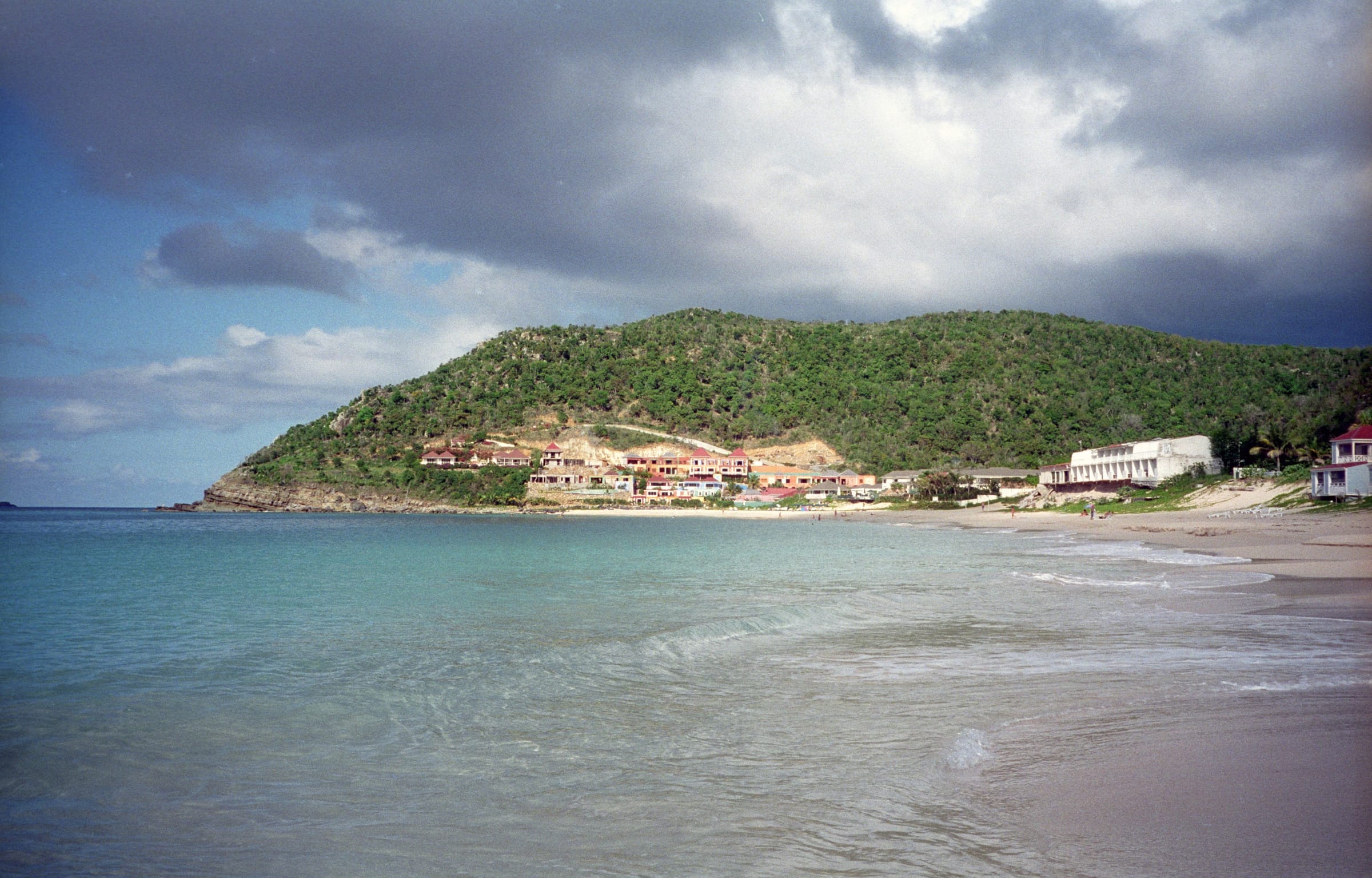
Why St Barths Became the Caribbean's Most Polished Island
Saint Barthélemy, known as St Barths, is a French overseas collectivity in the Leeward Islands, about 30 kilometres south-east of St Martin, famous for graceful hospitality, small beaches and a distinctly French way of living. It covers just 25 square kilometres and had a population of 10,660 in 2023. Roughly 200,000 visitors arrive each year, drawn by the combination of food, style and privacy. The island became a separate collectivity in 2007, and its confident, small-scale identity is evident in everything from boutiques to beach clubs.
Its history adds depth. King Louis XVI traded the island to Sweden in 1784 in return for trading privileges in Gothenburg, and Sweden held it until 1878, making St Barths the only Caribbean island to have been a Swedish colony for any significant time. The capital Gustavia still carries a Swedish name, and its harbour, lined with restaurants and yachts, is the island's heart. The Musée Territorial tells the story through artefacts from the French, Swedish and British periods.
Saline, Colombier and Creole-French Tables
The beaches are small and individual rather than vast. Saline is a long, open stretch of pale sand backed by dunes; Gouverneur is one of the most secluded; Shell Beach sits just beside Gustavia; Saint-Jean is the island's social centre; and Colombier, reached by boat or a footpath, is a tranquil cove. Each has its own atmosphere, and local guides can usually recommend the right one for the morning's mood.
Food is part of the identity: French technique and fresh Caribbean seafood meet in restaurants ranging from beach cafes to destination dining rooms, and Gustavia's boutiques offer a very French style of shopping. For a hotel group, the combination of design, privacy and cuisine is a compelling story. Nearby St Martin provides the usual gateway, while Anguilla and Guadeloupe offer contrasting French and British-flavoured island experiences.
Festival Season and Getting There
The island's calendar is built around the winter. The St Barths Music Festival takes place each January, and a yacht regatta season fills the harbour with sails. Gustaf III Airport welcomes small regional aircraft, and regular ferries operate between St Martin and St Barths, so most guests arrive via the larger neighbour. The dry months from December to April are the most popular, though the island offers a quieter charm outside them.
For travel brands, St Barths is a case study in how a small place can build a powerful identity. An AI platform can help present the story consistently across languages and channels, while a name like VisitStBarth.co.uk gives hotels, boards and airlines a single home for it. Other islands that share a similar scale include St Kitts and Nevis, and the wider Caribbean offers endless variety for return trips.
Where to Stay: Villas, Coves and Harbour Style
St Barths is an island of villas, and the choice of neighbourhood shapes the stay. Gustavia, the harbour capital, suits those who want boutiques, galleries and restaurants on the doorstep, with small hotels overlooking the yachts. St-Jean, the busiest beach, is close to the airport and has beach clubs and family-friendly cafes, while Lorient and Flamands offer longer, quieter sands. Pointe Milou and Colombier, on the hills above rocky coves, are the homes of private villas with pools and long views, ideal for couples and groups who value space and privacy. Grand Cul-de-Sac, on the east, has a calm lagoon, a good base for kitesurfing and families.
The south and the Atlantic coast give different moods. Saline and Gouverneur are surrounded by dunes and quiet, a good choice for travellers who like to wake near an almost empty beach. Toiny, on the wild south-east coast, has cliff-top villas facing the open ocean, and Anse des Cayes suits surfers and anyone who loves wide skies. Famous hotels such as Eden Rock at St-Jean add heritage and glamour to the mix, and boutique inns in the hills give a personal feel. Most guests choose a villa for a week, with a chef, a car and a calendar of beach lunches, though a hotel stay in Gustavia is an easy option for a short break.
Accras, Straw Hats and the St Barths Year
Eating well is the point here. Creole dishes such as accras, spiced fritters made with fish or vegetables, sit beside French pastries, fresh lobster, grilled fish and tropical fruit, and the island has an unusually high number of restaurants for its size. Local crafts are quieter pleasures. The tradition of weaving delicate palm fibre into hats, bags and baskets, passed down through generations of island women, can still be seen in Corossol, a fishing village with a Norman look and a small shell museum. The Wall House museum in Gustavia, the Swedish clock tower and the old bell tower give the harbour a layer of history, and boutiques and art galleries line the streets.
The year is full of occasions. Christmas and New Year are the busiest, with yachts filling the harbour, and January brings the music festival. Carnival arrives before Lent, with costumed parades through Gustavia and a friendly, family atmosphere. In March, the Bucket Regatta brings some of the world's most graceful superyachts to race around the island, and the culinary festival in November is a highlight for food lovers. On 24 August, the island celebrates its patron saint with a day of music, food and games. Spring and early summer are quieter and sunny, with lighter bookings and a gentler, local rhythm for guests who like space.
Snorkel Coves, Sea Trips and Sister Islands
Active days on St Barths are easy to arrange. The island's marine reserve protects the waters around Colombier and Gouverneur, and snorkellers find turtles and reef fish a few strokes from the beach at Shell Beach and Colombier. Boats leave for Ile Fourchue, an uninhabited island with calm bays, and for sailing days around the coast. A footpath from Colombier to Anse de Grand Fond makes a pleasant coastal walk, and the footpaths above Gustavia give views over the harbour. Surfers head to Lorient and Toiny, kitesurfers to Grand Cul-de-Sac, and divers to reefs and wrecks off the north coast.
St Barths is simple to link with neighbours. A short ferry or flight reaches St Martin, where French and Dutch flavours mix, while Anguilla offers a barefoot beach counterpart. Sailors often continue to Antigua or the British Virgin Islands, and the quiet island of St Kitts adds heritage. Travel brands can pair the island with an airline connection through St Martin, building an itinerary that mixes polished days on St Barths with a different atmosphere nearby. A stay can centre on sailing, on food or on wellness, with spa treatments and morning walks at the shore.
Planning your stay
St Barths, often written St Barth or St Barthélemy, is a hilly French territory only a few miles across. Gustavia, the harbour town, has designer shops and good restaurants, and the island is ringed by small beaches, each with its own character. Shell Beach is close to town, Saline is wilder and longer, and Colombier is reached by a short walk or by boat.
The island's reputation is for luxury villas and yachts, and prices are among the highest in the Caribbean. It is not a family package destination. It suits travellers who want French food, privacy and a very particular style. The currency is the euro and the language is French, although English is widely spoken in hotels and restaurants.
Getting there takes planning
The airport is small and its runway short, so only small aircraft land there. There is no direct UK flight. UK visitors usually fly one-stop to Sint Maarten, for example via Amsterdam or Paris, then take a short flight or a ferry across from St Martin. You can also connect through Guadeloupe or other regional gateways. Allow for baggage limits on the small aircraft and for the possibility that weather or timing affects the sailings.
A transfer in the middle of a long journey is a real cost, so decide early whether you want the speed of the small plane or the lower cost of the boat. The sea can be rough on some days, and the crossing is not for everyone.
Entry rules for UK visitors
It says your passport must have an expiry date at least three months after the date you plan to leave. British citizens can visit without a visa for up to three months. If you stay longer, work or study, you need to check the French visa process.
When to go
The dry season from December to April is the busiest and the most expensive, with New Year's Eve at the top of the range. Many restaurants and shops shut for part of the autumn, so a shoulder season trip can mean fewer choices.
If you are tied to a particular week, book accommodation early, because the choice of properties is limited. Villa rental is the usual route for groups.
Where it fits
St Barths pairs naturally with the Leeward Islands to the south and east. Anguilla and St Martin share its gateway, while Nevis offers a quieter alternative. For hotels and tourist boards, the lesson is that a premium island needs very precise information, because the traveller is spending a lot and expects the details to be right.
That is the case for hotel partnerships on this network, and for our AI platform, which answers questions about transfers and rules without sending travellers to a brochure. See also our destination guides.
Before you travel
Entry requirements and official travel guidance are updated regularly, so check the latest position with your government before booking. The sources we used are listed at the foot of this page.
Practical notes for planning
Because St Barths is French, the practical habits are French too: dinner is booked well ahead in the high season, shops often close for a long lunch, and driving is on the right. Most visitors hire a small car or a moke, since the roads are narrow and steep. Take a bank card that works in euros, check your mobile roaming arrangements, and confirm whether your villa includes airport transfers, because arrivals by small aircraft often land at awkward times.
Questions travellers ask about St Barths
How do I get to St Barths from the UK?
There is no direct flight. Most visitors fly one-stop to Sint Maarten via Amsterdam or Paris, then take a small aircraft or a ferry. Check baggage limits and sailing times before you book.
What currency does St Barths use?
The euro. Many places accept cards, but it is useful to carry some cash. Prices are high compared with most Caribbean islands, so budget accordingly.
When is the best time to visit?
Gustavia and the beaches are at their best from December to April, when prices peak. Some businesses close in the autumn, and the Leewards storm season peaks between August and October.
What is St Barths best known for?
St Barths is best known for French-Caribbean style, small beaches such as Saline and Colombier, the harbour at Gustavia and a polished restaurant scene. Its Swedish colonial history, from 1784 to 1878, is also unique among Caribbean islands.
How do you get to St Barths?
Most visitors arrive via St Martin, either by regular ferry or on small regional aircraft into Gustaf III Airport. The island sits about 30 kilometres south-east of St Martin, so the connection is quick and easy to plan.
Where should I stay on St Barths for a first visit?
Gustavia suits those who like boutiques and restaurants, St-Jean suits beach lovers and families, and Pointe Milou and Colombier suit couples and groups who prefer private villas with pools. Grand Cul-de-Sac is a calm lagoon base for kitesurfing.
What is there to do on St Barths on a cloudy day?
Browse the boutiques and galleries of Gustavia, visit the Wall House museum, watch weavers at Corossol, and enjoy a long Creole or French lunch. A snorkel trip to Shell Beach or a spa afternoon also works well when the sun takes a break.
In the Visit Travel Group portfolio: VisitStBarth.co.uk, VisitStBarths.co.uk, VisitStBarts.co.uk.