A Kingdom of Deserts, Coasts and Heritage
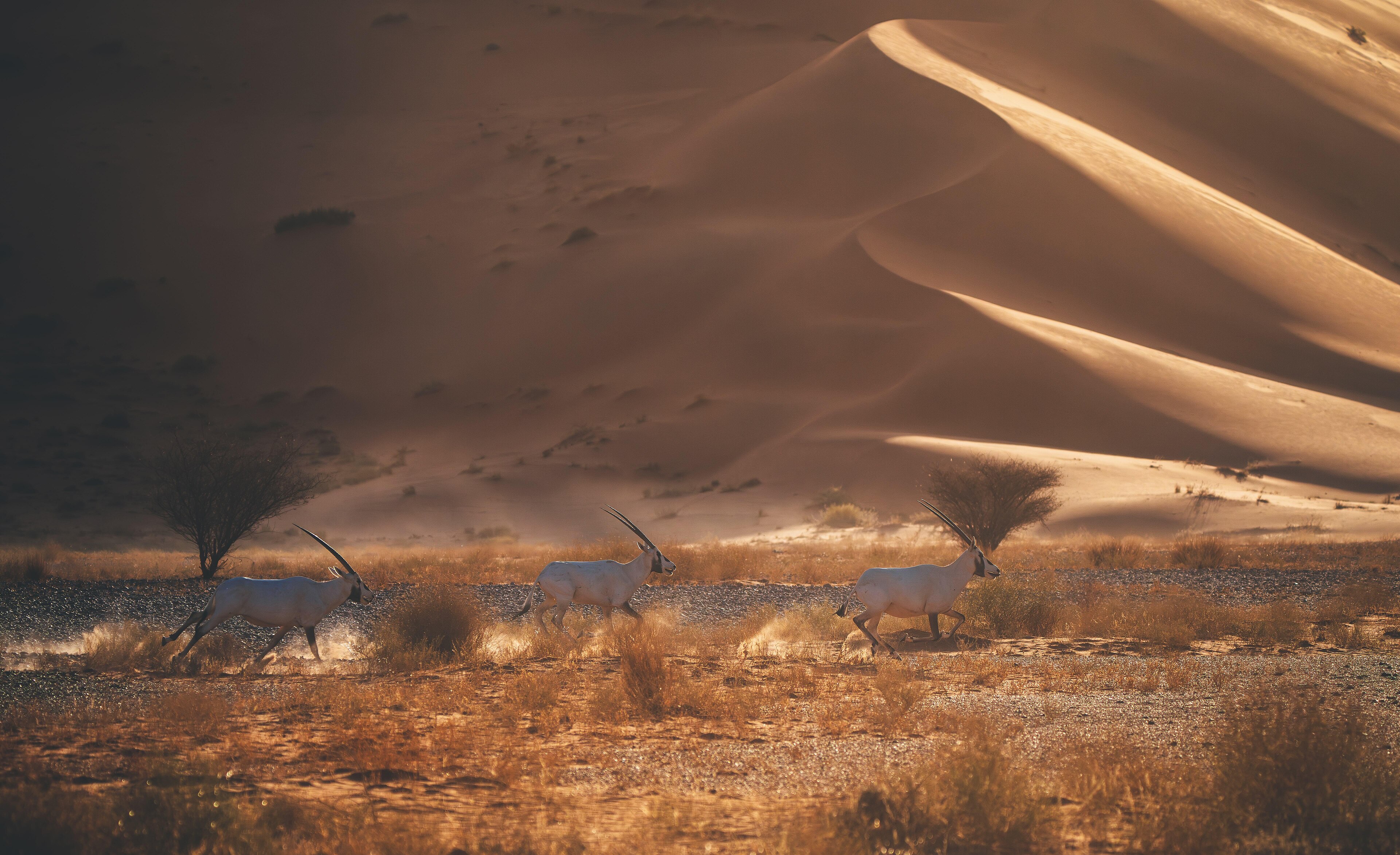
Saudi Arabia is a country occupying most of the Arabian Peninsula, known for its desert landscapes, Red Sea coastline, the holy cities of Mecca and Medina and a fast-growing tourism offer. Riyadh is the capital, and the country stretches from the Red Sea in the west to the Arabian Gulf in the east. Its scale is the first thing that strikes visitors: mountains, lava fields, dunes, oases and island archipelagos all sit within a single kingdom, and each region carries its own architecture, food and character.
Heritage is a major strand. Diriyah, near Riyadh, holds the mud-brick quarter of At-Turaif, inscribed by UNESCO in 2010 and associated with the founding of the first Saudi state, while Hegra at AlUla became the country's first UNESCO site in 2008. Historic Jeddah, the old coastal quarter known as Al-Balad, was added in 2014. Across these places, visitors find a country that is proud of its past and increasingly open to sharing it, a story that suits tourist boards and cultural partners alike.
AlUla, the Red Sea and Riyadh
AlUla is the best-known heritage region, a valley of sandstone cliffs, desert canyons and Nabataean rock tombs, with a growing programme of concerts, arts and desert festivals. On the west coast, the Red Sea offers some of the clearest water and healthiest coral in the region, and new island developments bring resort stays to this shoreline. See the dedicated guides to AlUla, Jeddah and the Red Sea for the detail behind each of these regions.
Riyadh gives the contemporary counterpoint, with museums, restaurants and entertainment districts growing around the capital, while the Asir mountains in the south-west offer cooler air, terraced villages and greener hills. The Edge of the World cliffs near Riyadh are a popular desert excursion. Nearby, the Gulf neighbours of Qatar and the Dubai emirate make natural companions for a wider Arabian journey, with short regional flights linking each of them.
Flavours, Festivals and Planning a Visit
Saudi cuisine is rich and generous: kabsa, spiced rice with lamb or chicken, is the national favourite, alongside dates, Arabic coffee with cardamom and a great variety of regional breads and sweets. The Hejaz coast adds seafood and spice-market flavours, while the south offers its own mountain traditions. Seasonal events, from desert music festivals to cultural gatherings in Riyadh and AlUla, bring a lively programme to the cooler months, and the pace of new openings makes every return visit different.
The cooler season from about October to March is the most comfortable for exploring desert and heritage sites, and the Red Sea can be enjoyed across a long season. International airports in Riyadh, Jeddah and AlUla link the country with the UK and the wider region, and tourist e-visa routes have made planning simpler. A name like VisitSaudiArabia.co.uk gives airlines, hotels and boards one clear place to tell the whole story, region by region.
Where to Stay Across the Kingdom
Saudi Arabia offers a stay for every mood, shaped by its regions. In Riyadh, city hotels and boutique addresses put guests close to museums, restaurants and the restored quarter of Diriyah, and are ideal for culture seekers and business travellers who want to add leisure days. In Jeddah, seafront hotels and heritage guesthouses around Al-Balad give a coastal feel, with sea breezes and seafood close at hand. AlUla's desert resorts and tented camps are among the most distinctive in the region, with design that follows the sandstone canyons and a calm that suits couples and luxury travellers.
Along the Red Sea, island and beachfront resorts bring reef, sand and quiet luxury, and families and divers will find water-sport programmes and shallow lagoons. In the south-west, mountain lodges and farmhouse stays in the Asir hills give hikers cool air, terraced views and village hospitality. Eastern coast hotels in Khobar and Dhahran offer a seaside base on the Gulf, with family beaches and a relaxed pace. A good itinerary mixes two or three styles, such as a city, a desert camp and an island, and Qatar makes a polished add-on for travellers continuing around the Gulf.
Kabsa, Coffee and the Saudi Festival Year
Food and craft show the kingdom's regional variety. Najdi kitchens in the centre serve kabsa and jareesh, the Hejaz adds sayadiyah, stuffed breads and spiced seafood, and the south is known for honey, coffee and hearty grain dishes. Saudi coffee, flavoured with cardamom and poured from a long-spouted dallah, is a sign of welcome, and dates are served at every gathering. Crafts include Sadu weaving, silver jewellery, incense and the colourful painted doorways of the Asir region, where women of the villages decorate walls in bright geometric patterns that are protected as cultural heritage.
The festival year is rich. Winter brings desert music, arts and heritage events in AlUla and Riyadh, along with large cultural gatherings, film and food festivals, and sporting fixtures. Spring is a pleasant season for the mountains and the Red Sea, summer brings coastal festivals in Jeddah and cooler weather in the Asir highlands, and autumn is a lively time for the arts. For an airline or tourism partner, the range of seasons is a real asset, and the heritage of Jeddah gives a vivid starting point for the story.
Reefs, Mountains and Desert Journeys
Active travellers find a great deal here. Divers and snorkellers head to the Red Sea for coral gardens and wrecks, sailors explore the island coast, and hikers climb into the green hills of the Asir mountains, where cable cars and viewpoints open out over cloud-filled valleys. In the north, the canyons and sandstone formations around AlUla suit guided walks, cycling and hot-air balloon flights. Golfers will find new courses in Riyadh and on the coast, and wellness travellers can add desert retreats and hammam-style spa days. Families can add camel rides and sand-dune adventures.
Journeys can be built in loops. A classic combination links Riyadh and Diriyah with AlUla for heritage, then flies on to the Red Sea for beach days. Another starts in Jeddah, travels by high-speed rail to Medina, and adds the mountains of Taif for cooler air and rose gardens. Neighbouring Dubai and Abu Dhabi extend the trip to the Emirates, and the Red Sea guide gives further ideas for island stays. With so much variety, the kingdom suits repeat visits as well as one grand tour.
Planning your stay
Saudi Arabia combines desert heritage, historic port cities and a coast being developed for tourism. AlUla has Hegra, the country's first UNESCO World Heritage Site, Jeddah has the historic Al-Balad district and a Red Sea corniche, and the Red Sea coast in the north-west has new island and desert resorts, including Sheybarah Island. Laheq Island is a residential island that has been announced but is not yet open.
Riyadh, the capital, is an inland business and events city. Many UK visitors are business travellers, pilgrims or people on organised tours, and independent leisure tourism is newer than in the UAE, so ask a tour operator or hotel to confirm arrangements in writing.
When to go and getting there
Winter, roughly November to March, is the most comfortable season for most of the country, and summer is very hot. Direct flights from London to Riyadh and Jeddah take roughly six and a half hours. AlUla and the Red Sea destination have their own airports with limited routes, and we have not found a published non-stop service to either from the UK, so expect to connect and check airlines for current services.
Entry rules: visa, ETA and e-visa waiver
Your passport must have an expiry date at least six months after the date you arrive, and you must have a visa to visit. Tourists can also apply for an e-visa, valid for 365 days and for multiple entries totalling 90 days, online or on arrival at any of Saudi Arabia's international airports.
An electronic visa waiver allows a single entry and a stay of up to 180 days, and should be applied for at least 48 hours before your flight.
Umrah and Hajj
Many British nationals travel to Saudi Arabia each year for Umrah or Hajj. You must have a certificate of vaccination against the ACWY strains of meningitis at least 10 days before arriving.
Around Hajj, the Saudi authorities have stopped visitors who are not performing Hajj from flying to Jeddah, Madinah and Taif, although you can still enter through other airports. If you lose your passport during Hajj you will need an Emergency Travel Document.
Before you travel
Entry requirements and official travel guidance are updated regularly, so check the latest position with your government before booking. The sources we used are listed at the foot of this page.
Why Saudi Arabia matters to the industry
Saudi Arabia is one of the largest tourism investment programmes in the world, and the rules and risks change as it opens. VisitSaudiArabia.co.uk lets a tourist board, hotel group or airline publish current, sourced guidance that does not overstate what is available.
See our destination guides and AI platform for how that content is found by travellers and assistants.
Questions travellers ask about Saudi Arabia
What is Saudi Arabia best known for?
Saudi Arabia is best known for its vast desert landscapes, the holy cities of Mecca and Medina, UNESCO heritage such as Hegra at AlUla and At-Turaif at Diriyah, and its Red Sea coast, where new island resorts and reef experiences are opening.
When is the best time to visit Saudi Arabia?
The cooler months from about October to March are the most comfortable for desert and heritage sites in AlUla, Diriyah and Riyadh, and also bring most festivals and concerts. The Red Sea coast can be enjoyed across a longer season.
Where should I stay in Saudi Arabia for a first visit?
A first visit works well with three bases: Riyadh or Diriyah for museums and heritage, AlUla for desert canyons and tombs, and a Red Sea beach resort or Jeddah for coast and food. Each region has a distinct mood and a good choice of hotels.
What food should I try in Saudi Arabia?
Try kabsa, spiced rice with lamb or chicken, Hejazi mutabbaq and sayadiyah fish, fresh dates and cardamom coffee. Regional honey, breads and sweets in the Asir mountains and the Red Sea coast add delicious variety.
In the Visit Travel Group portfolio: VisitSaudiArabia.co.uk, SaudiHolidays.co.uk.