Darwin's Living Laboratory in the Pacific
The Galapagos Islands are a volcanic archipelago in the Pacific Ocean, about 1,000 kilometres west of mainland Ecuador, known for wildlife found nowhere else on Earth. Made up of 13 main islands and many smaller islets, they were the first place in the world to be inscribed as a UNESCO World Heritage Site, in 1978. Charles Darwin visited in 1835, and the observations he made of finches, tortoises and mockingbirds helped shape his theory of evolution by natural selection.
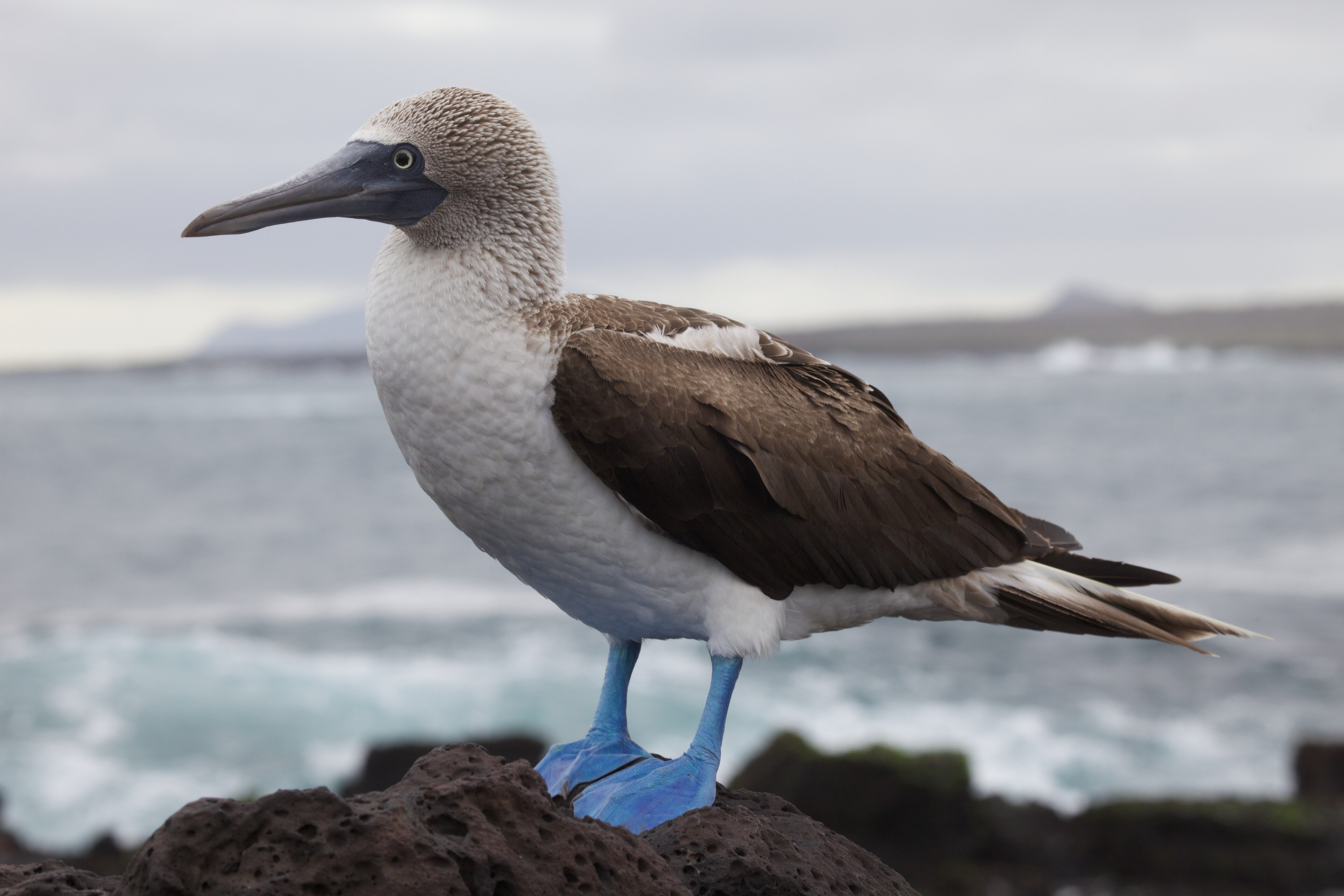
What astonishes visitors is how close the wildlife comes. Sea lions doze on the jetties, marine iguanas bask on black lava, blue-footed boobies perform courtship dances, and giant tortoises amble through highland pastures on Santa Cruz. Snorkelling brings encounters with penguins, sea turtles and sometimes hammerhead sharks. The islands' remoteness and protection mean that animals show little fear of people, giving photographers and families alike an extraordinary experience.
Santa Cruz, Isabela and Island-Hopping by Sea
There are two classic ways to explore. Small expedition ships follow itineraries around the archipelago, with naturalist guides leading landings on islands such as Española, Genovesa and Fernandina. Land-based stays, centred on Santa Cruz, San Cristobal and Isabela, combine boutique hotels with day trips by boat. Puerto Ayora, on Santa Cruz, has the Charles Darwin Research Station, home to a breeding programme for giant tortoises, while Isabela's volcanoes and flamingo lagoons create dramatic walking.
Highlights include the Bartolome lava landscape with its view of Pinnacle Rock, the white sands of Tortuga Bay, Gardner Bay on Española and snorkelling at Kicker Rock off San Cristobal. A tourist board or cruise operator can promote this variety to wildlife enthusiasts, families and photographers. Many travellers pair the islands with Colombia, or with the Andes and Amazon on the mainland, and some extend to Rio de Janeiro for a wider South American journey.
Two Seasons and the Flight from the Mainland
The Galapagos enjoy two main seasons. From roughly December to May, the weather is warmer and the sea calmer, ideal for snorkelling and for seeing nesting sea turtles and hatchlings. From June to November, cooler waters and a misty highland landscape bring abundant marine life, and whales can be seen. Wildlife is the draw in every month, with different species active at different times of year.
Visitors reach the islands by flight from Quito or Guayaquil on the Ecuadorian mainland, landing on Baltra near Santa Cruz or on San Cristobal, a journey of roughly two hours. From the UK, the trip typically involves a connection through Madrid, Amsterdam or the Americas. For airline and tourism partners, VisitGalapagosIslands.co.uk offers a ready showcase for one of the most remarkable wildlife destinations on the planet.
Expedition Ships, Land-Based Hotels and Eco-Lodges
Galapagos stays divide into ships and islands. Small expedition vessels carry between 16 and 100 guests on itineraries of four to ten nights, visiting remote sites such as Genovesa, Fernandina and Espanola with naturalist guides, and are best for those who want maximum wildlife. Land-based stays centre on Puerto Ayora on Santa Cruz, with restaurants, shops and the Darwin Station, and Puerto Baquerizo Moreno on San Cristobal, a quieter harbour with sea lions on the waterfront. Puerto Villamil on Isabela has sandy streets, flamingo lagoons and a laid-back charm, ideal for couples and walkers.
Eco-lodges in the Santa Cruz highlands, with tortoises roaming the grounds, give a rural contrast, and luxury hotels on the coast offer spa treatments and guided day trips. Families often favour land-based stays, because children can swim with sea lions on a day tour and return to a hotel each evening, while photographers prefer ships that visit more remote sites. Yachts and catamarans offer a middle path, with smaller groups and flexible schedules. A balanced trip might combine three nights on a ship with three on land, mixing remote landings with the convenience of town life and easy dinners.
Ceviche, Highland Coffee and Island Life
Food in the Galapagos draws on the sea and Ecuador's mainland. Ceviche, with fresh fish or shrimp, lime and onion, is a staple, and encebollado, a fish soup with yuca and onion, is a hearty favourite. Lobster, grilled tuna and wahoo appear on menus in Puerto Ayora, while seco de chivo, goat stew, and fried plantains show the mainland influence. Galapagos coffee grows in the highlands of San Cristobal and Santa Cruz, and tropical fruit juices, such as naranjilla and passion fruit, are everyday treats. Kiosks along Charles Binford Avenue in Puerto Ayora come alive in the evening with grilled seafood.
Culture in the Galapagos is closely tied to conservation. The Charles Darwin Research Station, the Interpretation Centre in San Cristobal and the giant tortoise breeding programmes explain the islands' science. Local artisans carve driftwood and make jewellery from tagua nuts, a vegetable ivory, while festivals include the Galapagos founding celebrations in February and island anniversaries through the year. Wildlife calendars shape trips: sea turtle nesting in the warmer season from December to May, waved albatross nesting on Espanola from April to December, and blue-footed booby courtship at different times across the year. Every month holds a distinct wildlife spectacle.
Snorkelling, Highlands and Mainland Add-Ons
Activities are close to nature. Snorkelling with sea lions at Champion Island, Kicker Rock and Floreana is a highlight, while divers head to Gordon Rocks and the northern islands of Darwin and Wolf for hammerhead schools. Kayaks glide through mangroves, paddleboards cross quiet bays, and walkers visit the Tortoise Reserve at El Chato, the lava tunnels of Santa Cruz and Sierra Negra's crater on Isabela. Surfers ride the breaks at San Cristobal's Tongo Reef, and cyclists enjoy the road to Tortuga Bay. Photographers can capture frigatebirds, penguins, flightless cormorants and iguanas within minutes of each other, all without long journeys.
Many travellers build their stay around a mainland journey. Quito offers a UNESCO-listed old town, the Mitad del Mundo equator monument and cloud forest lodges, while the Amazon and Andean markets add variety. Linking the Galapagos with Colombia works well for a two-country trip, and Rio de Janeiro extends a South American itinerary. Those on a longer voyage can pair it with Antarctica for the planet's two great wildlife journeys. A tourist board could use these combinations to promote slow travel, and Mexico gives a northern counterpoint for guests continuing their Latin American trip.
Planning your stay
The Galápagos lie about 900 kilometres off the coast of Ecuador, and visitors arrive by air from Quito or Guayaquil at Baltra or San Cristóbal. The main choice is between a live-aboard cruise, which visits several islands on a set itinerary, and a land-based stay on Santa Cruz, San Cristóbal or Isabela with day trips by boat.
Wildlife includes giant tortoises, marine iguanas, sea lions, blue-footed boobies and snorkelling with turtles. Tour operators handle most park arrangements. The islands are one of the world's headline wildlife journeys, alongside Antarctica, and many South American itineraries also include Colombia or Rio de Janeiro.
When to go
The Galápagos can be visited all year, and the choice is between conditions. Roughly January to May is warmer and wetter, with calmer seas and warm water for snorkelling. Roughly June to November is cooler and drier, with cooler water and more mist in the highlands, and wildlife behaviour varies by season, so ask your operator what to expect for your dates.
The Foreign, Commonwealth and Development Office says the rainy season in Ecuador usually runs from October to May but can last until June, and advises monitoring local media and checking your itinerary with your tour operator in heavy rain.
Entry rules and park fees
All travellers must register their entry and exit in the national immigration database, and you may be asked for your reason for travel and proof of a return or onward journey. There are no restrictions for anyone flying into Ecuador.
Entry to the Galápagos itself involves a Galápagos National Park fee and a transit control process run by the Ecuadorian authorities, and amounts and rules can change, so we do not quote figures here. Your tour operator or airline should confirm the current charges, and the Galápagos National Park Directorate publishes official information.
Before you travel
Entry requirements and official travel guidance are updated regularly, so check the latest position with your government before booking. The sources we used are listed at the foot of this page.
Why the Galápagos matter to the industry
The Galápagos are a premium, heavily researched destination where operators, boats and permits matter. Through VisitGalapagosIslands.co.uk, a tourist board, hotel or lodge group or airline can set out park rules, boat standards and permit steps, and our AI platform hands them to people researching the islands.
Other wildlife journeys are covered in our destination guides, and the OTA page explains how booking platforms pass such pages on.
Questions travellers ask about The Galápagos Islands
How much are the park fees?
Park fees and transit control rules are set by the Ecuadorian authorities and can change. Check the current figures with your tour operator and the Galápagos National Park Directorate.
What are the Galapagos Islands best known for?
The Galapagos are best known for unique wildlife such as giant tortoises, marine iguanas, blue-footed boobies and sea lions, and for Charles Darwin's visit in 1835. They became a UNESCO World Heritage Site in 1978, among the first ever inscribed.
When is the best time to visit the Galapagos?
Wildlife is active all year. December to May is warmer with calm seas, good for snorkelling and turtle nesting, while June to November is cooler, with rich marine life and chances to see whales. Both seasons offer great experiences.
Should I choose a cruise or a land-based stay in the Galapagos?
Cruises reach remote islands with naturalist guides and suit keen wildlife fans, while land-based stays on Santa Cruz, San Cristobal or Isabela suit families and those who prefer hotels. A combination of both is a popular choice.
What food should I try in the Galapagos?
Try fresh ceviche, encebollado fish soup, grilled wahoo or lobster, fried plantains and local highland coffee. Fruit juices such as naranjilla are refreshing, and Puerto Ayora's evening kiosks serve grilled seafood in a lively street setting.
In the Visit Travel Group portfolio: VisitGalapagosIslands.co.uk.