Two Coasts, Three Andes and One Warm Welcome
Colombia is a country in northwestern South America with coastlines on both the Caribbean Sea and the Pacific Ocean, known for colonial cities, coffee, emeralds, biodiversity and a growing reputation for hospitality. The Andes split into three ranges that run through the country, creating a landscape of high plateaus, river valleys and cloud forest. Bogota, the capital, sits at about 2,600 metres, while the Caribbean coast is warm and tropical and the Amazon lies to the south.
Colombia is one of the world's most biodiverse countries, with more bird species than any other nation, and its cultural variety is just as impressive. Vallenato and cumbia grew from the Caribbean coast, salsa defines Cali, and Garcia Marquez, the Nobel Prize-winning author of One Hundred Years of Solitude, drew inspiration from the Caribbean region. Colombian food rewards curiosity, from arepas and bandeja paisa to ajiaco soup in Bogota, fresh seafood on the coast and tropical fruits such as lulo and guanabana.
Cartagena, Medellin and the Coffee Region
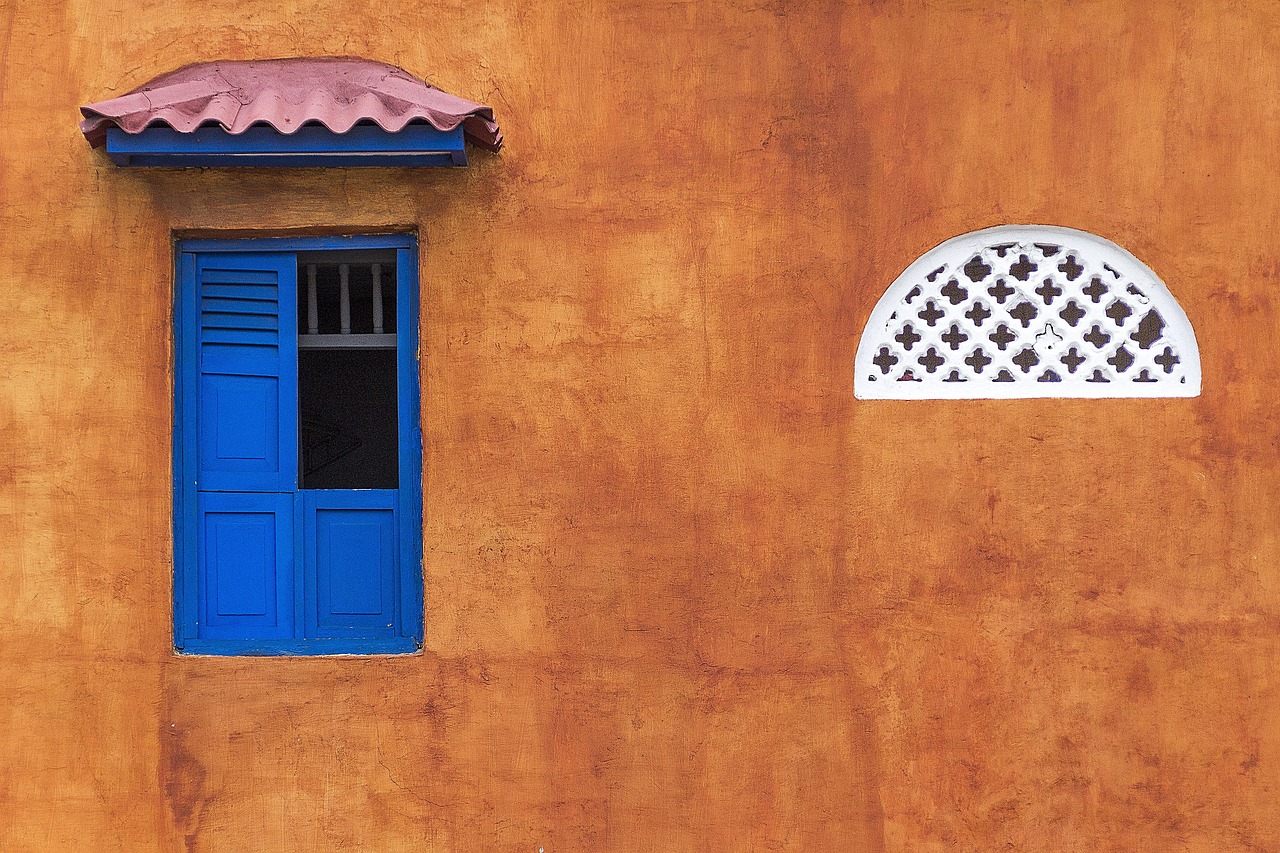
Cartagena is the showpiece, a walled colonial port on the Caribbean coast whose old town, forts and harbour were inscribed by UNESCO in 1984. Pastel facades, bougainvillea balconies and horse-drawn carriages give it a romance few cities can match, and the Rosario Islands lie a short boat ride offshore. Nearby, Tayrona National Natural Park combines jungle trails with beach coves, and Santa Marta is a gateway to the Sierra Nevada.
Inland, Medellin, the City of Eternal Spring, has reinvented itself through cable cars, galleries and its Botero sculptures, while the Coffee Cultural Landscape of Colombia, a UNESCO site, is a region of fincas, hill towns such as Salento and the Cocora Valley's tall wax palms. Bogota offers the Gold Museum and the Candelaria old quarter. A tourist board can sell this range to a very wide audience. Colombia pairs naturally with the Galapagos Islands, with Rio de Janeiro and with the Caribbean islands offshore.
Seasons, Flights and Getting Around
Colombia has no winter or summer in the northern sense, because altitude shapes the climate. The Caribbean coast is driest from December to March, Bogota is cool and often clear from December to March and July to August, and the coffee region is pleasant year-round. Festivals include the Barranquilla Carnival before Lent, one of the largest in Latin America, the Medellin Flower Festival in August and the Cartagena Hay Festival in January.
Direct flights connect London with Bogota in about 11 hours, with onward domestic flights to Cartagena, Medellin and Cali taking an hour or so. Domestic routes make internal travel quick, and the Pacific coast offers whale watching from July to October. For airline and hospitality partners, ColombiaTours.co.uk gives a ready platform to tell the story of a country that rewards both short city breaks and longer, deeper journeys, including links to Mexico and beyond.
Colonial Casas, Coffee Fincas and Beach Hotels
Colombia's stays are shaped by its regions. In Cartagena, restored colonial mansions inside the walled city, with courtyards, rooftop pools and balconies, are the signature, while Getsemani is the artistic, youthful neighbourhood beside it. Bogota's choices include boutique hotels in Chapinero and Usaquen, plus historic stays in La Candelaria, close to the Gold Museum. Medellin is best in El Poblado, with design hotels and restaurants, or Laureles for a more local feel. Santa Marta and the Tayrona coast offer eco-lodges and beach cabanas, and the Rosario Islands have simple resorts for a few quiet nights.
The Coffee Region offers fincas, working farms turned guesthouses, near Salento, Manizales and Armenia, where guests sleep among coffee bushes and wake to tours and tastings. Villa de Leyva, a whitewashed colonial town in Boyaca, suits couples and weekenders. Adventurers choose San Gil for rafting and paragliding, while Providencia and San Andres offer Caribbean island stays with distinct Raizal culture. Cali is the salsa capital, with lively hotels near the Rio Cali. A good first itinerary links Bogota, the Coffee Region and Cartagena, giving mountains, plantations and sea within a manageable two weeks and with short domestic flights.
Arepas, Coffee Culture and Festivals Year-Round
Colombian food is regional and generous. Bandeja paisa, a hearty platter of beans, rice, pork and plantain, is the Medellin classic, while ajiaco, a chicken and potato soup, warms Bogota evenings. On the coast, coconut rice, fried fish and ceviche are staples, arepas de huevo are sold by street vendors, and empanadas appear everywhere. Fruit is extraordinary: lulo, maracuya, guanabana and pitahaya fill Bogota's Paloquemao market. Colombian coffee, grown in high Andean slopes, is of course the star, and tastings in the Coffee Region explain washing, drying and roasting. Hot chocolate with cheese is a Bogota breakfast tradition.
Festivals thread through the year. January has the Hay Festival in Cartagena, February the Barranquilla Carnival, and April the Medellin Feria de las Flores preparations before August's parade of silleteros carrying flower arrangements on their backs. Cali's Feria de Cali in December features salsa, while Bogota's Rock al Parque and Iberoamerican Theatre Festival draw crowds. Museums include the Gold Museum, Botero Museum and the Museo de Antioquia, and street art tours in Bogota and Comuna 13 in Medellin show contemporary creativity. Dry months in the Andes and coast from December to March suit festivals, with July and August also bright.
Coffee Trails, Whales and Caribbean Day Trips
Active ideas are many. Walk through the Cocora Valley's wax palms, hike to Tayrona's Cabo San Juan beaches, cycle in Bogota's Ciclovia on Sundays, or paraglide above Chicamocha Canyon. Divers visit the Rosario Islands and Providencia's reefs, and birdwatchers search for hummingbirds near Jardin and Manizales. Humpback whales visit the Pacific coast near Nuqui and Bahia Solano from July to October. Cartagena's day trips include mud bathing at Totumo, and Medellin's cable car ride to Parque Arvi gives views and walking. Guided city walks reveal street art, salsa clubs and coffee shops.
Stays can be built around themes. A coffee and culture trip might link Bogota, the Eje Cafetero and Medellin, a beach week might combine Cartagena, the Rosario Islands and Tayrona, and a nature itinerary could add the Pacific whales or Amazon at Leticia. Colombia pairs naturally with the Galapagos, Rio de Janeiro and the Caribbean. A airline could promote multi-city flights, and Costa Mujeres and Mexico are easy neighbours for guests wanting a longer Latin American loop. Day trips from Bogota to the Salt Cathedral at Zipaquira are always popular.
Planning your stay
Bogotá is the capital, set at about 2,600 metres, with a historic centre, the Gold Museum and a strong food scene. Medellín has a mild climate, cable cars and a tech and design reputation. Cartagena is the walled Caribbean port, the coffee region around Armenia and Salento offers estates and hiking, and the Caribbean coast has national parks.
Colombia suits a two or three week trip that links two or three of these areas by domestic flights. It sits alongside Rio de Janeiro on many South American itineraries, and its neighbour Ecuador's Galápagos Islands are a popular extension. The polar journey to Antarctica is a separate trip, but it draws the same long-haul South American traveller.
When to go
December to March is the main dry season in much of the Andean region and on the Caribbean coast, and July and August are also relatively dry. April to May and October to November are the wetter periods in Bogotá and the coffee region, though rain is often short.
Temperature depends on altitude more than season, so pack layers for Bogotá and light clothing for Cartagena. Bogotá's altitude can affect some visitors, so allow time to acclimatise and check TravelHealthPro before you go.
Entry rules
The Foreign, Commonwealth and Development Office says you can visit Colombia for up to 90 days without a visa for business or tourism, at the discretion of the Colombian immigration officer on arrival, and that you must be able to show an onward or return ticket valid within that period. Your passport must be valid on entry, but Colombian authorities recommend an expiry date at least six months after the date you plan to leave.
British-Colombian dual nationals must enter and leave Colombia using their Colombian passport and identification card. You may be able to extend your stay once in Colombia, so check the details with the authorities.
Before you travel
Entry requirements and official travel guidance are updated regularly, so check the latest position with your government before booking. The sources we used are listed at the foot of this page.
Why Colombia matters to the industry
Colombia is a growing market where travellers weigh up visitor information carefully before they commit. ColombiaTours.co.uk lets a tourist board, hotel group or airline publish accurate, current guidance, and our AI platform carries it to searchers.
Questions travellers ask about Colombia
Do UK citizens need a visa for Colombia?
No visa is needed for up to 90 days for business or tourism, at the discretion of the immigration officer. You must show an onward or return ticket valid within that period.
What is Colombia best known for?
Colombia is best known for the walled city of Cartagena, Andean coffee country, Medellin's cable cars and spring-like climate, Bogota's Gold Museum, Caribbean beaches, and extraordinary biodiversity, including more bird species than any other country.
How long is the flight from the UK to Colombia?
Direct flights from London to Bogota take about 11 hours. From Bogota, domestic flights reach Cartagena, Medellin and other cities in roughly an hour, so combining several regions in one trip is straightforward.
Where should couples stay in Colombia?
Couples love a restored colonial mansion in Cartagena's walled city, a finca in the Coffee Region near Salento, and a boutique hotel in Medellin's El Poblado. Villa de Leyva adds a whitewashed, romantic weekend escape.
What food should I try in Colombia?
Try bandeja paisa, ajiaco soup, arepas, fresh coastal ceviche and coconut rice, and tropical fruits like lulo and guanabana. Colombian coffee tastings in the Coffee Region are a must, and hot chocolate with cheese is a Bogota tradition.
In the Visit Travel Group portfolio: ColombiaTours.co.uk.