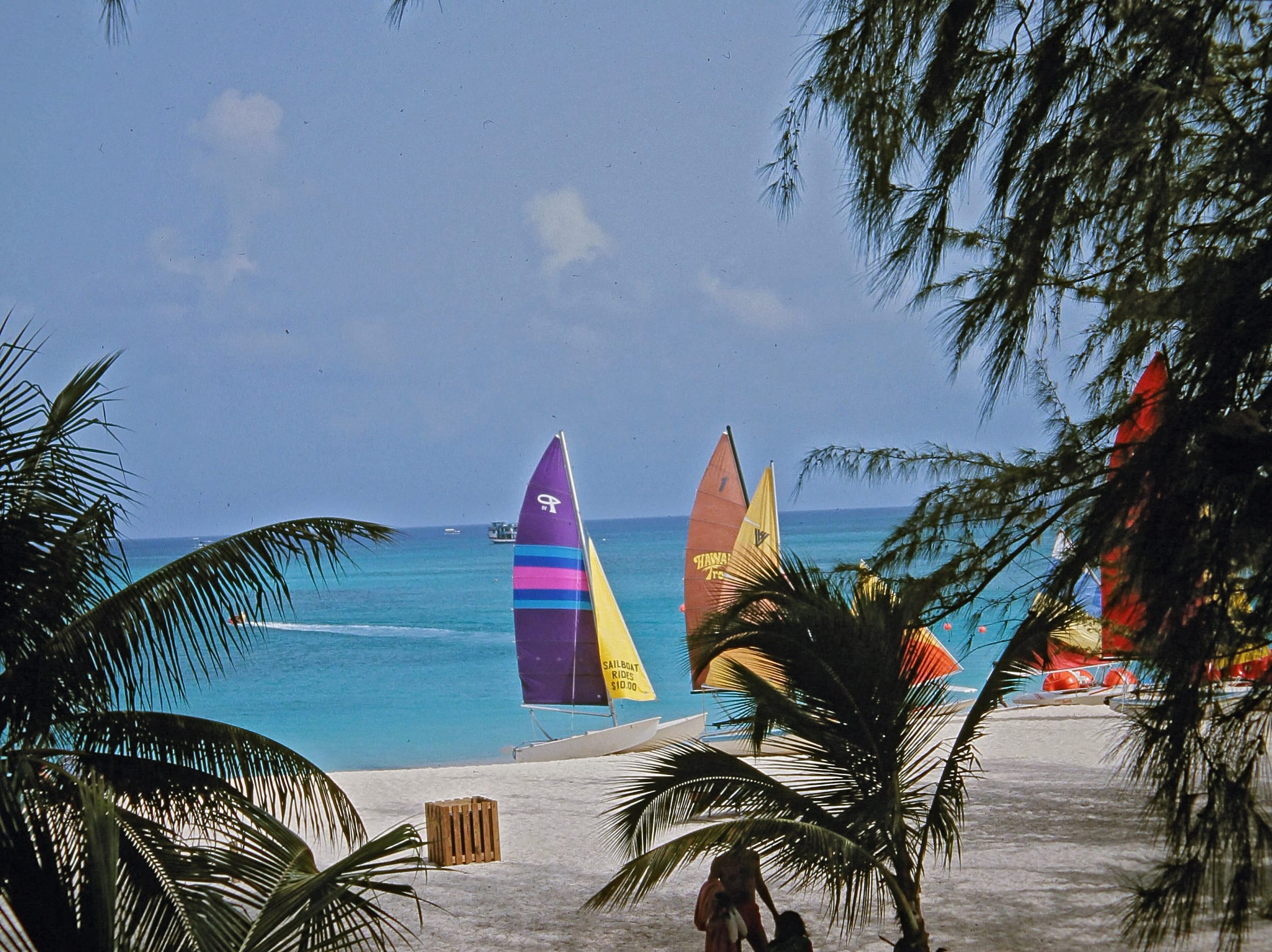
Three Islands, One Polished Caribbean Address
The Cayman Islands are a British Overseas Territory in the western Caribbean, made up of Grand Cayman, Cayman Brac and Little Cayman, known for Seven Mile Beach, diving and a polished, easy-going island style. George Town on Grand Cayman is the capital, and the population is roughly 70,000, most of it on Grand Cayman. Christopher Columbus sighted the islands in 1503 and named them Las Tortugas for the turtles, and the modern name comes from the Carib word for crocodile. The islands have been British since the seventeenth century.
Grand Cayman is the largest and busiest of the three, with a long, white-sand western shore, a lively restaurant scene and the marina and town centre of Camana Bay. Cayman Brac has a dramatic limestone bluff rising about 43 metres above the sea, a rare high point in the region, and Little Cayman is small, quiet and wild. Beyond Cayman, Jamaica and the Bahamas are natural onward stops, and the three-island structure suits visitors who like to combine a lively base with a quiet retreat.
Seven Mile Beach, Stingray City and Bloody Bay Wall
Seven Mile Beach is the best-known stretch, a broad curve of soft, pale sand along Grand Cayman's west coast, with resorts, beach bars and water sports. Stingray City, a shallow sandbar in the North Sound, lets visitors stand among gentle southern stingrays, one of the Caribbean's best-loved wildlife encounters. The wider reef system includes wall dives and wrecks, and Little Cayman's Bloody Bay Wall Marine Park has a dramatic vertical drop that makes it a celebrated name among divers worldwide, with its own flavour of coral life.
On land, the Queen Elizabeth II Botanic Park is home to the endangered blue iguana, and the Mastic Trail leads through old-growth woodland. Pedro St James, a restored 1780s great house, is known as the birthplace of democracy in the Cayman Islands. Cayman's food scene is among the Caribbean's best, with fresh local fish, conch and inventive modern menus. A hotel group can tell a story that mixes active wildlife days with polished dining and serene beach afternoons.
Pirates Week, Seasons and Getting There
The dry season from December to April is the most popular, with bright days and reliable sea conditions, while summer offers warm water, excellent diving visibility and lower rates. The island calendar includes Batabano, the May carnival, and Pirates Week in November, when street parades, mock raids and fireworks fill George Town and the districts. Diving and fishing continue year-round, and the three-island layout gives visitors many choices: lively west-coast stays, quiet east-end villages or the calm of the sister islands.
Owen Roberts International Airport on Grand Cayman is the main gateway, with direct flights from the United States, Canada and the United Kingdom operating on selected routes, and inter-island flights serve Cayman Brac and Little Cayman. The territory fits neatly into a wider Caribbean circuit, and travellers can add Turks and Caicos for a second island. On TheCaymanIslands.co.uk, boards and airlines can combine diving, dining and beaches into one memorable island story.
Where to Stay Across Grand Cayman and Beyond
Grand Cayman has several distinct bases. Seven Mile Beach is the heart of the resort scene, with beachfront hotels, boutique properties and condominium suites that give families kitchens and space, and restaurants along the strip. Camana Bay, a short walk from the beach, adds a pedestrian town centre with cinemas, shops and waterfront dining, which is perfect for couples and groups. George Town has city hotels close to the museum, galleries and cruise port, and the West Bay district has villas and apartments beside quiet beaches popular with long-stay visitors.
East of George Town, the north and east of the island have a quieter, more local mood. Cayman Kai and North Side offer villas, small inns and beach cottages beside calm water, which suit divers, kayakers and travellers seeking space away from the main strip. Cayman Brac has dive lodges and simple hotels beneath the bluff, and Little Cayman has tiny, relaxed resorts that put divers and birdwatchers within a few steps of world-famous reef. Private villas with pools suit large parties, and the island's reputation for service means a boutique stay and a polished resort stay are equally comfortable.
Heavy Cake, Fish Rundown and Cayman Culture
Cayman's food scene is among the most inventive in the Caribbean, but its home cooking is worth finding too. Fish rundown, a stew cooked in coconut milk, conch stew and fried plantain sit alongside heavy cake, a dense dessert of cassava, coconut and spice that has been a Christmas tradition for generations. Lionfish, now served by chefs as a sustainable local delicacy, and fresh mahi-mahi and snapper feature on many menus. Camana Bay's farmers' market sells island honey, fruit and baked goods, and an international culinary festival each January brings guest chefs to the island.
Culture is closely linked to the sea. The Cayman National Museum in George Town explores seafaring, turtling and thatch-rope making, and the National Gallery shows contemporary Caymanian art. Craft stalls sell thatch baskets, wood carvings and local art, and the Cayman Islands International Film Festival brings screenings in early summer. Batabano in spring and Pirates Week in November are the big community celebrations, while winter is the main season for sunshine, sport and dining out. Calm summer seas, long evenings and lower rates make that season a favourite for divers and families.
Wrecks, Caves and Night Kayaks on the North Sound
Active travellers have a great deal to choose from. The USS Kittiwake, a former United States Navy rescue ship sunk as an artificial reef off Seven Mile Beach, is a popular dive, and the wall at Bloody Bay on Little Cayman is world renowned. Snorkellers enjoy Stingray City's sandbar and the reefs of Eden Rock, kayakers paddle through the North Sound's mangroves, and after dark, glowing bioluminescent water makes a night kayak tour memorable. On land, the Cayman Crystal Caves reveal stalactites and quiet pools, and the Mastic Trail is a favourite for walkers and birdwatchers.
Day trips in the Cayman Islands add depth. A short flight reaches Cayman Brac, where caves and climbing routes line the bluff, and Little Cayman has iguanas, birdlife and quiet shores. Beyond the territory, Jamaica, Cozumel and Florida are within easy reach for a twin-centre holiday, and Cancun adds Mexican culture. An airline connecting Grand Cayman to the Sister Islands could promote a three-island itinerary: polished days on Seven Mile Beach, adventurous days on the Brac and a quiet finish on Little Cayman, all within a single compact territory.
Planning your stay
Grand Cayman holds almost everything a visitor needs: Seven Mile Beach with its line of hotels and condominiums, the capital George Town, a strong restaurant scene and the boat trips to Stingray City, a sandbar where wild stingrays gather in shallow water. It suits couples, families and anyone who wants a high standard of service and easy logistics.
Cayman Brac and Little Cayman lie to the north east, reached by a short scheduled flight. They are quiet, low-rise and built around diving, birdwatching and fishing, with a handful of small hotels and almost no nightlife. Most travellers spend the bulk of a stay on Grand Cayman and add a night or two on a sister island if they want to get away from people.
When to go
December to April is the dry, warm and busiest period, with the highest hotel rates around Christmas, New Year and the February half term. From May the islands turn hotter and more humid and rates ease. Hurricane season officially covers June to November and storms most often threaten Grand Cayman in late summer, so choose changeable fares and a policy that names storm cover if you travel in autumn.
Divers travel year round, and the calm months of spring and early summer often give the best visibility. If you want good weather without peak prices, late April and May are a useful compromise.
Entry rules for UK visitors
According to the Foreign, Commonwealth and Development Office, your passport must be valid for the duration of your stay, and you can visit for up to six months without a visa for tourism or business. After six months you can apply for an extension, considered case by case.
It is not usually possible to apply for a work permit while you are in the territory as a visitor, and you must declare goods that may be prohibited or subject to duty.
Where to stay and how to get around
Seven Mile Beach is the premium address, with large resorts, villas and condominiums within walking distance of restaurants. The quieter East End and North Side suit travellers who want a more local feel, and there is a good range of villas for groups. Cars drive on the left, as in the UK, and hire cars are widely available, though taxis and organised excursions are common.
The islands are expensive, and the Cayman Islands dollar is pegged above the US dollar, so check prices carefully when comparing. Eating out is a large part of a budget, and a half board plan can save money on the quieter islands where choice is limited.
Before you travel
Entry requirements and official travel guidance are updated regularly, so check the latest position with your government before booking. The sources we used are listed at the foot of this page.
Combining the Cayman Islands with the region
Grand Cayman sits south of Cuba and west of Jamaica, and the nearest other British territory is Turks and Caicos. The Bahamas is the next archipelago to the north east, and our Caribbean guide covers the wider region.
For hotels, airlines and tourist boards, a premium territory sells on trust and detail. A name like TheCaymanIslands.co.uk lets a tourist board or hotel group publish verified information that an AI concierge can quote. Browse every destination guide to compare how the options differ.
Questions travellers ask about Cayman Islands
What is the best time to visit the Cayman Islands?
Winter, from December to April, gives Seven Mile Beach its sunniest and most expensive weeks. Late April and May are a useful compromise, and the hurricane season from June to November favours flexible bookings.
Which Cayman island is best for a first trip?
Grand Cayman, because it has the beaches, restaurants, hotels and most flights. Cayman Brac and Little Cayman suit divers and travellers who want quiet, and are usually added as a short extension.
What are the Cayman Islands best known for?
The Cayman Islands are best known for Seven Mile Beach, Stingray City, world-class diving including Bloody Bay Wall on Little Cayman, a strong restaurant scene and a polished yet relaxed island atmosphere across three islands.
When is the best time to visit the Cayman Islands?
December to April is the driest and most popular period. Summer offers warm water and good diving visibility, while November's Pirates Week and May's Batabano carnival add colourful cultural events to the calendar.
Where should families stay in the Cayman Islands?
Seven Mile Beach suits families best, with condominium suites that offer kitchens and space, plus gentle water and restaurants along the strip. Camana Bay is a walkable alternative with shops, cinemas and waterfront dining.
What food should I try in the Cayman Islands?
Try fish rundown, conch stew, heavy cake and fresh mahi-mahi or snapper, with lionfish on many chefs' menus. Camana Bay's farmers' market and a January culinary festival add more ways to taste the island.
In the Visit Travel Group portfolio: TheCaymanIslands.co.uk.