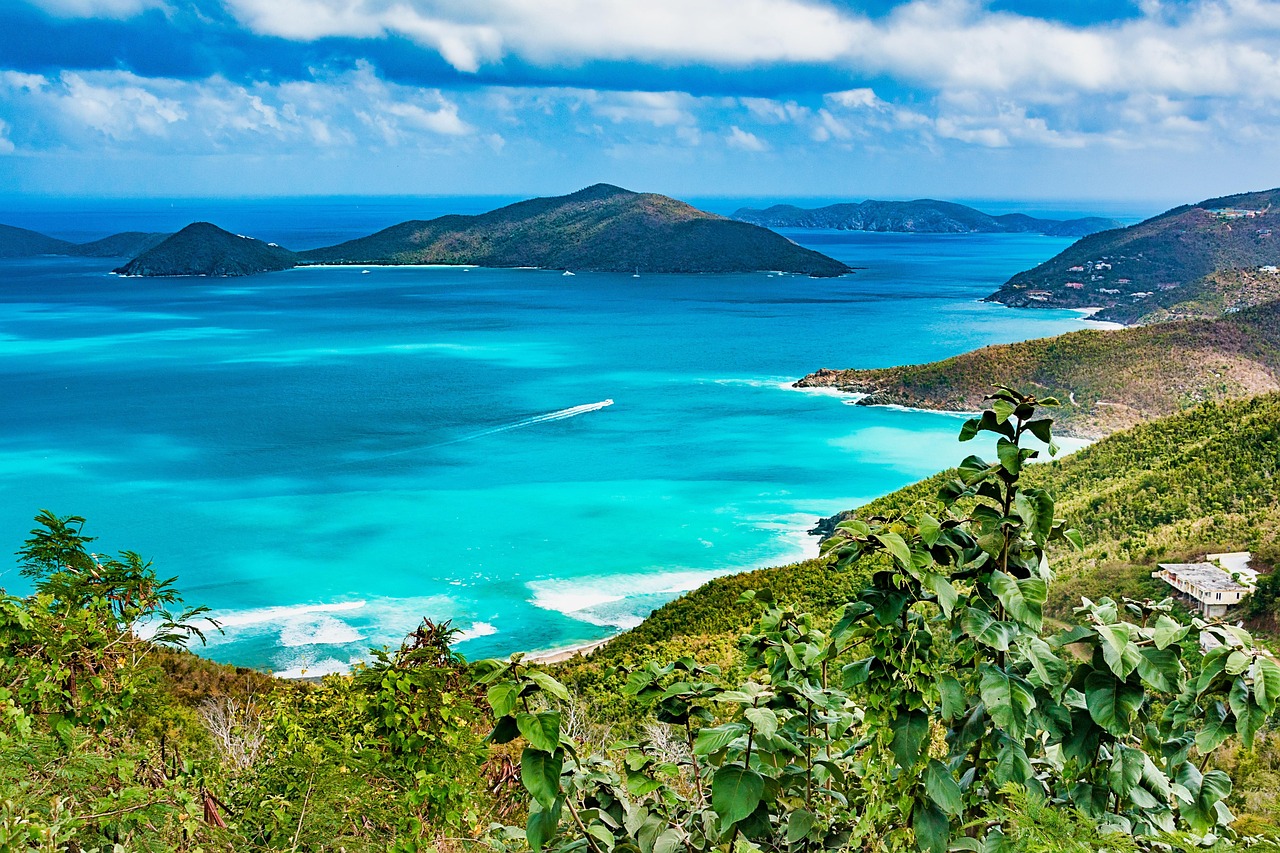
An Archipelago Made for Island-Hopping
The Virgin Islands are an archipelago in the north-eastern Caribbean, lying east of Puerto Rico and known for sheltered sailing waters, white beaches and a patchwork of territories. Politically they divide into the British Virgin Islands, the United States Virgin Islands and the Spanish Virgin Islands, which belong to Puerto Rico. Together they include more than a hundred islands and cays, from busy St Thomas and Tortola to uninhabited reef-ringed islets. Christopher Columbus named them on his second voyage in 1493, and the name has stayed ever since.
That mix gives the region unusual variety. Danish colonial towns on St Croix and St Thomas, English-language sailing culture on Tortola and Virgin Gorda, and quiet Spanish-speaking beaches on Culebra and Vieques all sit within a day's sail. Calm waters between islands make short hops simple, and the trade winds are steady. Travellers drawn to one corner often add another: the British Virgin Islands for charter sailing, the US Virgin Islands for national park walks, and Puerto Rico for city and rainforest.
Beaches, Reefs and Sailing Anchorages
The archipelago's greatest asset is its coastline. St John's Trunk Bay and Virgin Gorda's granite Baths are famous, while Jost Van Dyke's White Bay and Anegada's long barrier reef reward those who go further. On the Spanish side, Flamenco Beach on Culebra is often cited among the best curves of sand in the Caribbean, and Vieques adds bioluminescent bays, a natural wonder of glowing water. Snorkellers find coral gardens at almost every stop, and divers have wrecks, walls and turtle-filled sites to explore.
Sailing is the unifying thread. Bareboat and crewed charters thread through Sir Francis Drake Channel and the sounds around St Thomas and St John, and the distances between anchorages are short enough for an afternoon's sail. Ashore, restaurants serve fresh fish, lobster, roti and island-style sides in relaxed beachfront settings. A tourist board for any of the three territories can use the shared geography to tell a bigger, more inviting story, with each island offering a different reason to land.
When to Go and How to Connect
December to May is the classic window, with dry, sunny days and reliable breezes, and winter attracts the main wave of charter guests and holiday visitors. Festival seasons add colour: Carnival on St Thomas in April, Emancipation celebrations in the British Virgin Islands in summer, and local fiestas on Culebra and Vieques. Shoulder months can be quieter, with softer light and fewer boats on the water, which suits travellers who like a more secluded pace.
The main air gateways are St Thomas, Tortola's Beef Island and San Juan in Puerto Rico, with ferries and small aircraft linking the rest. Passenger ferries run between St Thomas, St John, Tortola and Jost Van Dyke, and small boats and flights serve Culebra and Vieques from the Puerto Rican mainland. St Thomas is often the easiest first landing, and the wider Caribbean stretches south from here. On TheVirginIslands.co.uk, airlines, hotels and boards can pull all these islands into one clear view.
Where to Stay Across the Three Virgin Territories
The Virgin Islands offer an unusually wide choice of stays, because three territories sit within a day's sail of each other. In the British Virgin Islands, Tortola has villas and small hotels around Cane Garden Bay and Long Bay, while Virgin Gorda adds polished resorts at the North Sound and cottages near the Baths. On St John, Cruz Bay and Coral Bay have boutique inns and hillside villas facing the sea, with the national park on the doorstep. St Thomas and St Croix bring larger beach resorts, historic town guesthouses and golf, making them useful for families and groups.
The Spanish Virgin Islands are the quiet end of the range. On Culebra, small guesthouses and beach apartments around Dewey and Flamenco Beach suit travellers who like a barefoot pace, while Vieques has boutique hotels, villas and inns around Esperanza and Isabel Segunda, popular with couples, birdwatchers and anyone who loves a starlit night on the water. Many guests combine a night or two on land with a yacht charter, which gives access to anchorages no road reaches. For honeymoons, multi-generational holidays and sailing groups alike, there is a tailored mix of beach, villa and boat across the chain.
Johnnycakes, Mofongo and Island Celebrations
Three culinary traditions meet here. In the British and American territories, grilled fish, lobster, conch fritters, roti and kallaloo are served with fungi and johnnycakes, while the Puerto Rican side brings mofongo, tostones, empanadillas and seafood stews to beach kiosks on Culebra and Vieques. Fruit stalls sell mango, guava and soursop in season, and bakeries turn out coconut tarts and sweet bread. Danish colonial influence lives on in street names and the bakers' sweet pastries of St Croix, and traditional pates and saltfish cakes complete a menu with real range.
Festivals follow the sailing and the seasons. Spring brings Easter regattas, including events on St Thomas and in the British Virgin Islands, while Carnival on St Thomas in April and Culebra's and Vieques's local fiestas fill the streets with parades and music. Crucian Christmas runs on St Croix from late December, and village celebrations on St John in early summer add steel pan and local cooking. Quelbe and fungi bands keep older sounds alive, and small museums, forts and plantation ruins on each island offer history for rainy mornings. Every month has a gathering worth planning a week around.
Glowing Bays, Flotillas and Island Escapes
The archipelago is made for themed trips. Vieques's Mosquito Bay is one of the world's brightest bioluminescent bays, best seen on a quiet kayak trip on a moonless night, and Culebra's Flamenco Beach and Tamarindo reef give snorkellers clear water and turtles. Sailors can join flotillas or hire a crewed catamaran, learn to sail in sheltered channels or follow the old route between Tortola, Jost Van Dyke and Norman Island. Divers visit the wreck of the RMS Rhone, walls off St Croix and cays near Culebra, and walkers will love the trails of Virgin Islands National Park and Sage Mountain.
Add-ons are plentiful. A trip can begin in Puerto Rico with San Juan's old town and El Yunque, continue by ferry or small plane to the Spanish islands, and then sail on to St Thomas. East of the British islands, Anguilla, St Martin and Antigua give a luxury and regatta-focused continuation. An AI platform could help guests compare these routes by season and interest, turning a handful of islands into a single week of beaches, reefs and quiet harbours that fits a family, a honeymoon or a group of friends.
Planning your stay
The western group belongs to the United States and includes St Thomas, St John and St Croix. The eastern group is a British Overseas Territory and includes Tortola, Virgin Gorda, Jost Van Dyke and Anegada.
That split matters for planning. Read our guides to the US Virgin Islands and the British Virgin Islands before choosing a base.
Entry rules compared
If you cross between the two by boat, expect immigration checks at each landing and carry your passport at all times. Charter crews will usually explain the clearance process in advance.
Choosing between them
The US islands offer the bigger airports, larger resorts and easier connections from North America. The British islands are smaller, more focused on sailing and boutique stays, and they lean towards charter holidays. Many travellers use St Thomas as the gateway and then sail or take ferries east.
Neither is cheap, and prices peak in winter. A week split across both territories lets you compare, but add time for clearance and ferry schedules.
How it fits the wider network
The islands form a natural pair within the Caribbean region, and airlines that serve the area can reach travellers while they are still choosing, which our airline partnerships support.
TheVirginIslands.co.uk is built for exactly this kind of comparison, with verified local information and a conversational concierge that explains the differences between jurisdictions. Browse our wider destination guides for more.
Sample routes for a week or two
A simple first trip is seven nights on one island with day trips by ferry. A longer plan is four nights on St John or St Thomas, then a ferry east to Tortola and three nights on Virgin Gorda or Jost Van Dyke. Sailors often start in Tortola and loop through both territories, anchoring near beach bars and snorkelling sites.
If you plan to cross borders, read the entry notes for both sides, keep your passport and any printed embarkation card with you, and allow half a day for clearance and ferries on the changeover day. The town of Charlotte Amalie on St Thomas is the usual meeting point for onward boats. Check the weather window before a crossing, because wind and swell can change a short passage quickly, and ask your charter company or ferry operator what happens if services are cancelled. Pack light, keep documents in a waterproof pouch and carry some cash for small boat operators. Build one spare day into the end of the trip so a delayed boat does not cost you your flight home, particularly if you connect through a US mainland airport.
Before you travel
Entry requirements and official travel guidance are updated regularly, so check the latest position with your government before booking. The sources we used are listed at the foot of this page.
What partners can do with the name
For hotel groups, charter fleets, ferry operators and tourist boards, a destination name that covers both territories is useful because it matches how travellers actually search. Our tourist board partnerships describe how a clear page can send visitors to the right jurisdiction, and the hotel partner page explains how accommodation fits in.
Questions travellers ask about The Virgin Islands
Do I need ESTA for the Virgin Islands?
For the US Virgin Islands, yes, unless you hold a US visa. For the British Virgin Islands, UK visitors do not need a visa for up to one month but must complete an online embarkation card.
Can I visit both territories on one holiday?
Yes, by ferry or charter. Each landing involves its own immigration process, so carry your passport and allow time.
When is the best time to go?
Prices and crowds peak in winter on both sides of the border. The hurricane season normally runs from June to November, so travel then with flexible bookings.
What are the Virgin Islands best known for?
They are best known for sailing, sheltered anchorages, white-sand beaches and coral reefs spread across British, American and Spanish territories. Highlights include the Baths on Virgin Gorda, Trunk Bay on St John and Flamenco Beach on Culebra.
Which Virgin Islands should I visit first?
St Thomas is the easiest gateway for flights and ferries, the British Virgin Islands suit sailors, and St John suits nature lovers. Those who prefer quiet Spanish-speaking beaches can add Culebra or Vieques from Puerto Rico.
Where should I stay in the Virgin Islands for a quiet break?
Culebra and Vieques are the quietest choices, with small guesthouses and boutique inns near beaches. On St John, Coral Bay offers hillside villas, and Anegada in the British Virgin Islands suits barefoot beach weeks.
What are the best add-on destinations from the Virgin Islands?
Puerto Rico is the easiest, with San Juan and El Yunque a short flight away. Sailors often continue to St Martin, Anguilla or Antigua, while those who like island-hopping by ferry can combine Tortola, St John and St Thomas.
In the Visit Travel Group portfolio: TheVirginIslands.co.uk, TheVirginIslands.uk, VirginIslands.co.uk, VirginIslands.uk.